Anecdotal fallacy
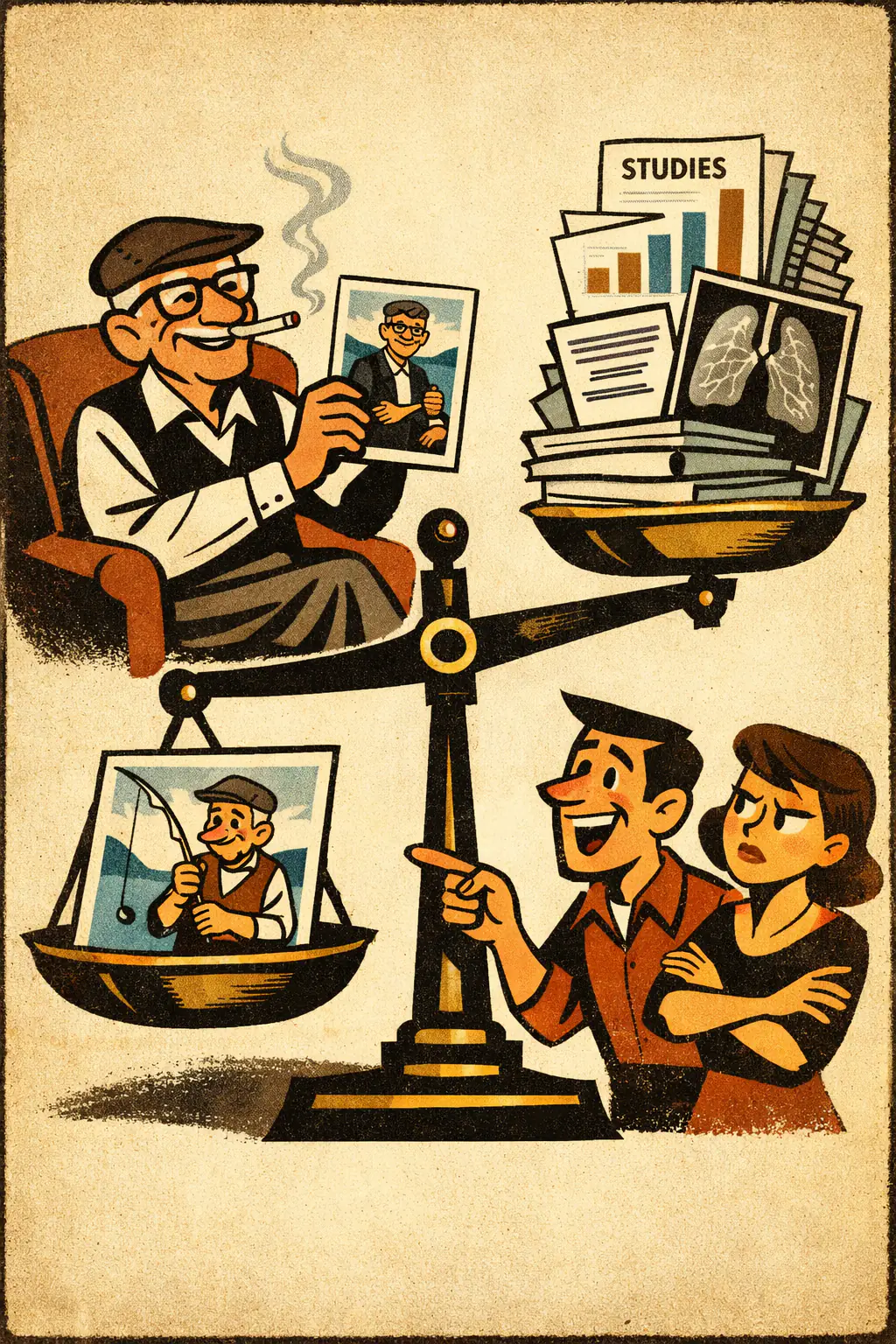
Occurs when a vivid personal story, testimonial, or isolated case is treated as stronger evidence than broader, better, or more representative evidence.
EvidentialPerceptual
Intermediate
Intro college

Logical Fallacies
A practical logical-fallacies reference with clear explanations, usable examples, and teaching tools.
Family
The reasoning misuses rates, probabilities, samples, distributions, or other quantitative expectations.
Occurs when a vivid personal story, testimonial, or isolated case is treated as stronger evidence than broader, better, or more representative evidence.
Occurs when someone assumes that because something could happen, it is therefore likely or inevitable that it will happen.
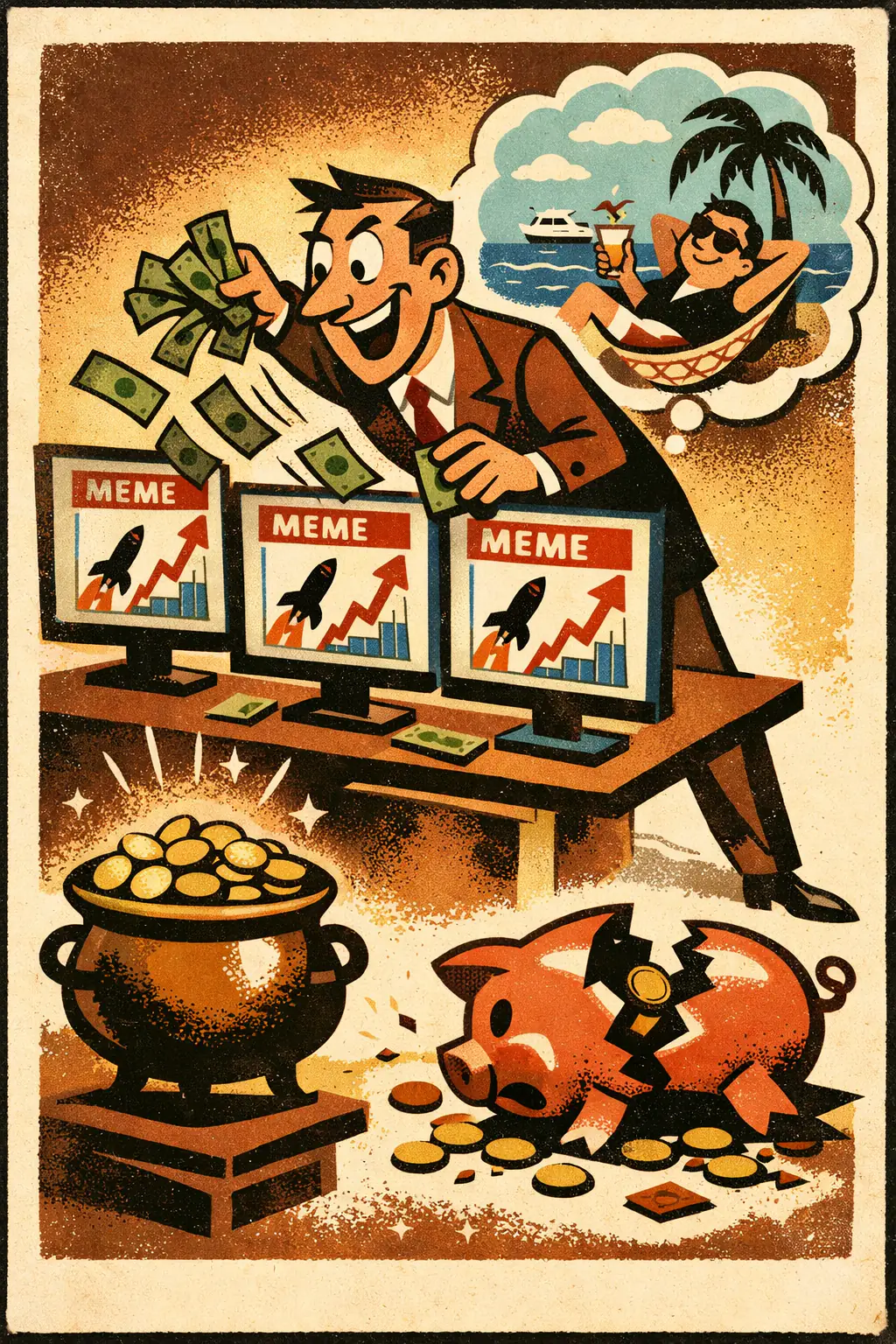
Occurs when someone judges how likely a case is by focusing on vivid case-specific evidence while ignoring the underlying frequency of the thing in question.
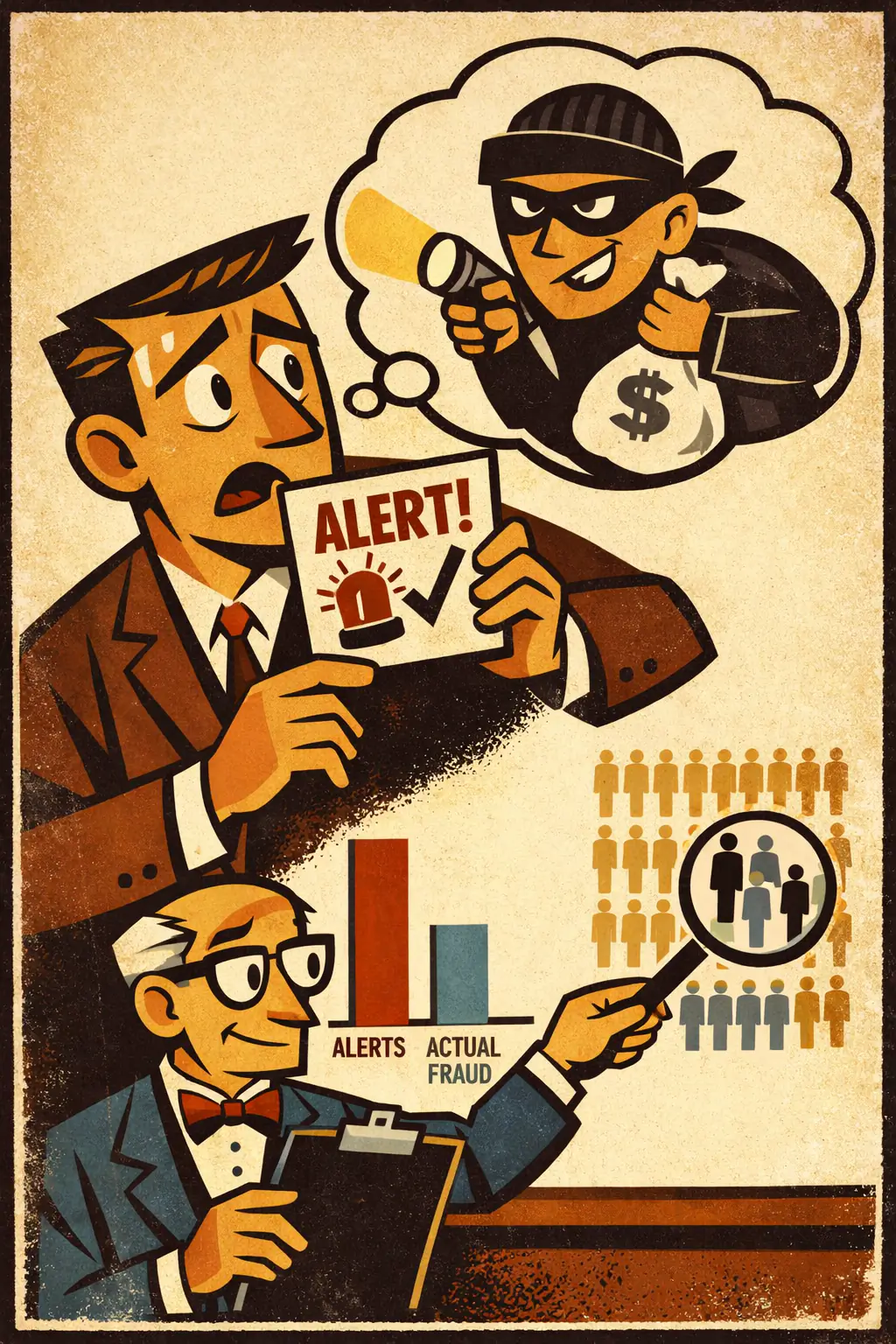
Occurs when a more detailed scenario is treated as more probable than a less detailed scenario that already contains it.

Occurs when statistics about a group are used to draw conclusions about particular individuals in that group.
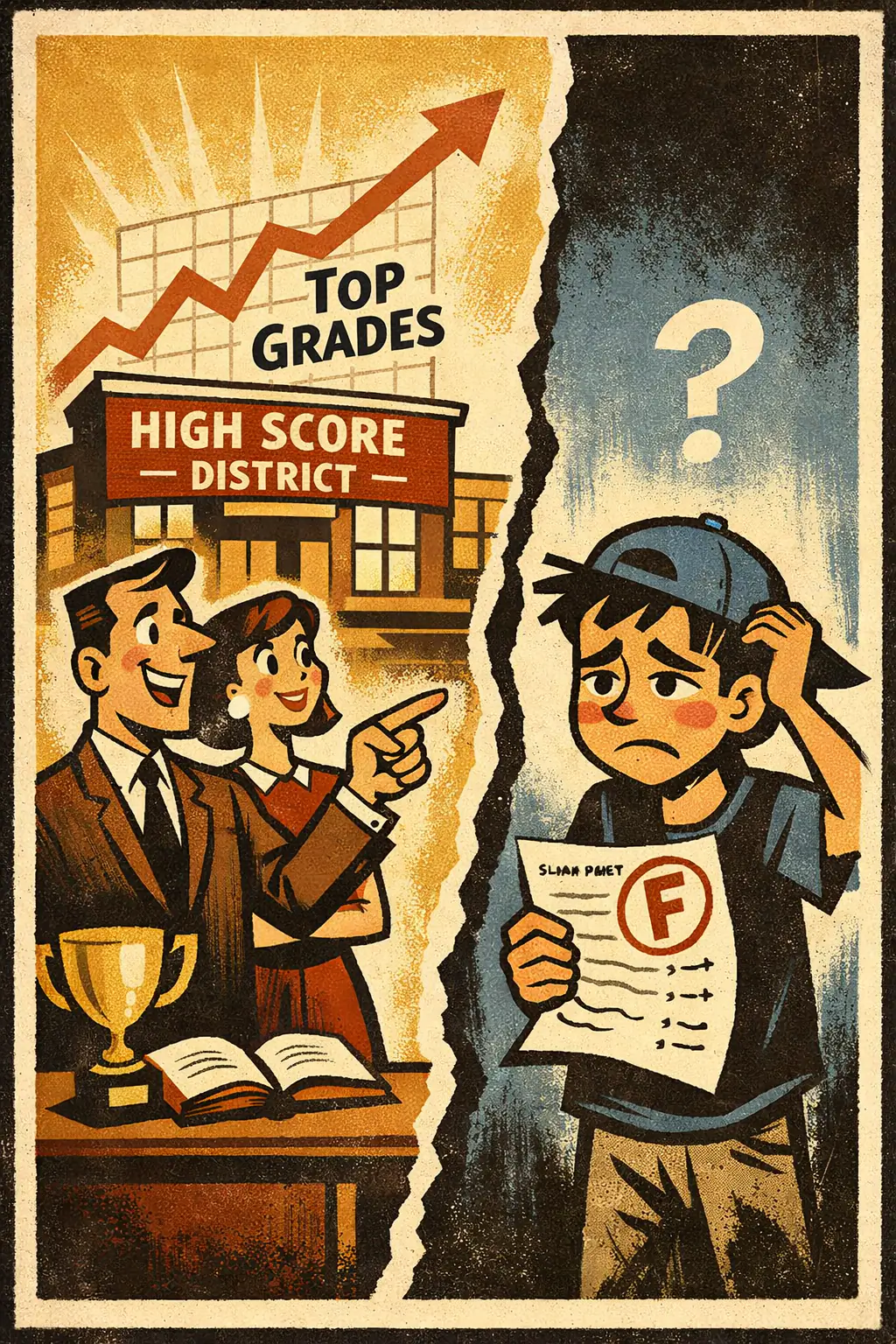
Occurs when someone thinks past outcomes of independent events make a future independent outcome more or less likely than it really is.
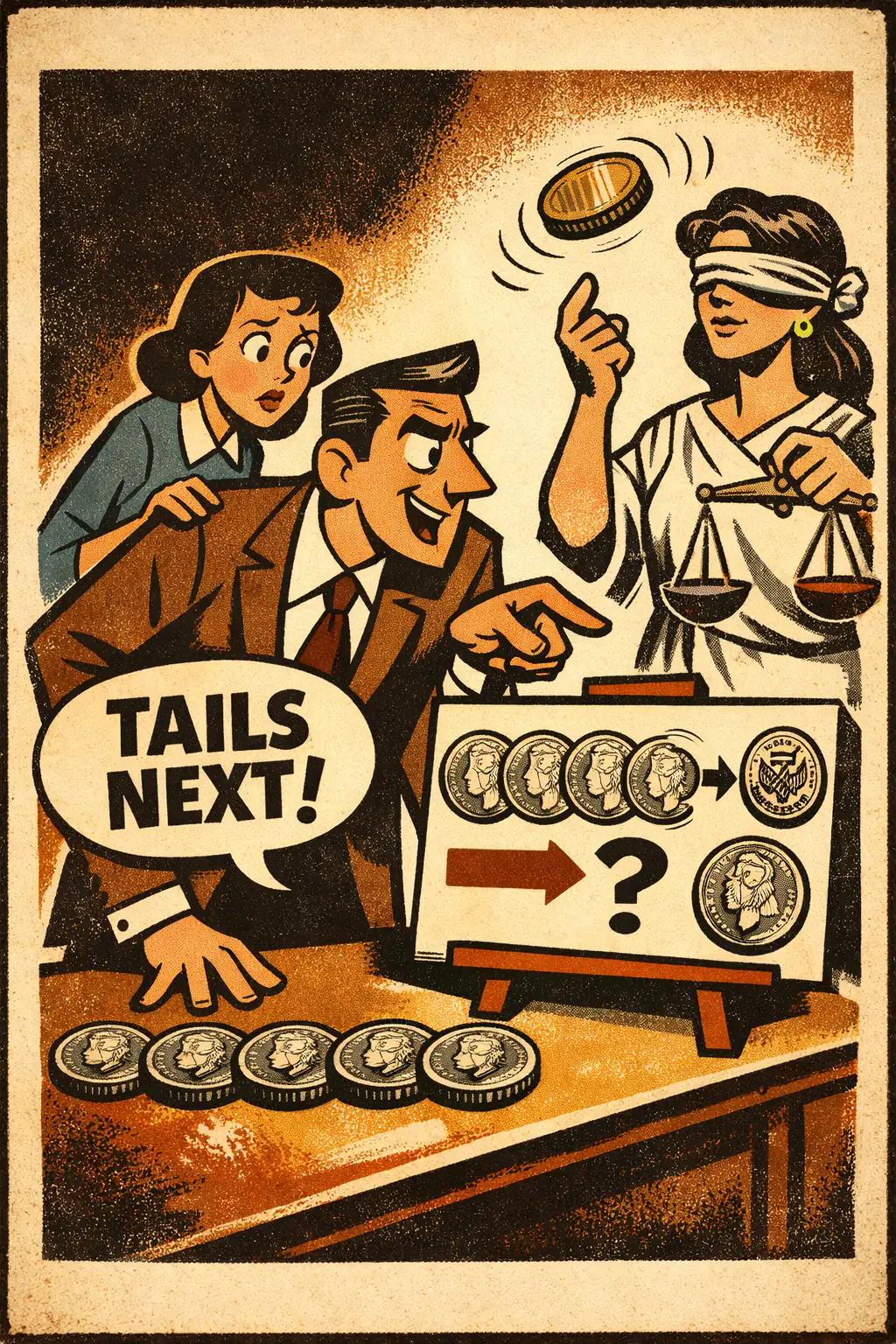
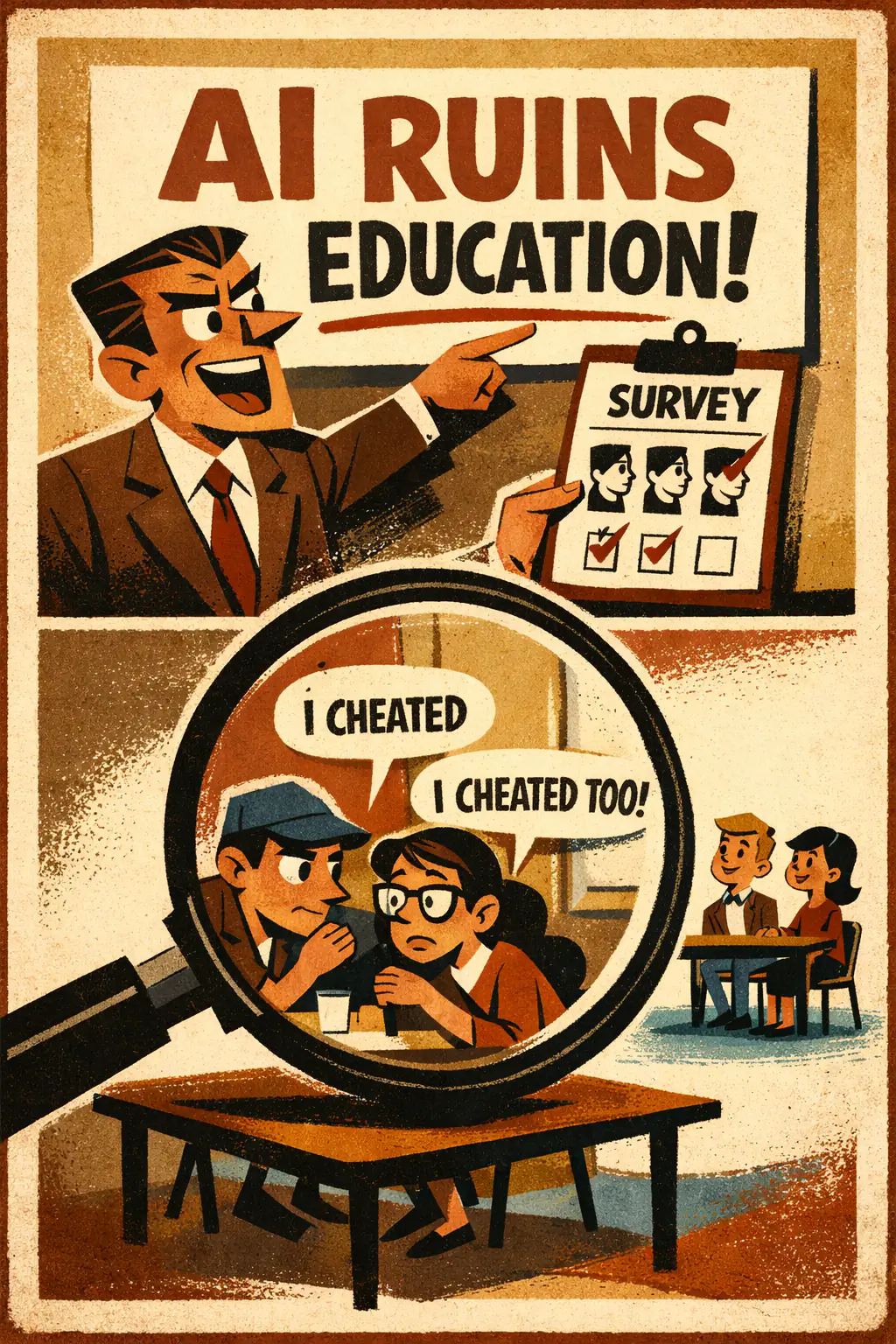
Occurs when someone draws a broad conclusion from too little evidence, too small a sample, or a badly skewed sample.
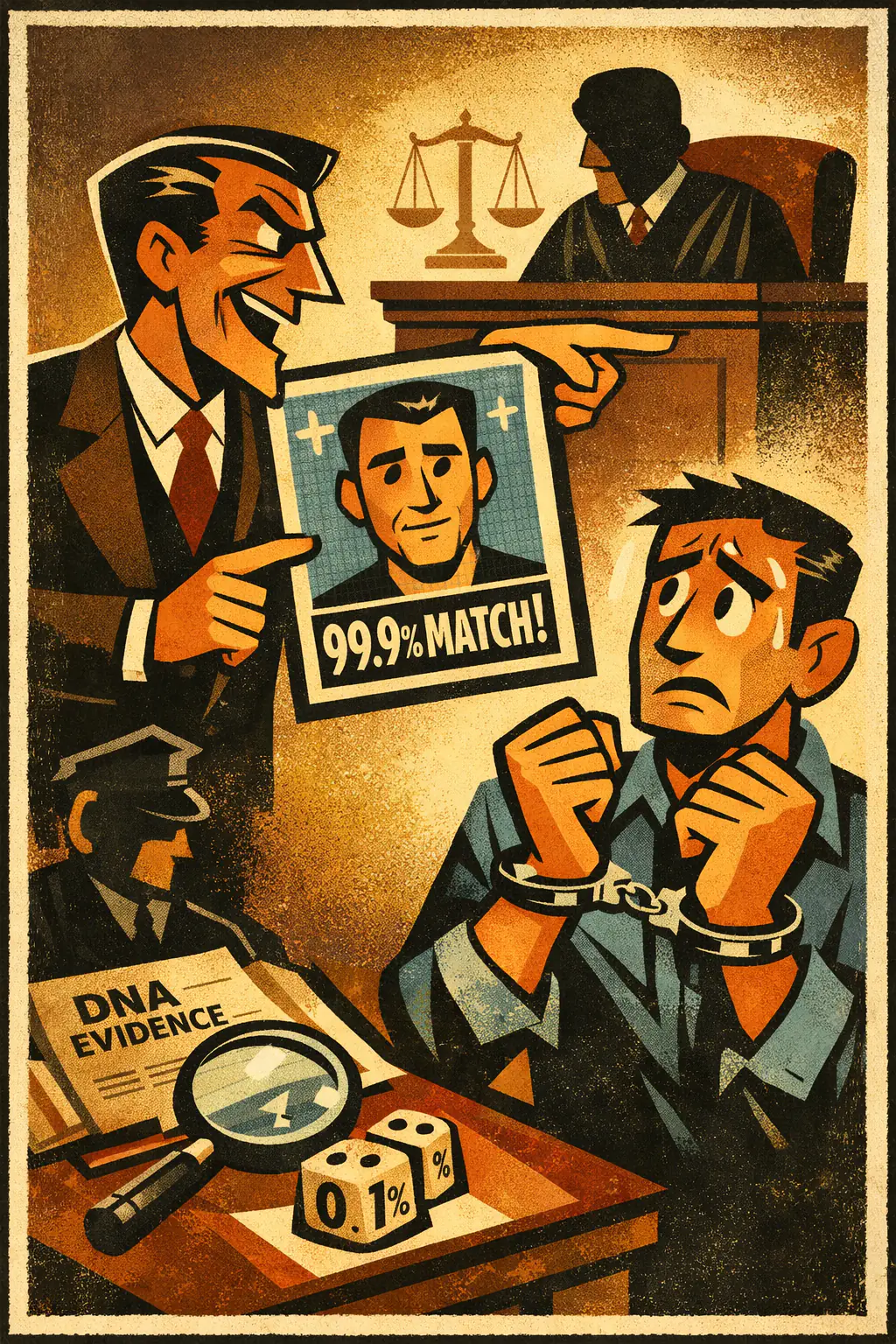
Occurs when a low probability of a false match is confused with a low probability that a matched person is innocent.
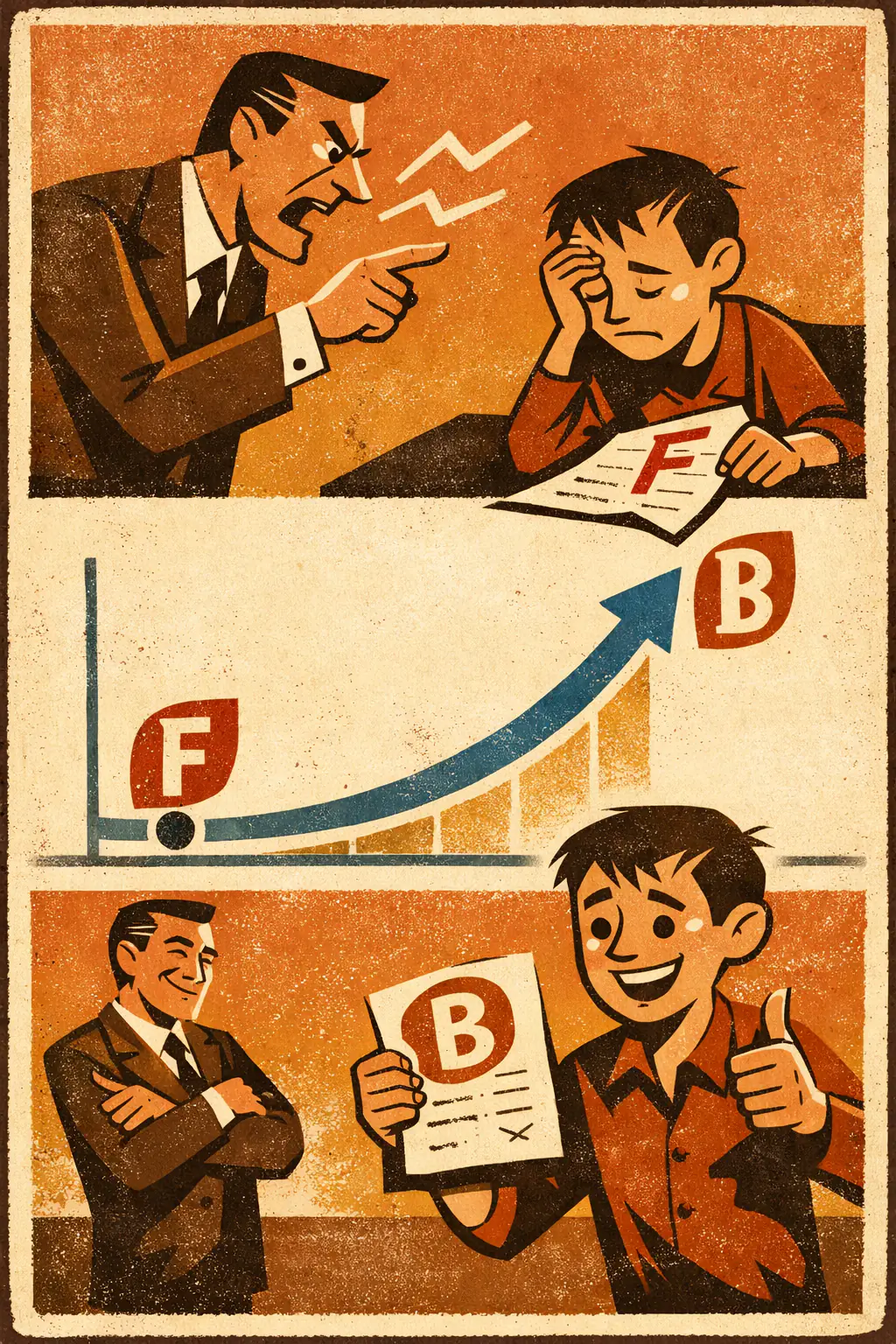
Occurs when movement back toward a normal range after an extreme result is credited to some intervention that may have had little or nothing to do with it.
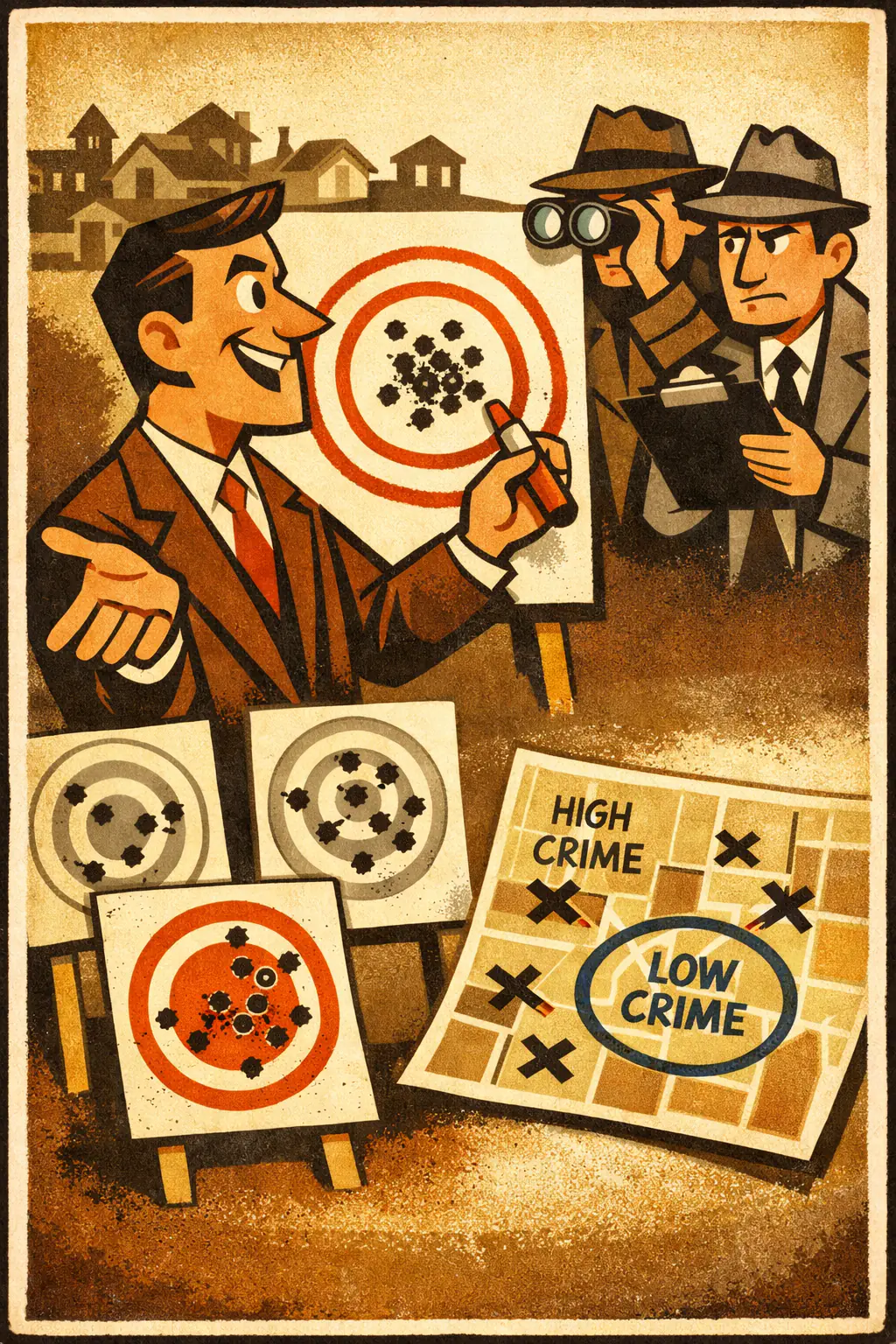
Occurs when someone highlights the data cluster that supports a favored story only after looking at the results, then treats that hand-picked pattern as if it had been th...
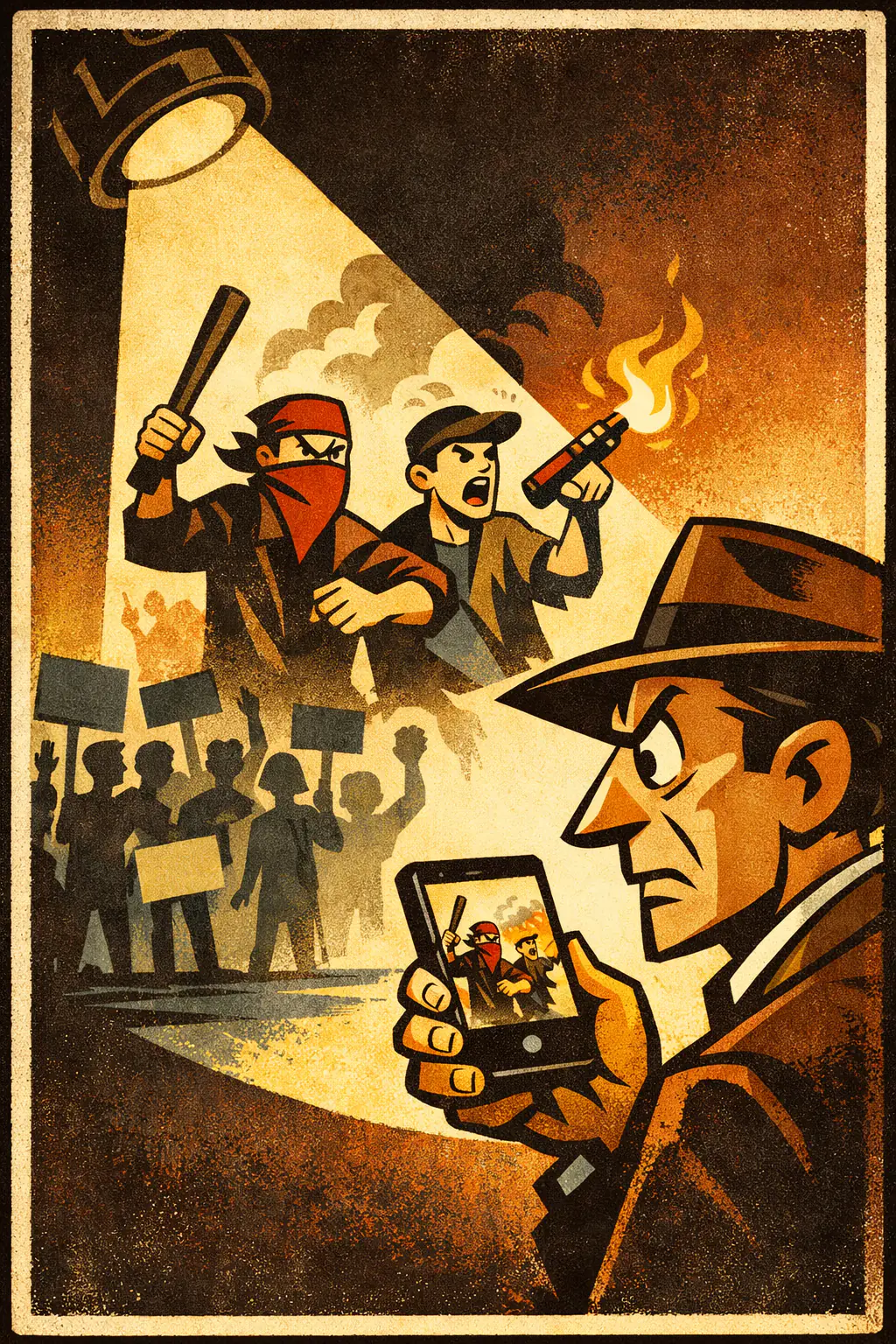
Occurs when the most visible or most covered cases in a category are treated as if they represent the category as a whole.
Occurs when conclusions are drawn from the visible successes that made it through a filter while the failures, dropouts, or non-survivors are ignored.