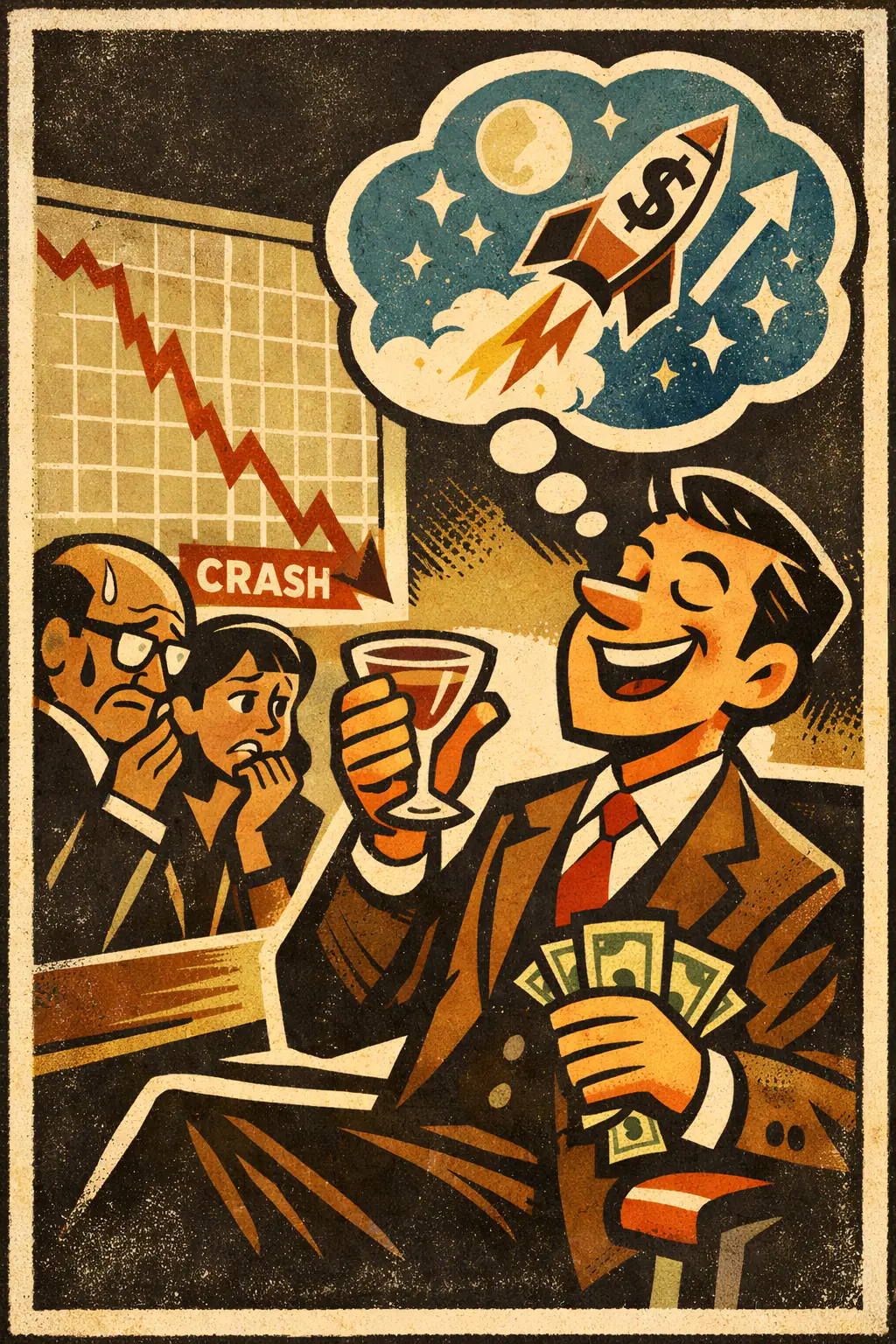
Appeal to accomplishment
Occurs when a claim is treated as true or weighty mainly because the person promoting it has impressive accomplishments in some other domain.
TacticalEvidential
Intermediate
High school

Logical Fallacies
A practical logical-fallacies reference with clear explanations, usable examples, and teaching tools.
Family
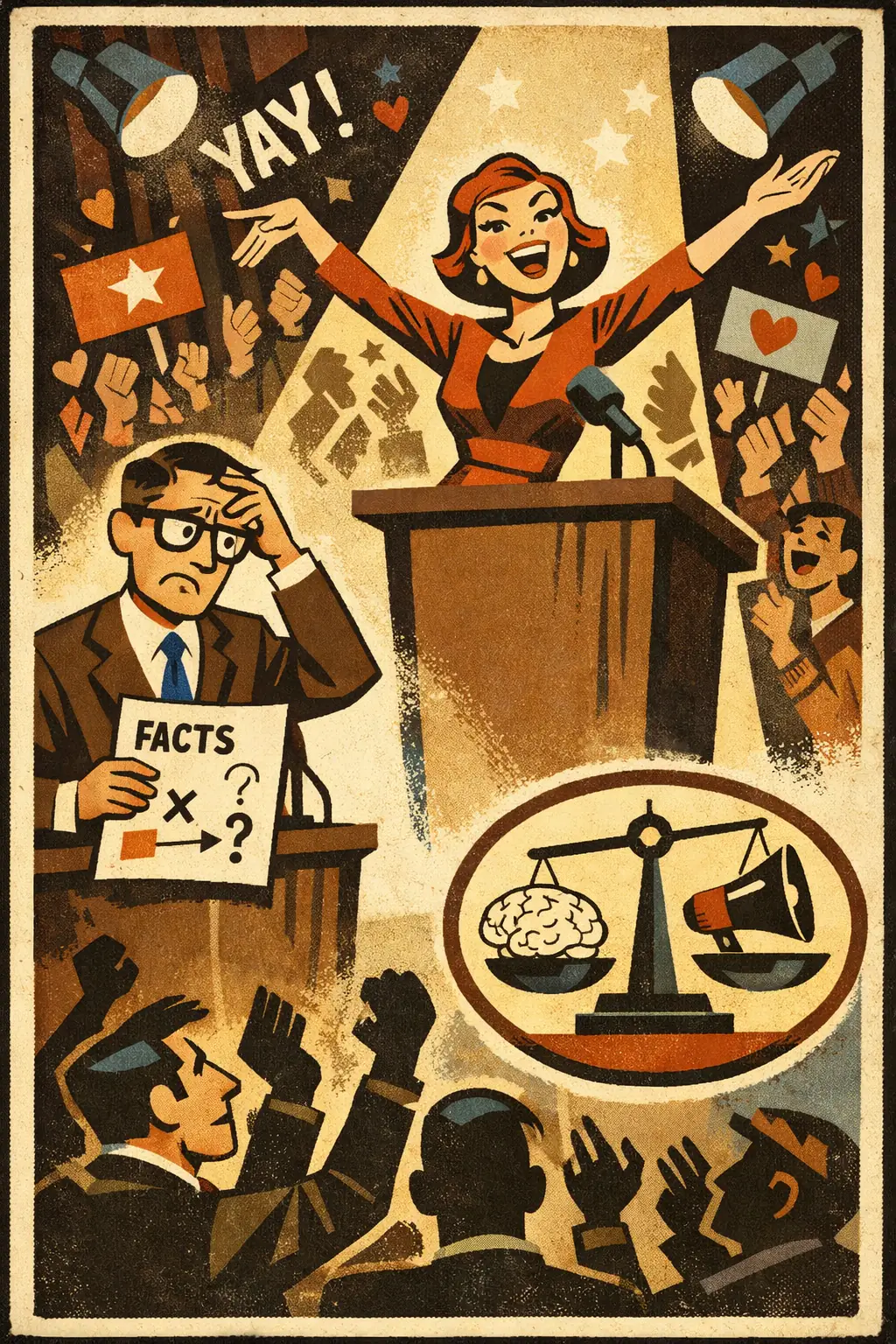
The argument leans on emotional, social, or rhetorical force where evidence or reasoning should do the work.
Occurs when a claim is treated as true or weighty mainly because the person promoting it has impressive accomplishments in some other domain.
Occurs when someone treats an authority's endorsement as if it settled the issue, even when the authority is unqualified, the field is divided, or the claim still require...

Occurs when someone treats the desirability or undesirability of a conclusion as if it were evidence that the conclusion is true or false.
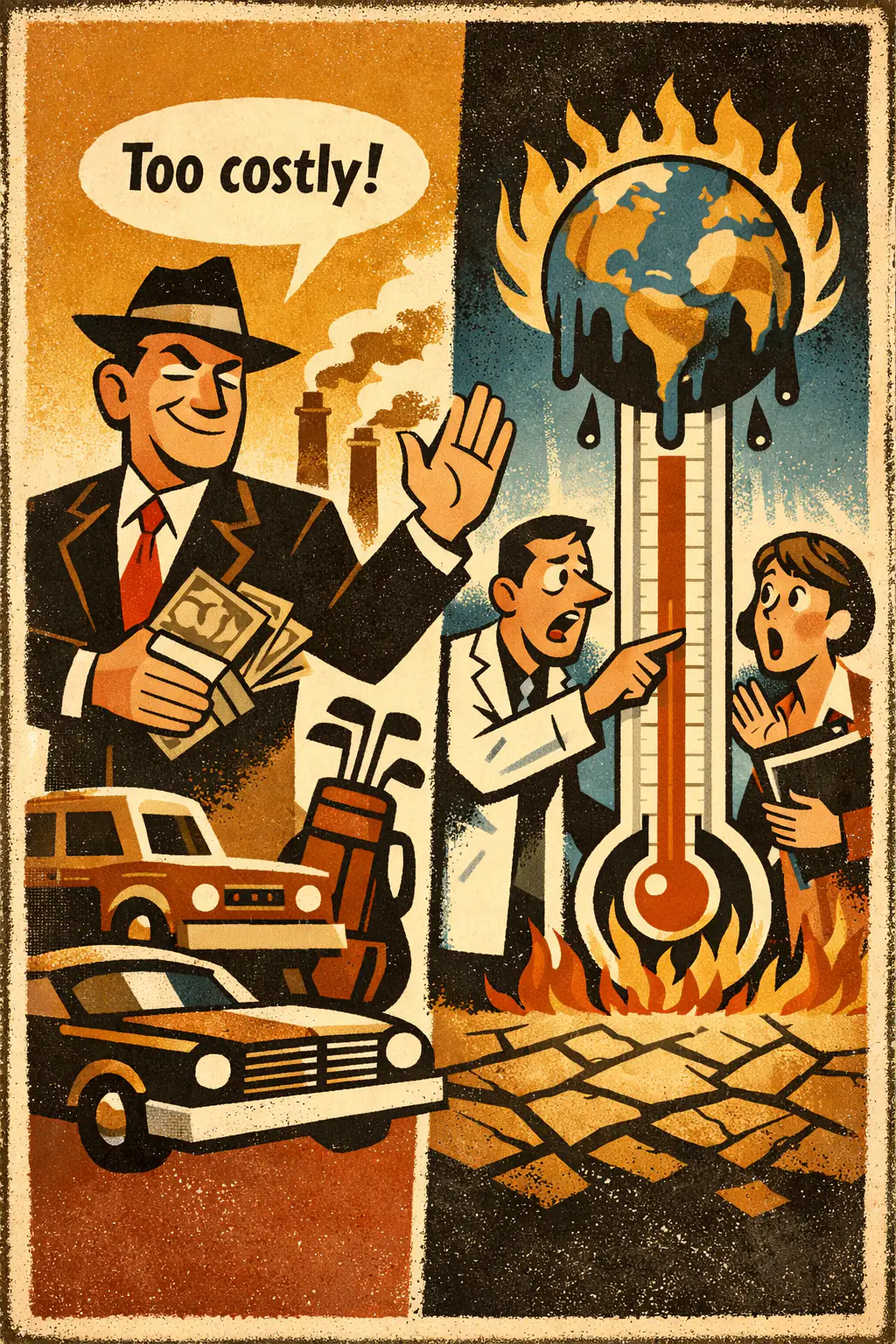
Occurs when a conclusion is pushed mainly by triggering fear, pity, outrage, pride, or hope rather than by showing that the conclusion follows from the evidence.
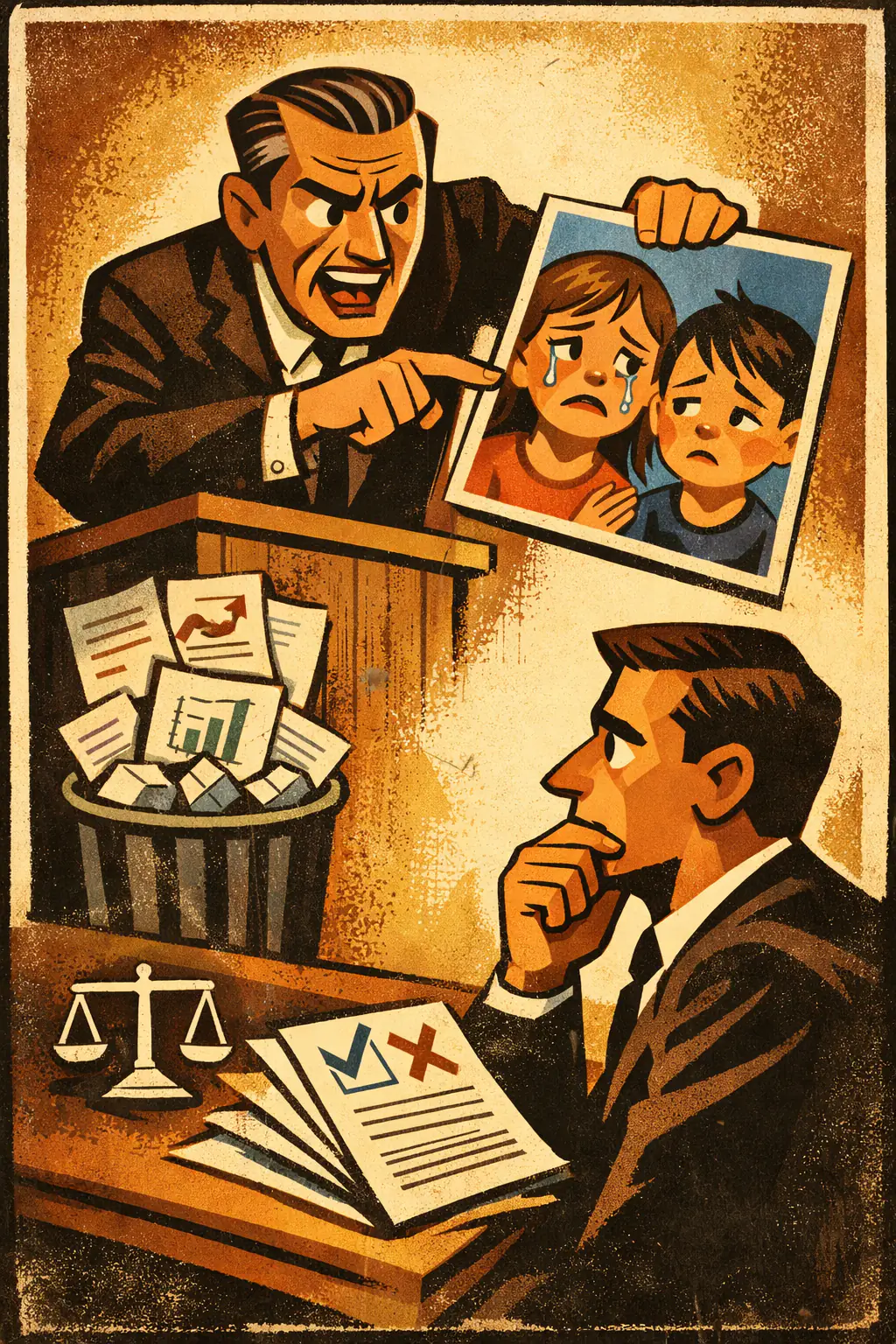
Occurs when someone tries to secure agreement mainly by amplifying danger, threat, or panic rather than by showing that the conclusion is supported.

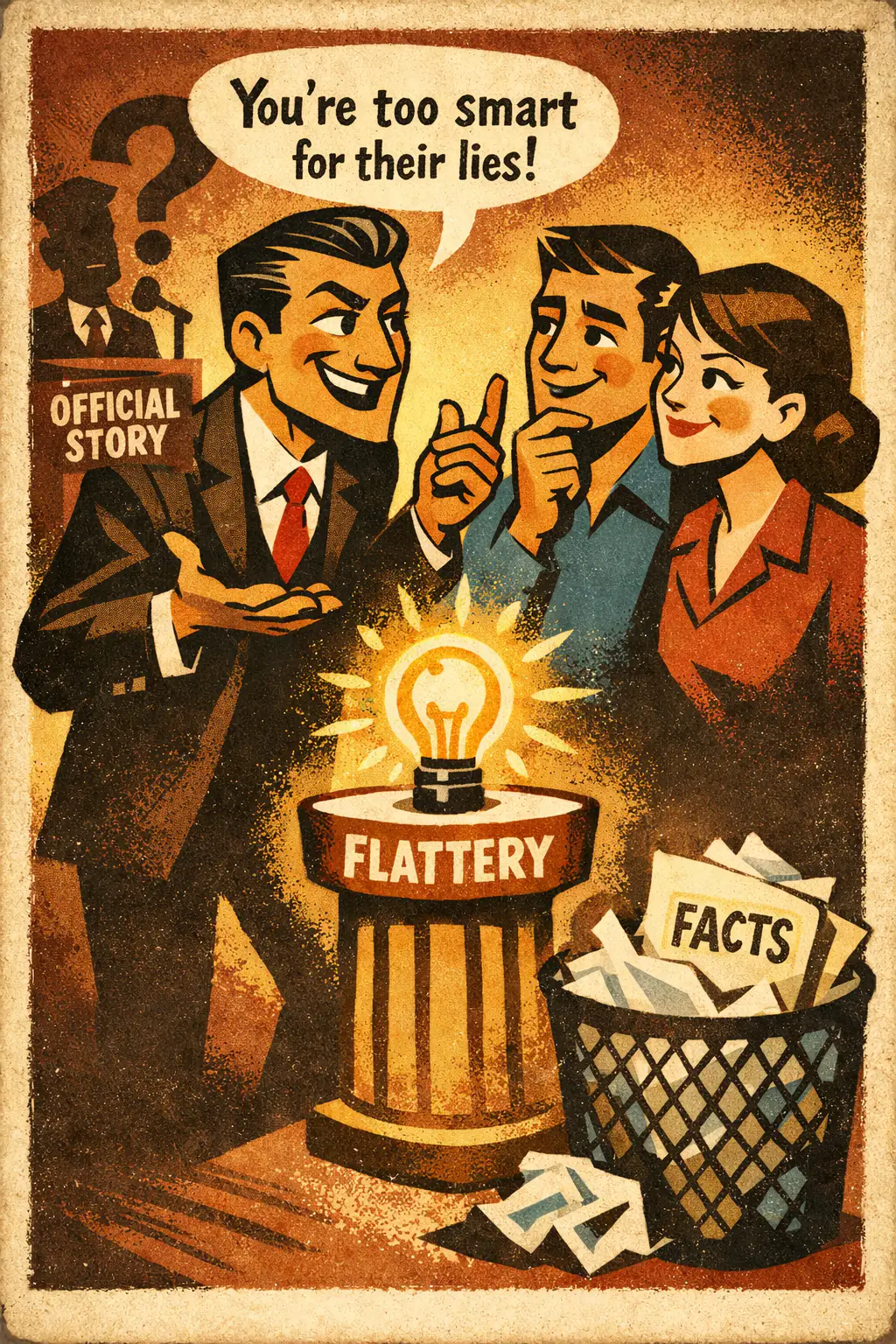
Occurs when someone tries to win agreement by flattering the audience's intelligence, courage, independence, or special insight instead of supplying the missing evidence.
Occurs when something is praised as good, safe, or right merely because it is called natural, or condemned as bad merely because it is called unnatural.

Occurs when something is treated as better mainly because it is new, cutting-edge, or marketed as the future.

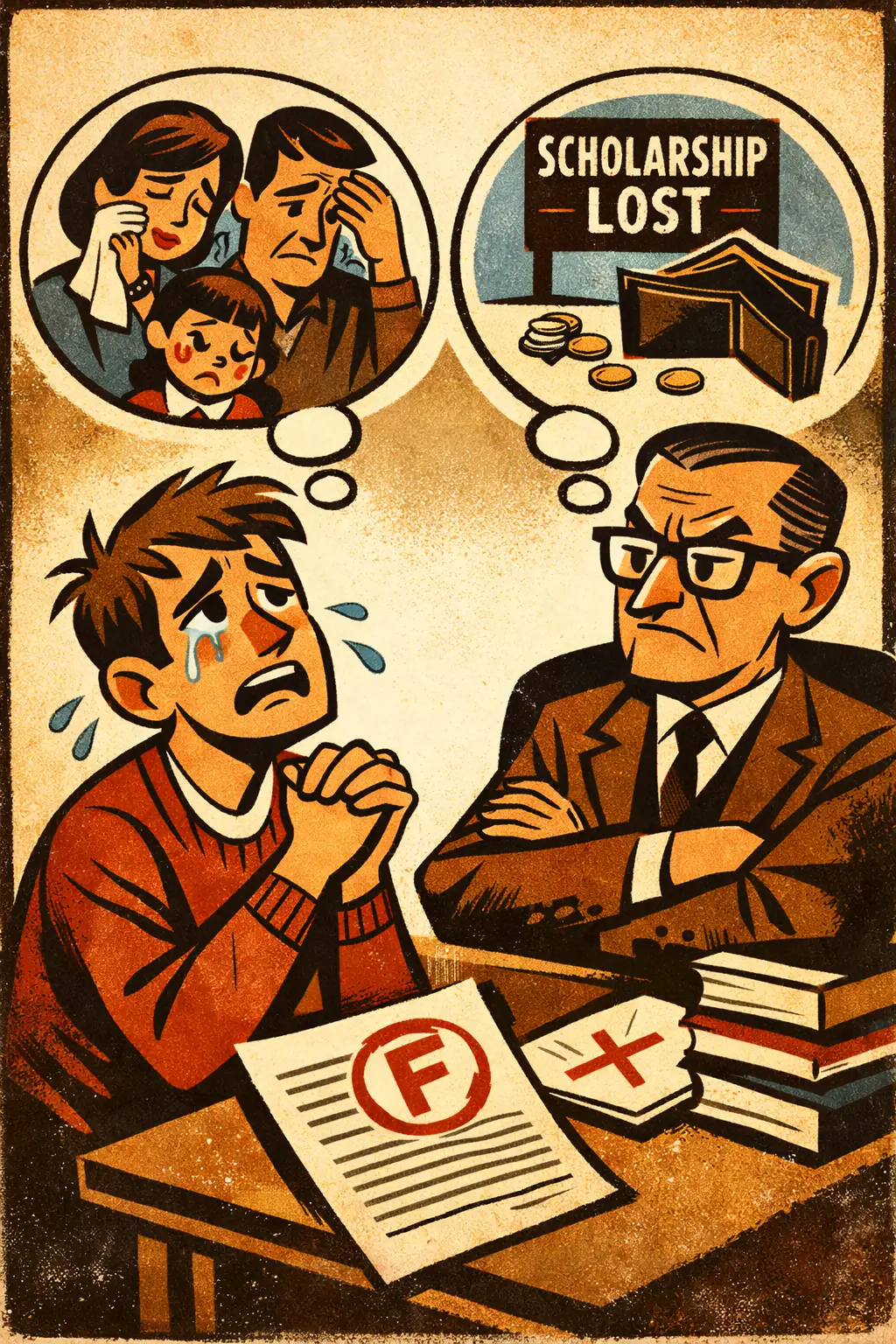
Occurs when sympathy for a person or group is used as if it were evidence that a claim is true or a conclusion follows.
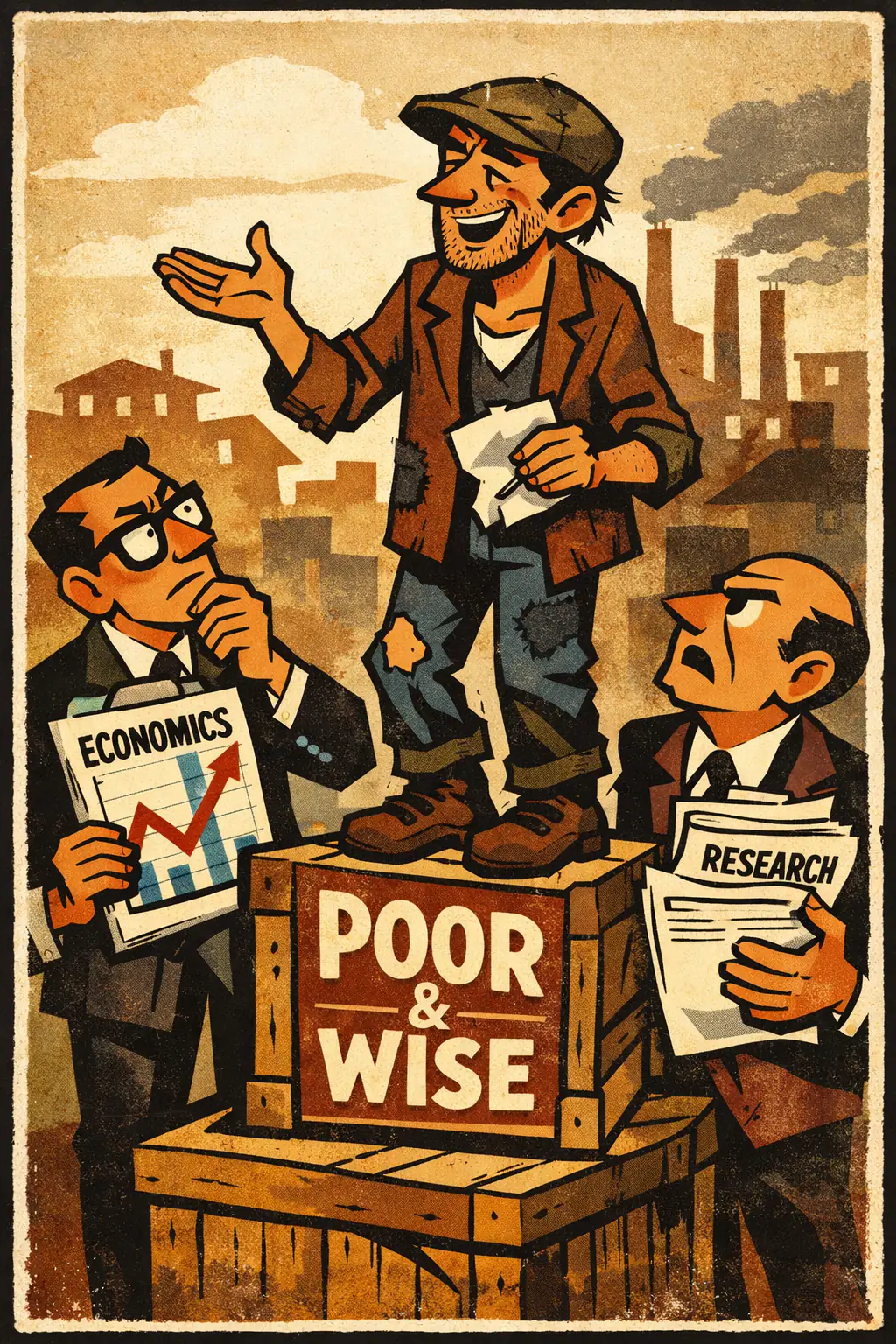
Occurs when a claim is treated as more trustworthy, virtuous, or true mainly because its proponent is poor, ordinary, or from humble circumstances.
Occurs when mockery, embarrassment, or derision is used in place of showing why a view is false.

Occurs when resentment, bitterness, or hostility toward another group is used to drive support for a conclusion.

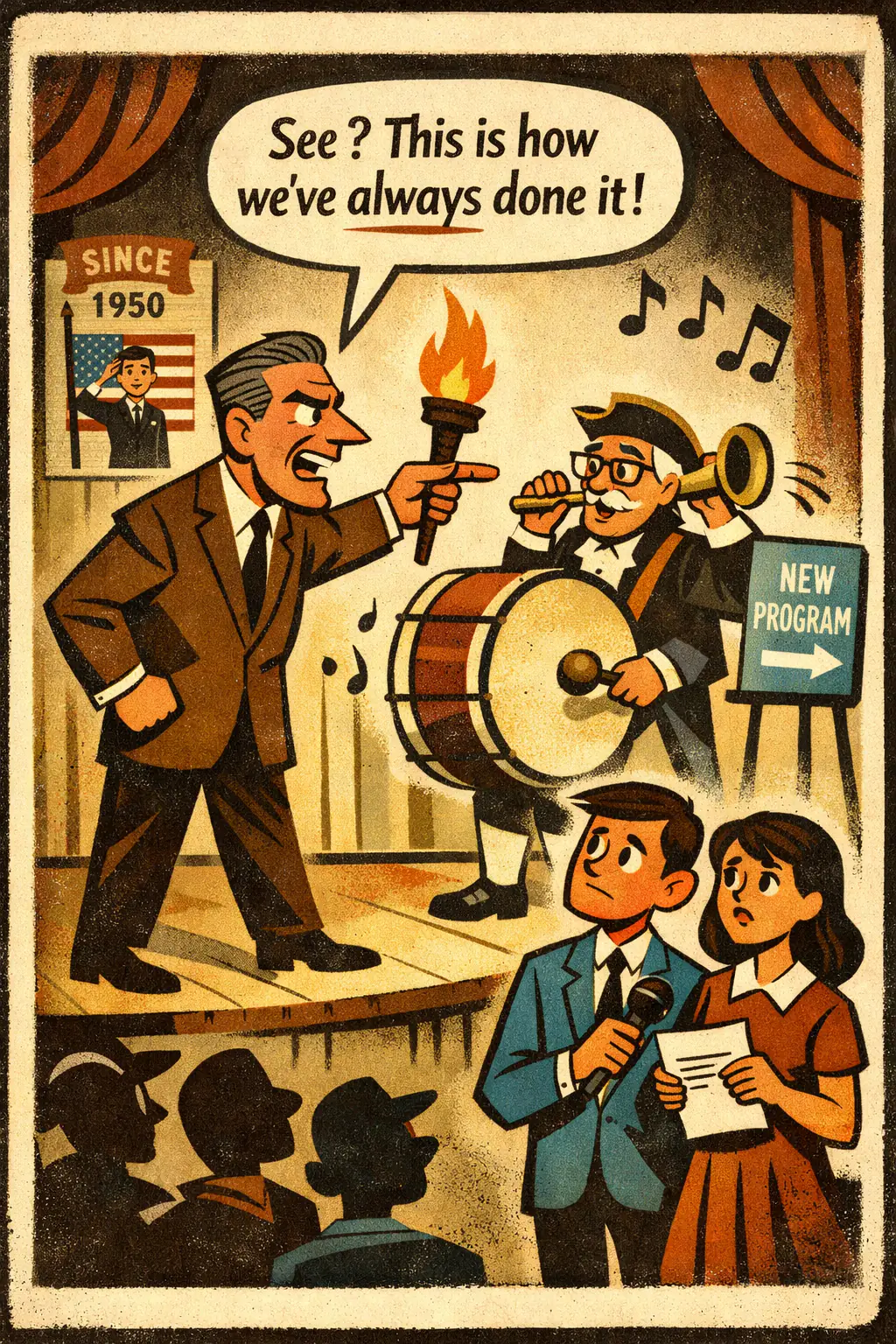
Occurs when a claim or practice is defended mainly because it has a long history, customary status, or familiar place in a community.
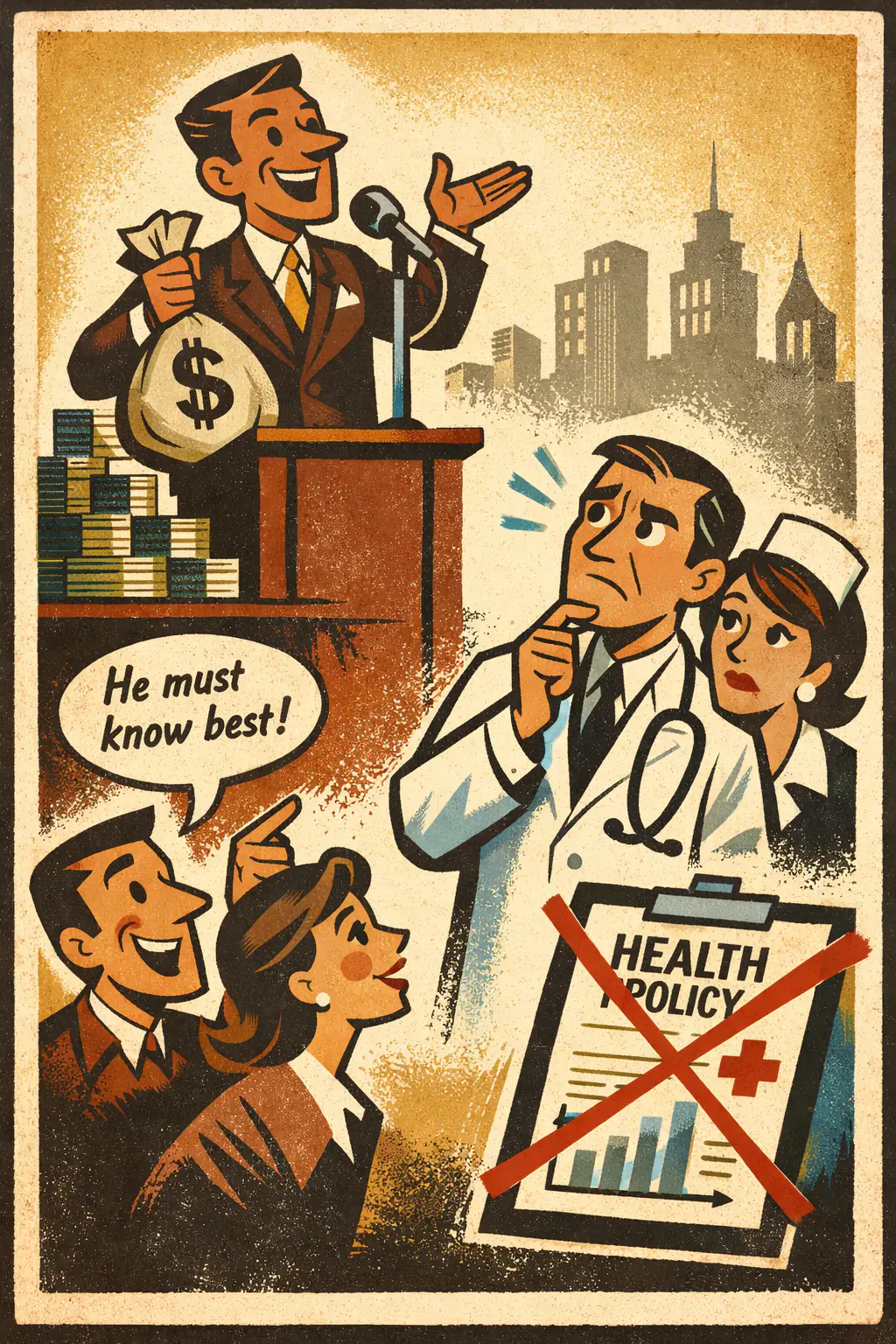
Occurs when a claim is treated as more credible or correct mainly because it comes from a rich, famous, or financially successful person.
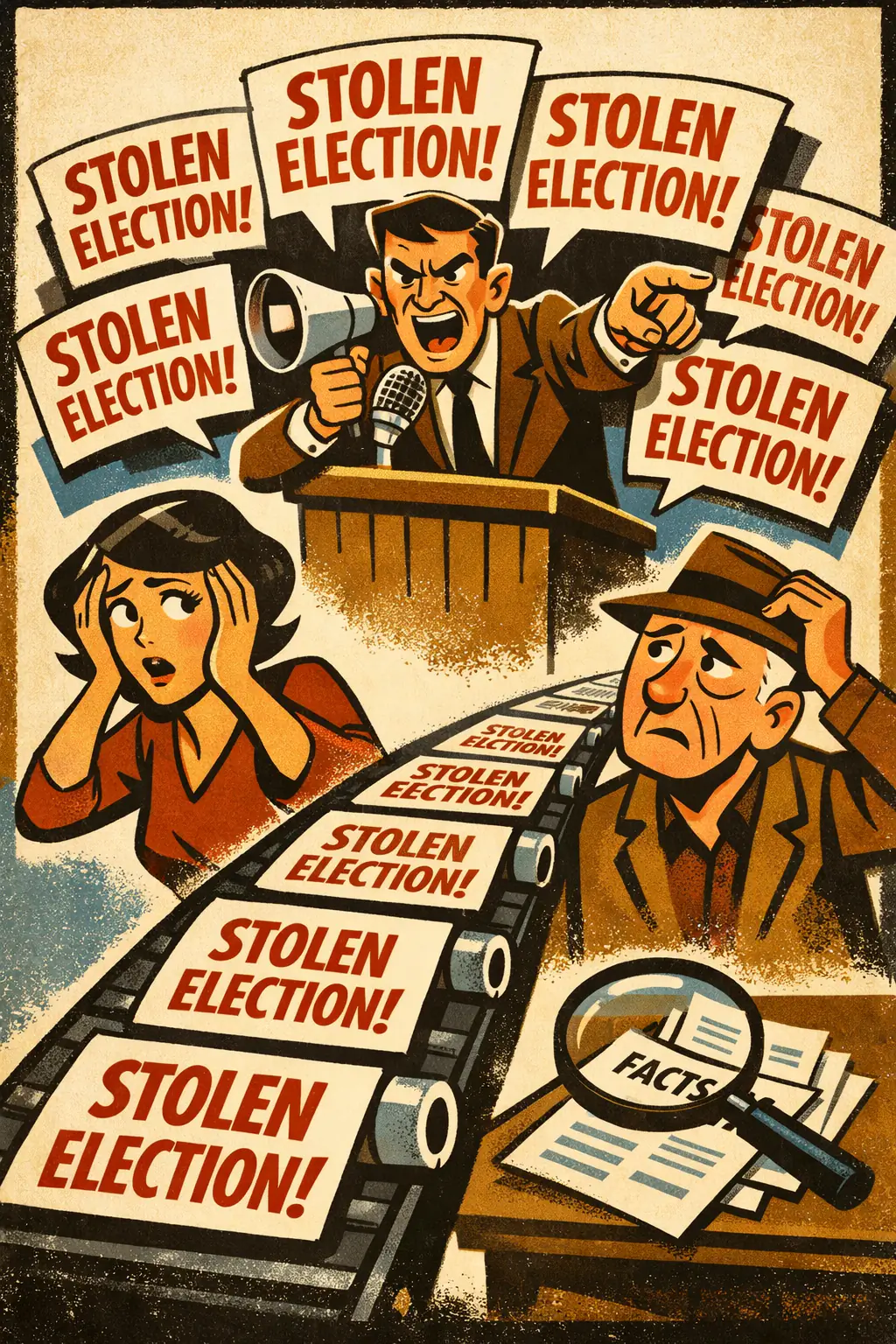
Occurs when repetition is treated as if it adds evidence, wearing down doubt or making a claim seem true through familiarity.
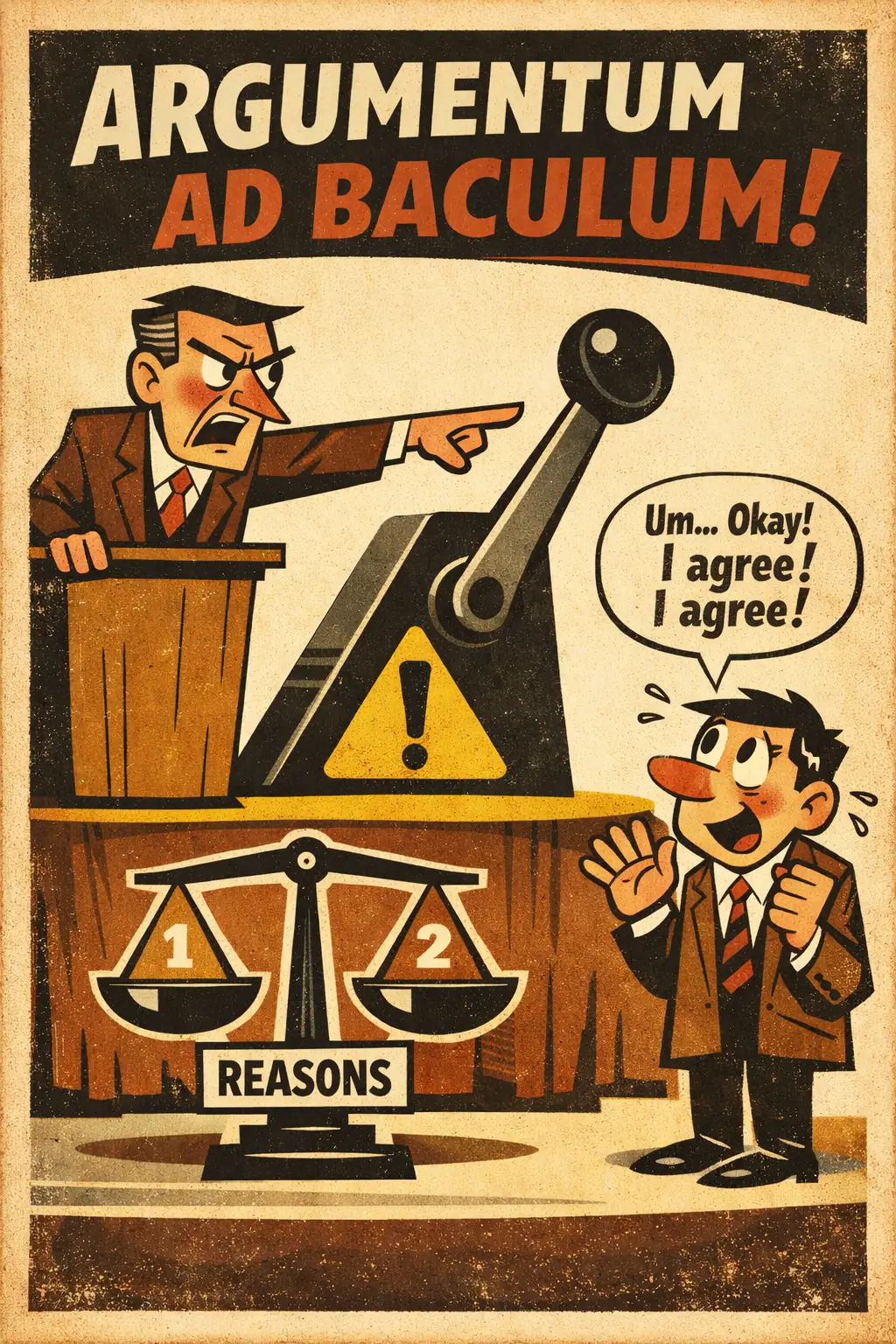
Occurs when agreement is extracted by threat, intimidation, or coercive pressure rather than by showing that the claim is true.
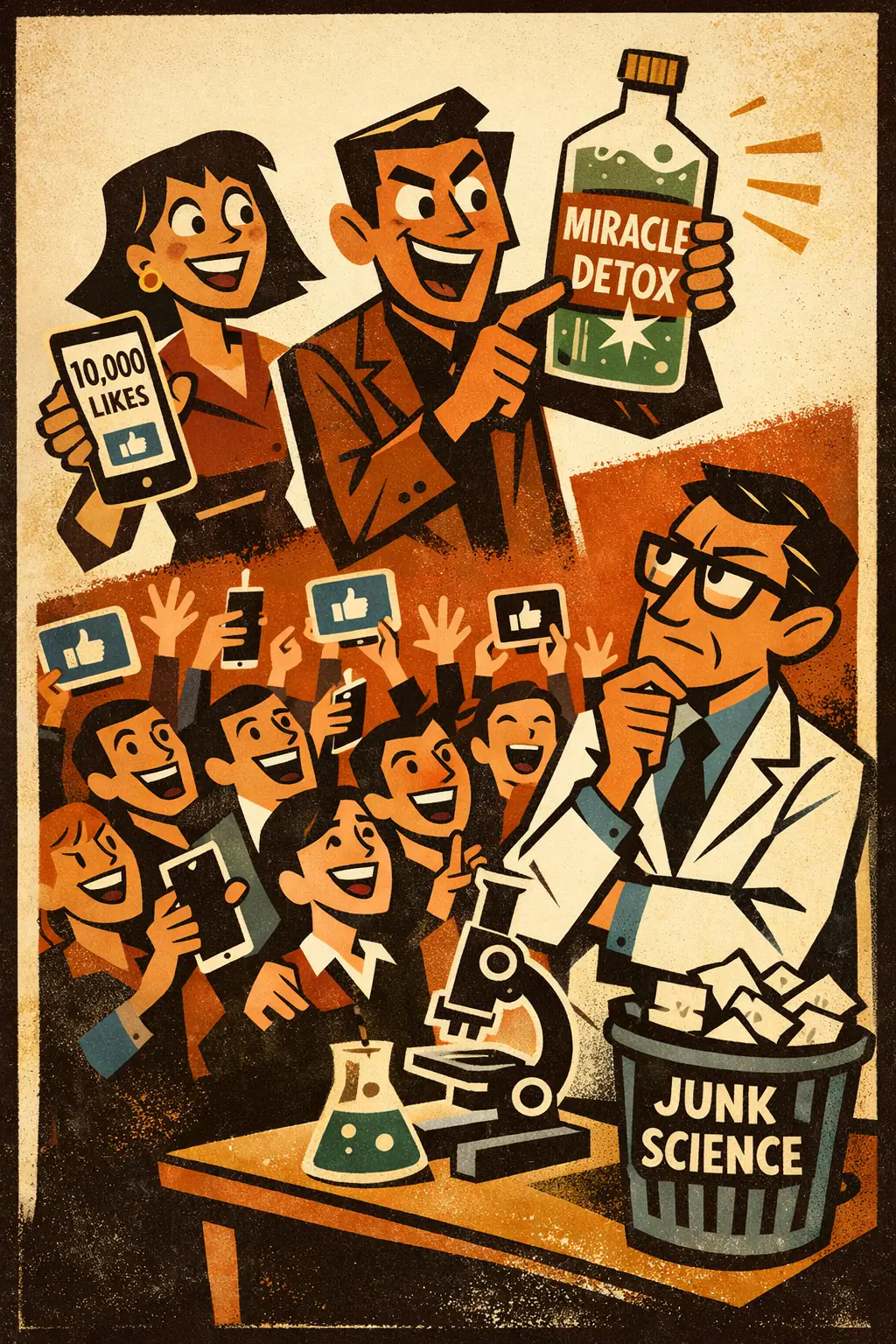
Occurs when a claim is treated as true, reasonable, or justified mainly because many people believe it, share it, or act on it.
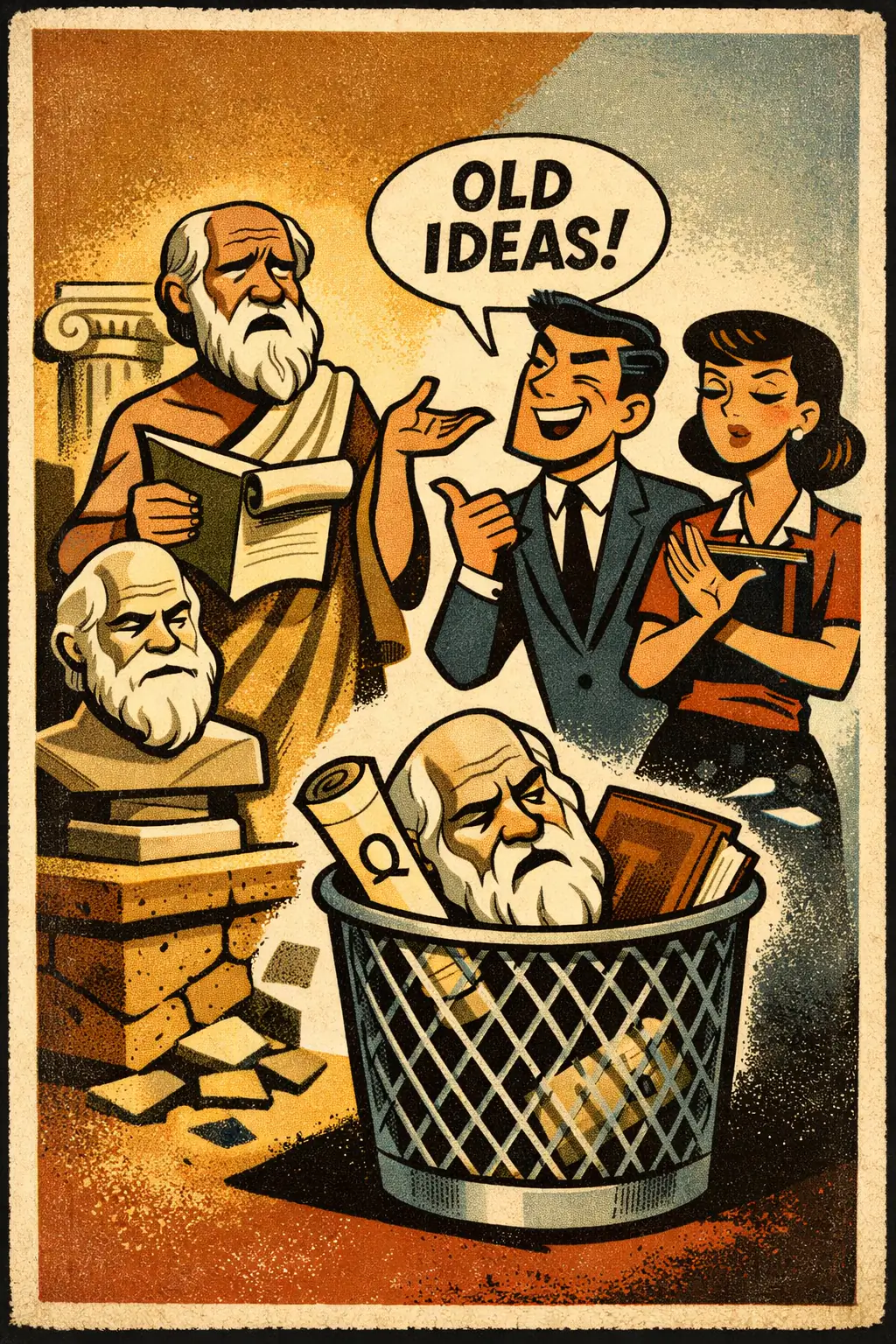
Occurs when an idea is dismissed mainly because it is old, premodern, or associated with a period that also held many false beliefs.
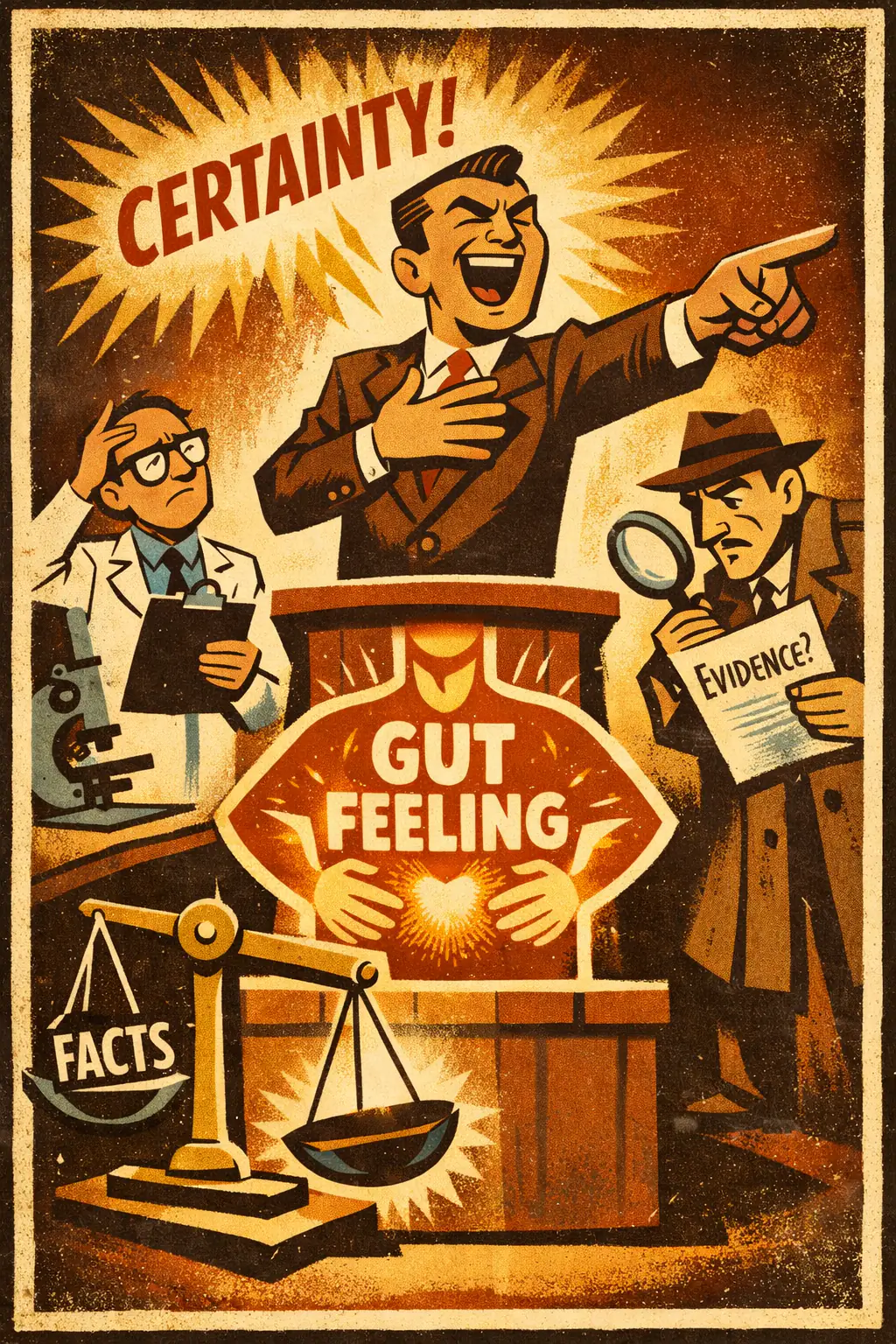
Occurs when a speaker's certainty, intensity, or felt conviction is treated as if it were evidence that the claim is true.
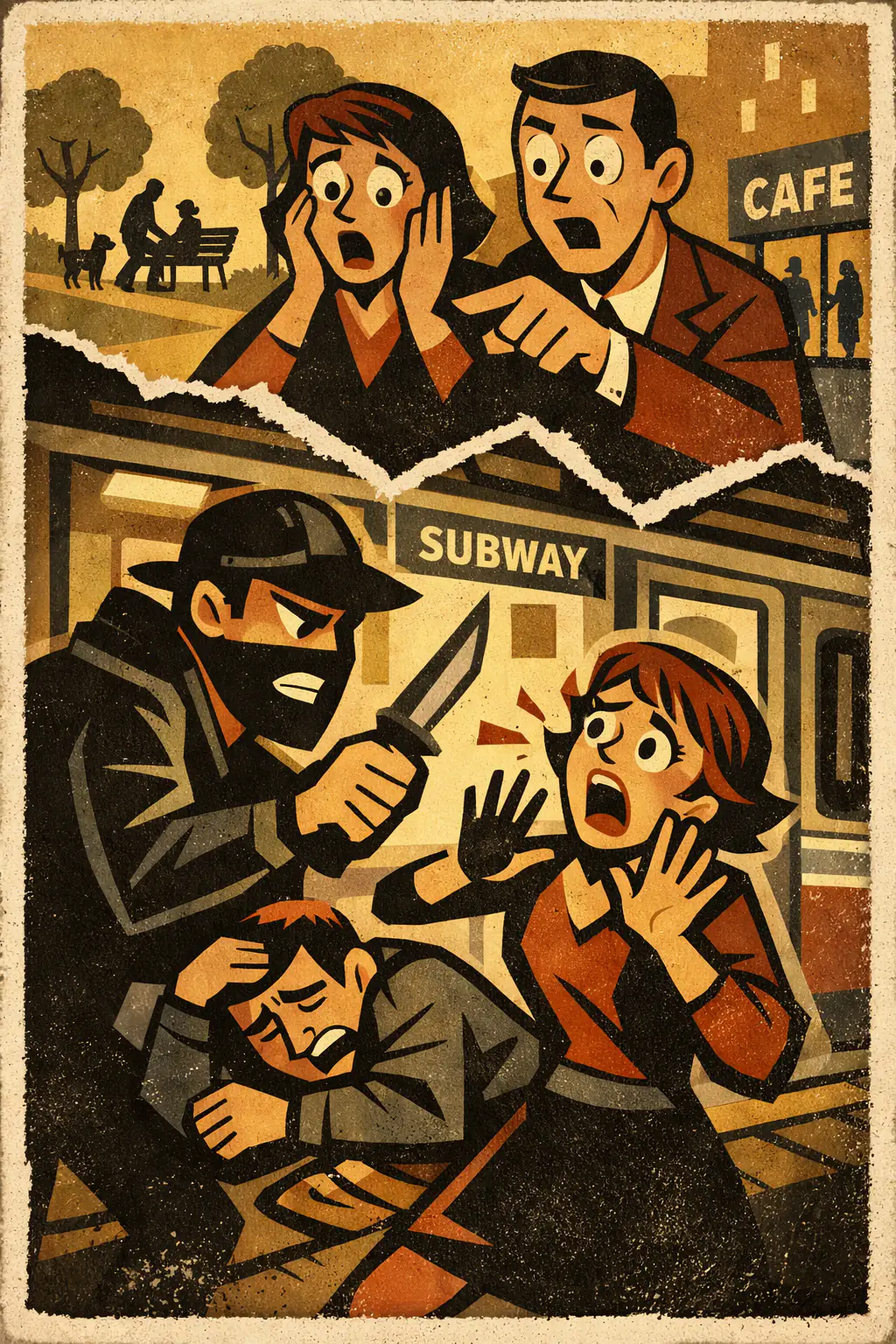
Occurs when a striking anecdote or emotionally intense case is used to make a problem seem more common, clear, or representative than the broader evidence allows.
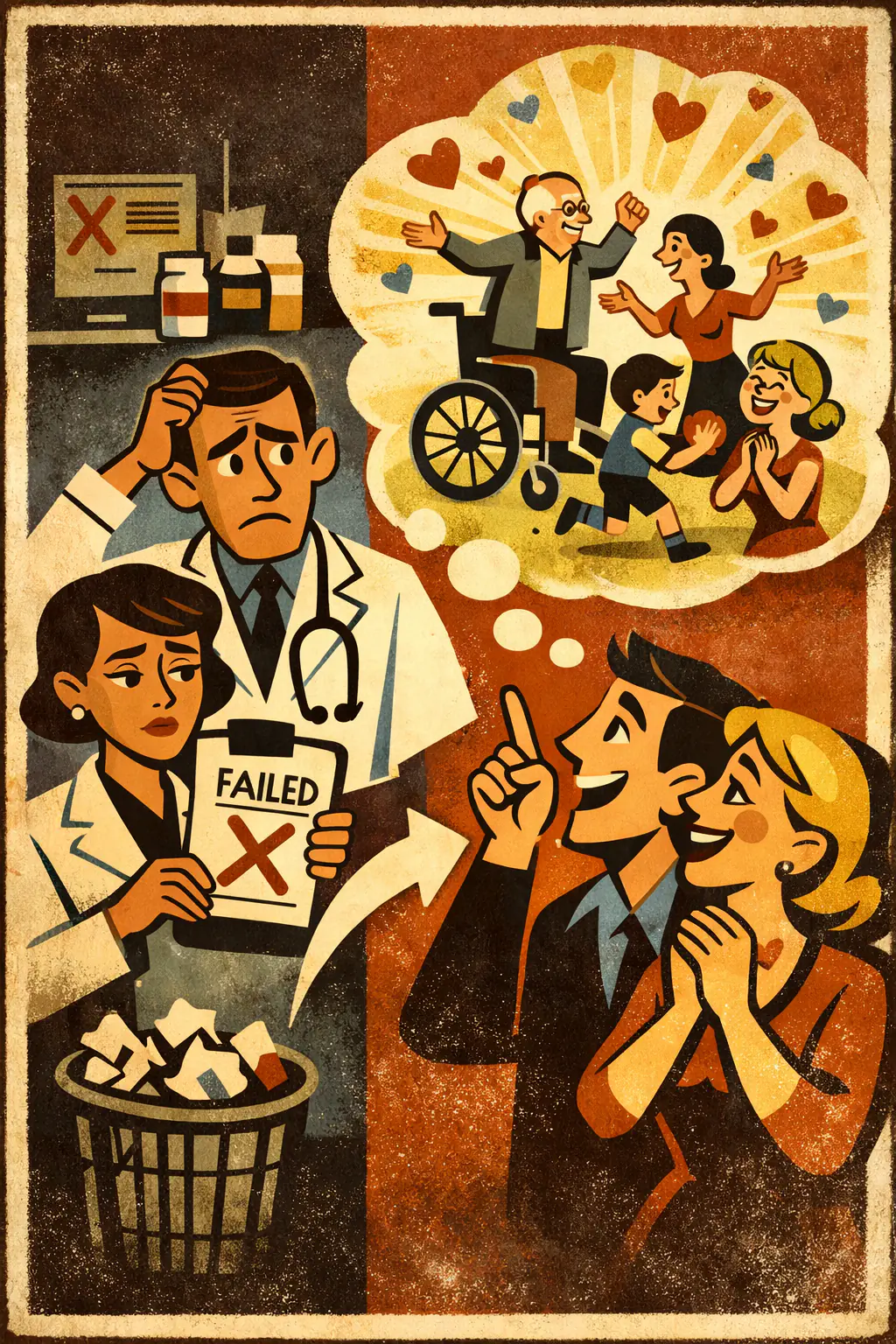
Occurs when the desirability, comfort, or emotional appeal of an outcome is treated as if that were evidence that the outcome is true, feasible, or justified.
Occurs when the polish, confidence, charisma, or dramatic force of a presentation is treated as if it established the quality of the argument itself.
Occurs when a belief or decision is driven mainly by what would be pleasing, hopeful, or comforting if true rather than by what the evidence supports.