Logical Fallacies

LogFall

A practical logical-fallacies reference with clear explanations, usable examples, and teaching tools.

Family

Evidential/Methodological Fallacy

The mistake lies in how evidence is gathered, weighed, interpreted, or treated as sufficient.

Entries

20 fallacies in this family.

Quick family question

What evidence is missing, cherry-picked, stretched, or treated as stronger than it is?

Family vs. category

A family is the broad umbrella that gives a fallacy its main home. Categories are the narrower diagnostic tags, so the same fallacy can appear in multiple categories while still belonging to one family.

Absence of evidence fallacy

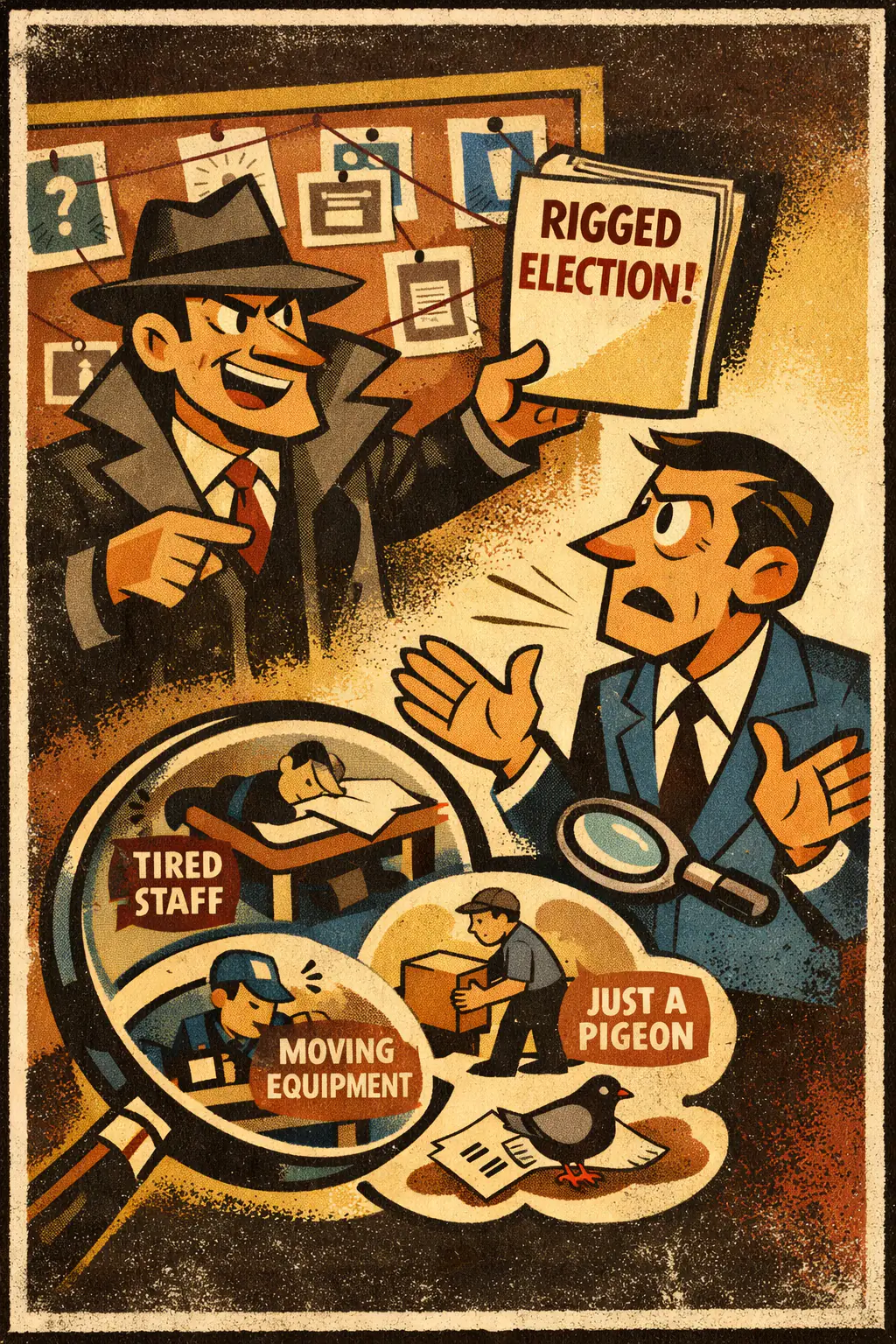
Occurs when someone treats a failure to find expected evidence as if it counted for nothing against the claim, even in a context where the claim should leave detectable t...

Evidential
Foundational Middle school+

Argument from fallacy

Occurs when someone infers that because a particular argument for a conclusion is weak or fallacious, the conclusion itself must therefore be false.

Evidential
Foundational Middle school+

Argument from ignorance

Occurs when someone concludes that a claim is true because it has not been disproved, or false because it has not been proved.

Evidential
Foundational Middle school+

Argument from incredulity

Occurs when someone treats their inability to imagine, explain, or believe a claim as evidence that the claim must be false, or conversely true.

EpistemicEvidential
Intermediate High school
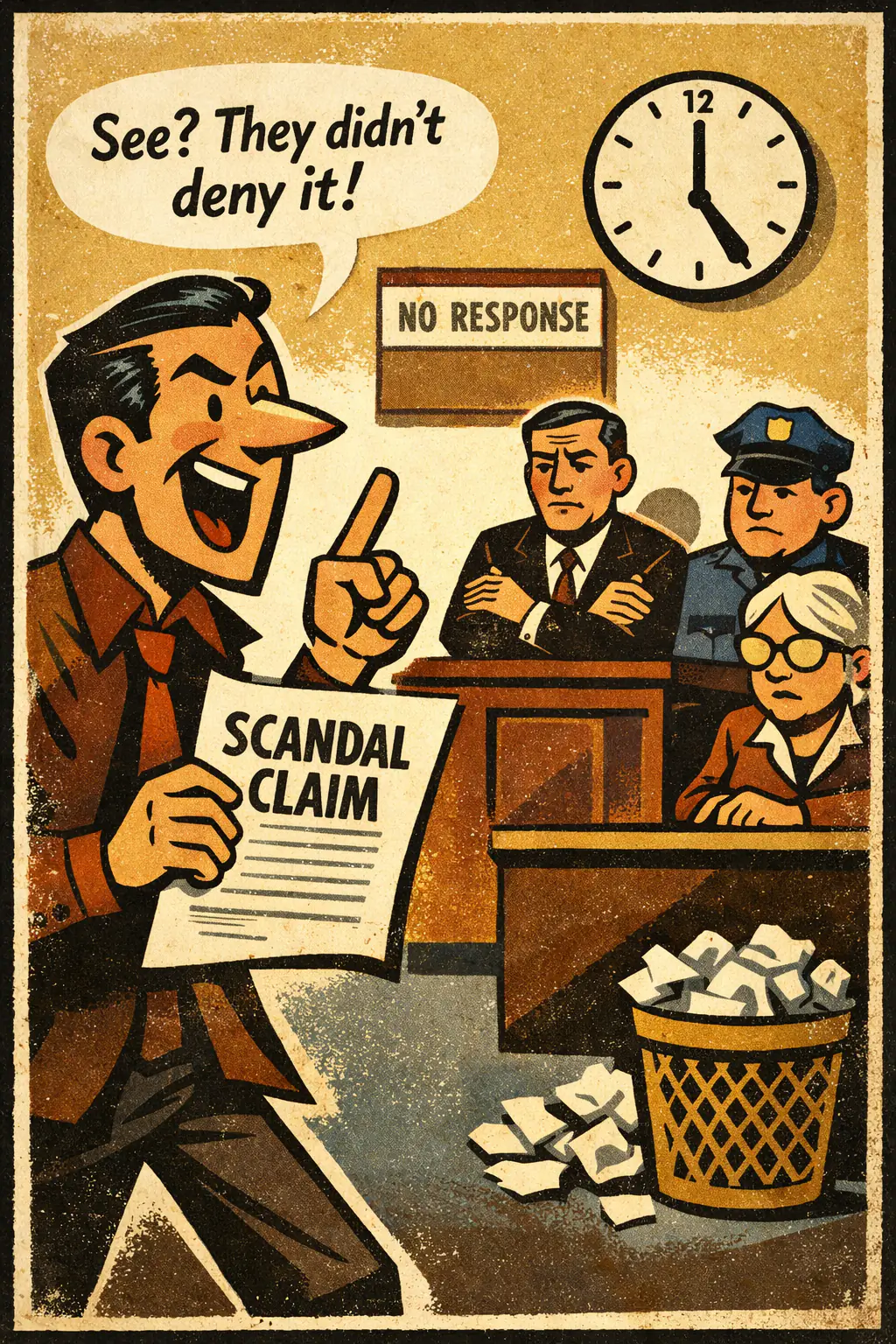
Argument from silence

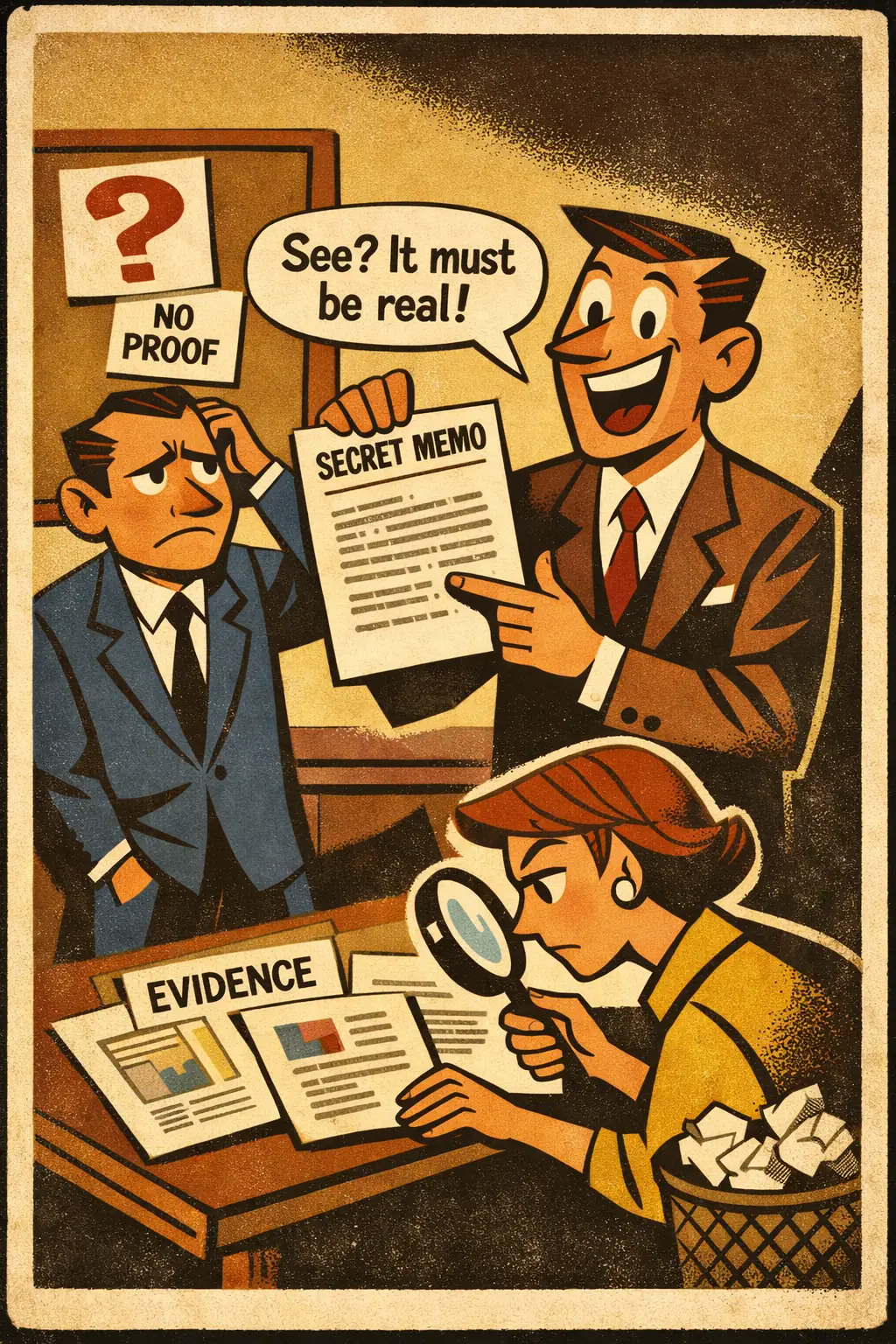
Occurs when a claim is treated as validated because opponents, authorities, or witnesses did not deny it, respond to it, or mention it.

Evidential
Foundational Middle school+

Bare assertion fallacy

Occurs when a contested claim is simply asserted, often confidently, without the evidence needed to justify it.

EvidentialTactical
Foundational Middle school+

Cherry picking

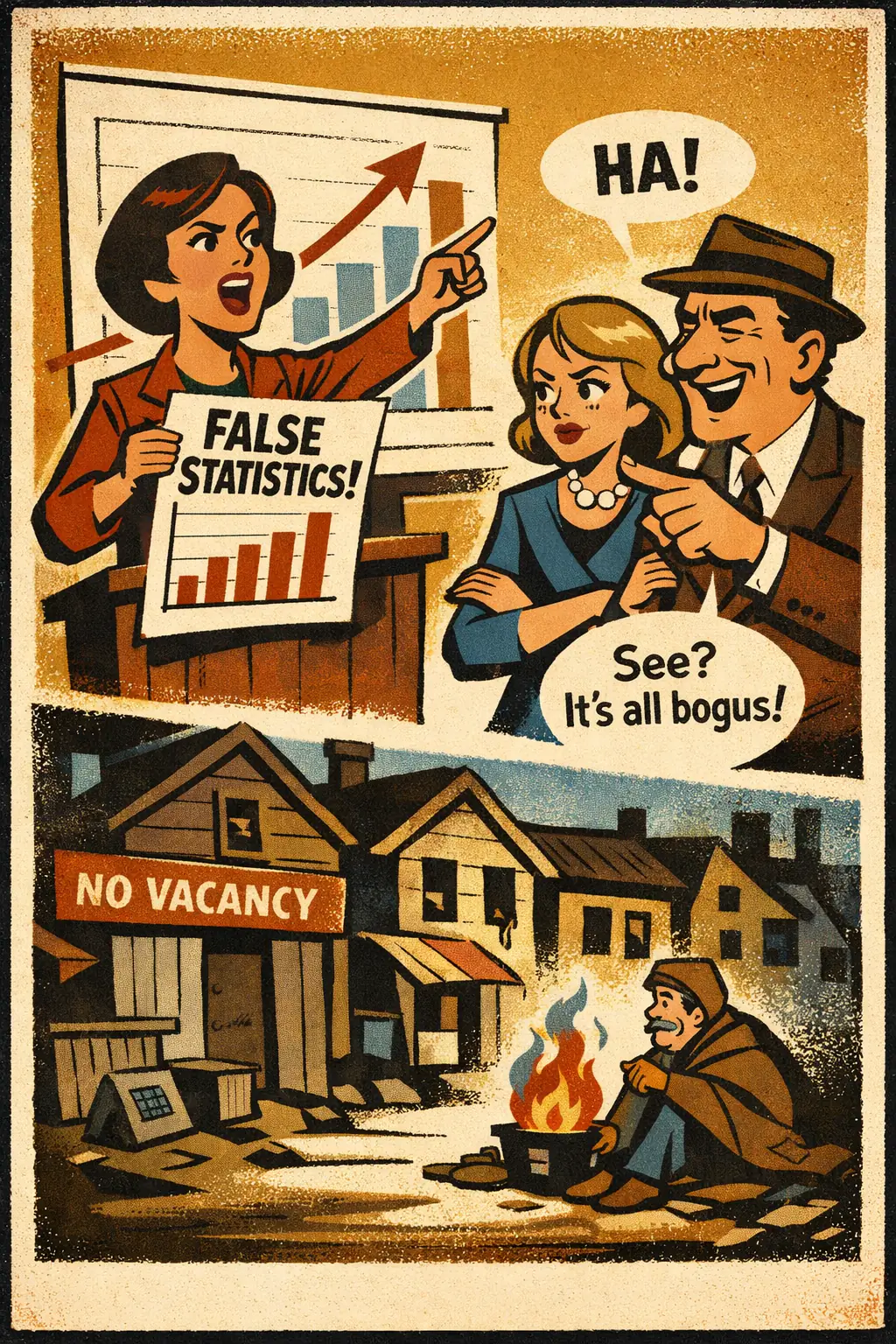
Occurs when someone selects only the evidence that supports a conclusion and ignores a wider body of evidence that weakens, qualifies, or reverses it.

TacticalEvidential
Foundational Middle school+

Demanding a mechanism

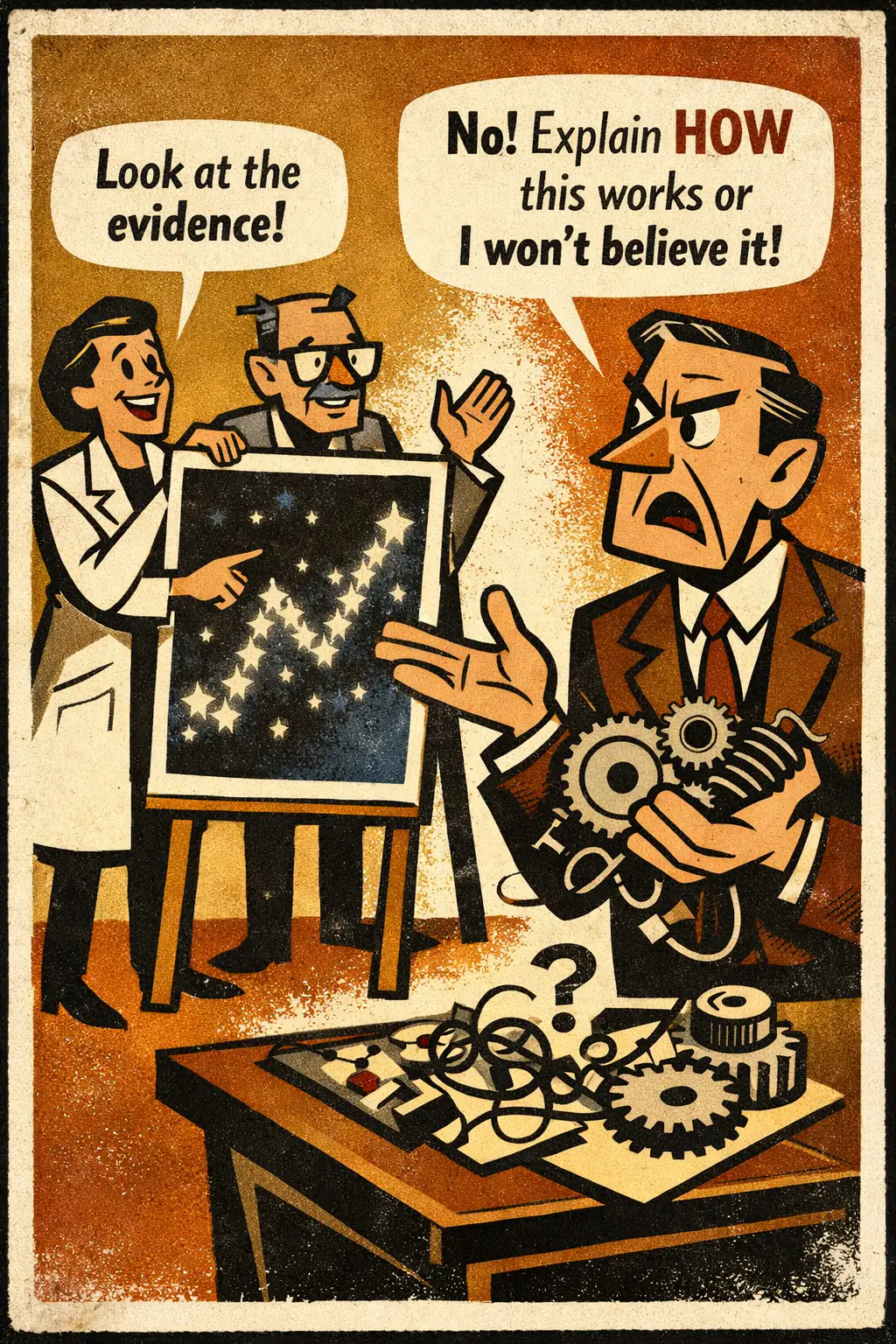
Occurs when strong evidence for a phenomenon is rejected solely because the underlying mechanism is still incomplete, disputed, or not yet fully understood.

Evidential
Foundational Middle school+

Demanding negative proof

Occurs when someone tries to protect a claim by insisting that critics must prove the claim false instead of the claimant first supplying adequate support.

TacticalEvidential
Foundational Middle school+

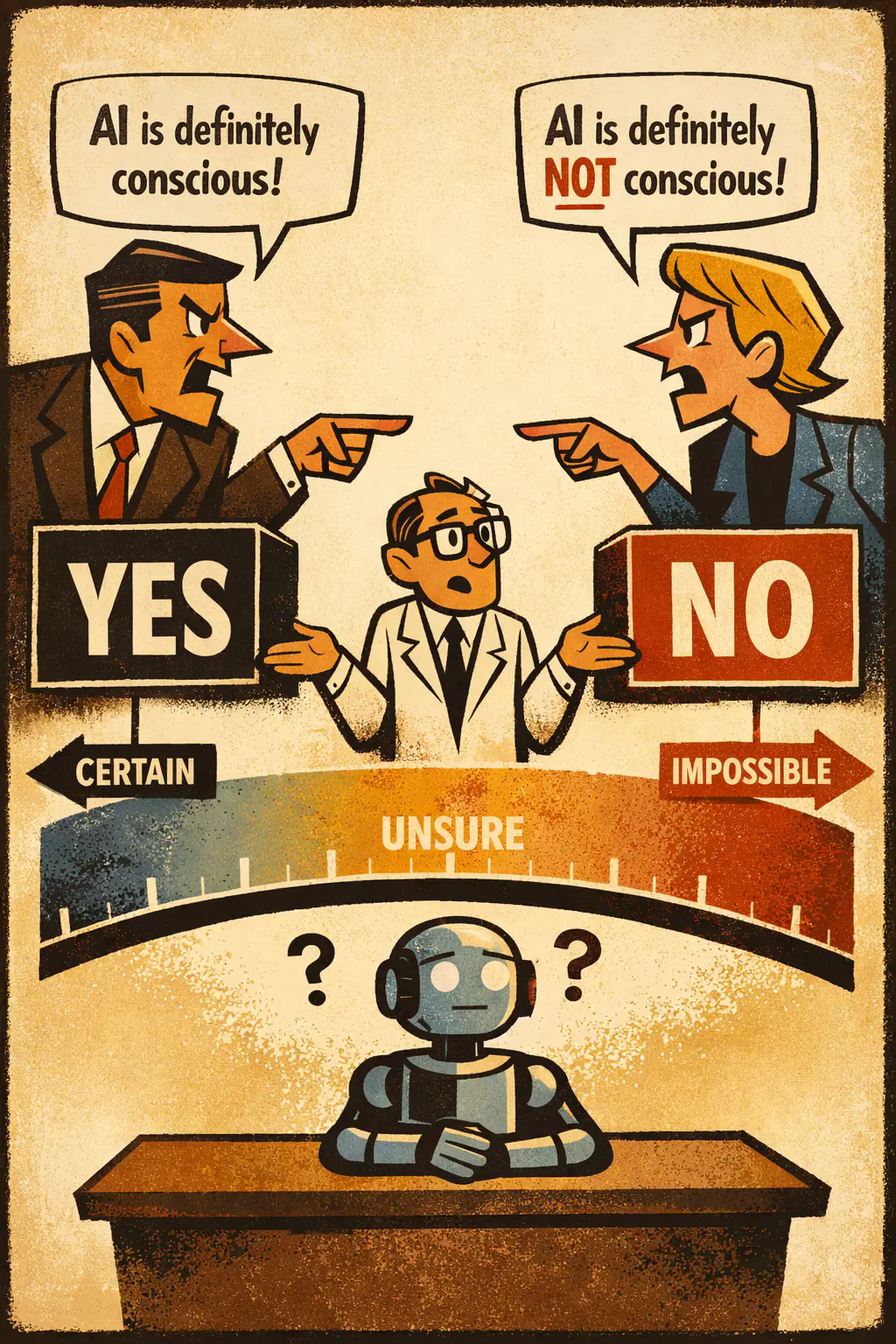
Denial of the epistemic gradient

Occurs when belief is forced into crude either-or boxes even though the evidence supports a range of confidence levels rather than a single sharp threshold.

EpistemicEvidential
Intermediate High school
Epistemic/ontological conflation

Occurs when the psychological or social effects of believing something are treated as evidence that the thing believed in actually exists or is true.

ConceptualEvidentialEpistemic
Intermediate High school

False attribution

Occurs when support for a claim is borrowed from a source that is fabricated, misquoted, unqualified, anonymous in the wrong way, or otherwise not what it is presented to...

EvidentialTactical
Foundational Middle school+

Impotent logical space

Occurs when a view is framed so every possible outcome fits it equally well, leaving no meaningful room for the claim to fail.

EvidentialConceptual
Foundational Middle school+

Negative proof fallacy

Occurs when a claim is treated as true because it has not been disproved, or false because it has not been proved.

Formal
Intermediate High school

Piggy-back assumption

Occurs when evidence for one claim is illegitimately used as if it also confirmed a second claim that merely travels alongside it.

Evidential
Foundational Middle school+

Proof by example

Occurs when one or a few examples are offered as if they were enough to establish a universal claim.

ConceptualEvidential
Foundational Middle school+

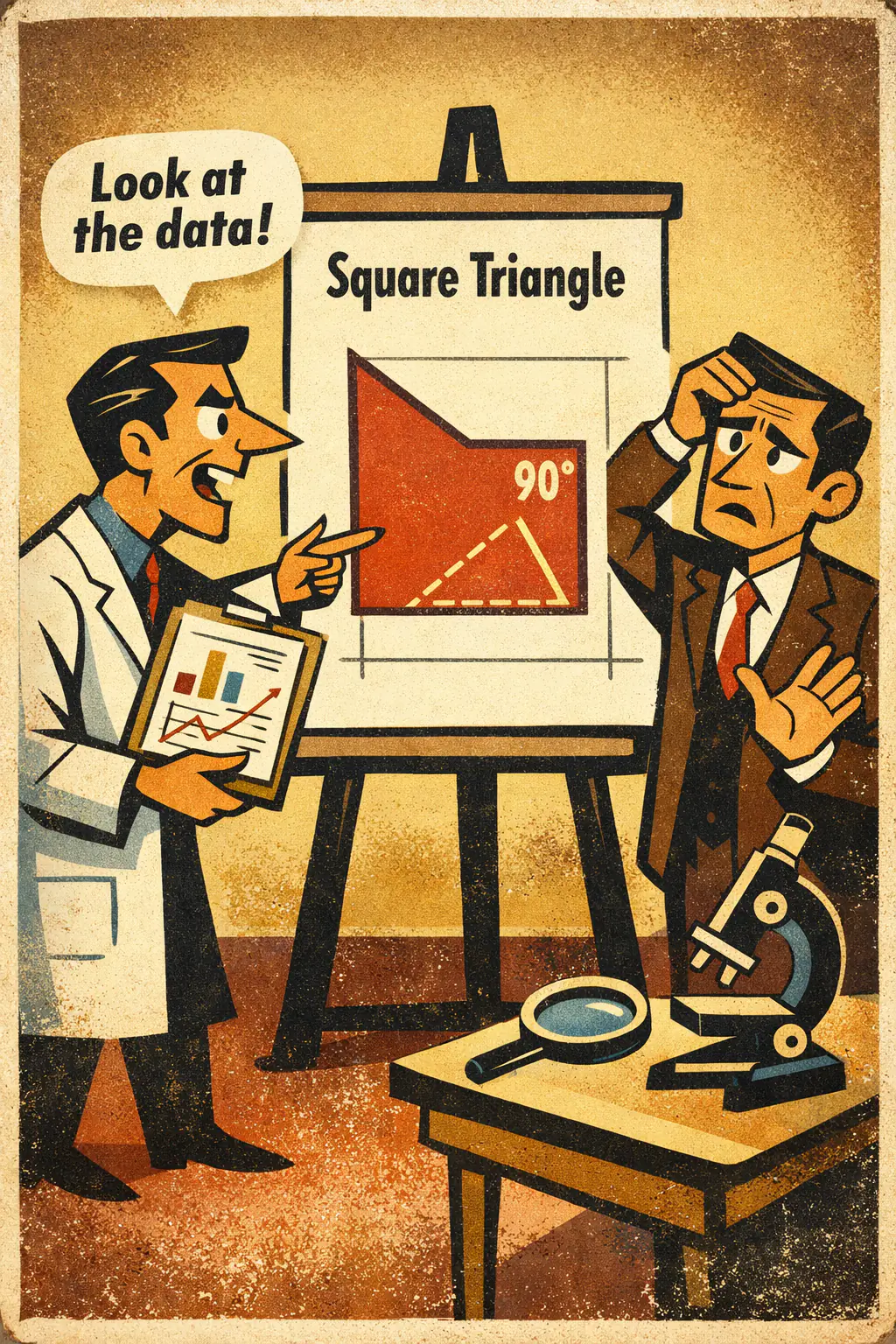
Redeeming illogic with evidence

Occurs when someone demands empirical evidence before rejecting a concept that is already incoherent, self-contradictory, or logically impossible on its own terms.

Evidential
Foundational Middle school+

Special pleading

Occurs when someone asks for an exception to a rule or standard but does not provide a relevant reason for why the favored case should be exempt.

EvidentialConceptual
Foundational Middle school+

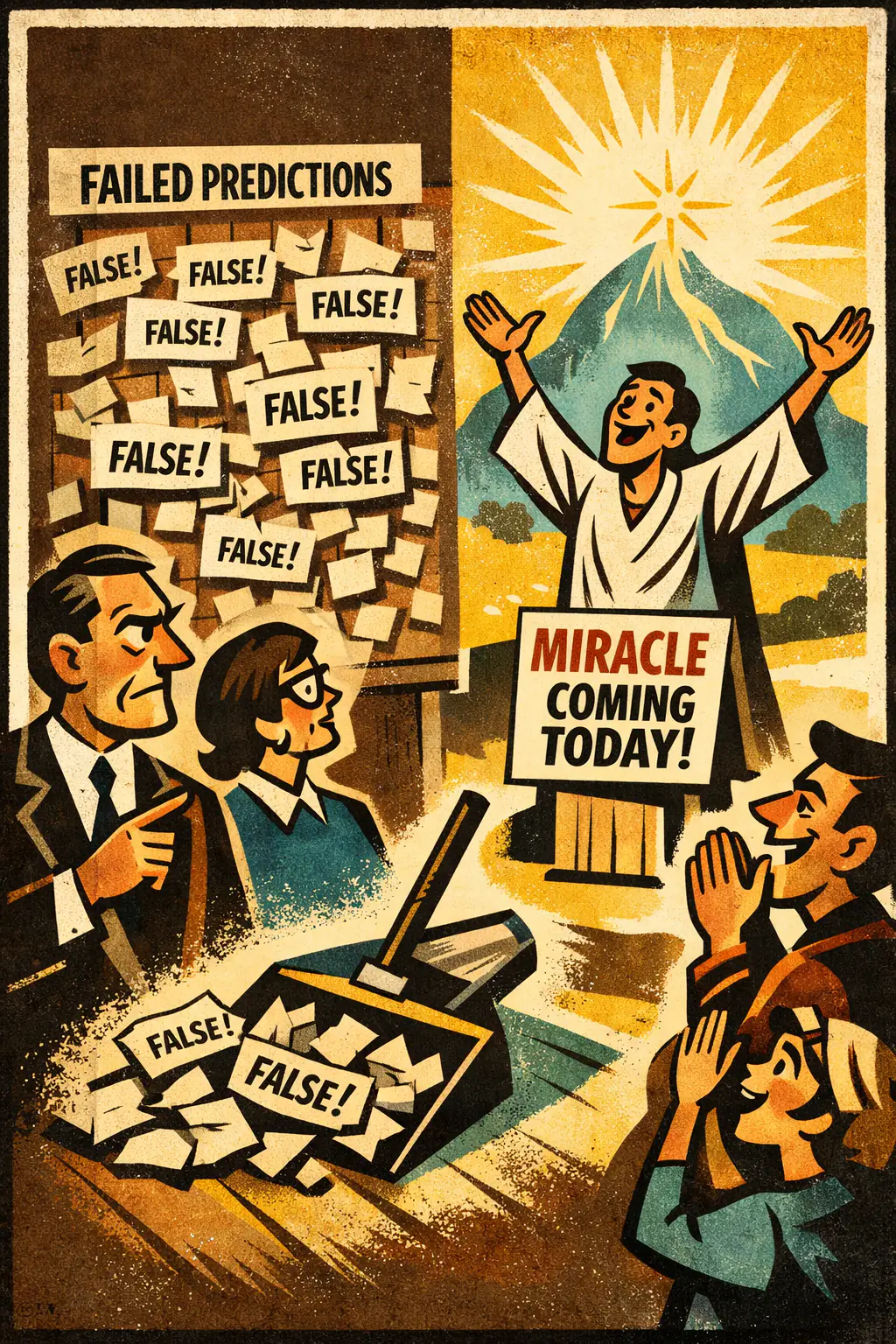
Track-record reset

Occurs when each new claim is treated as if the relevant history of prior failures, hoaxes, or false alarms did not exist and should confer no default expectation at all.

Evidential
Foundational Middle school+

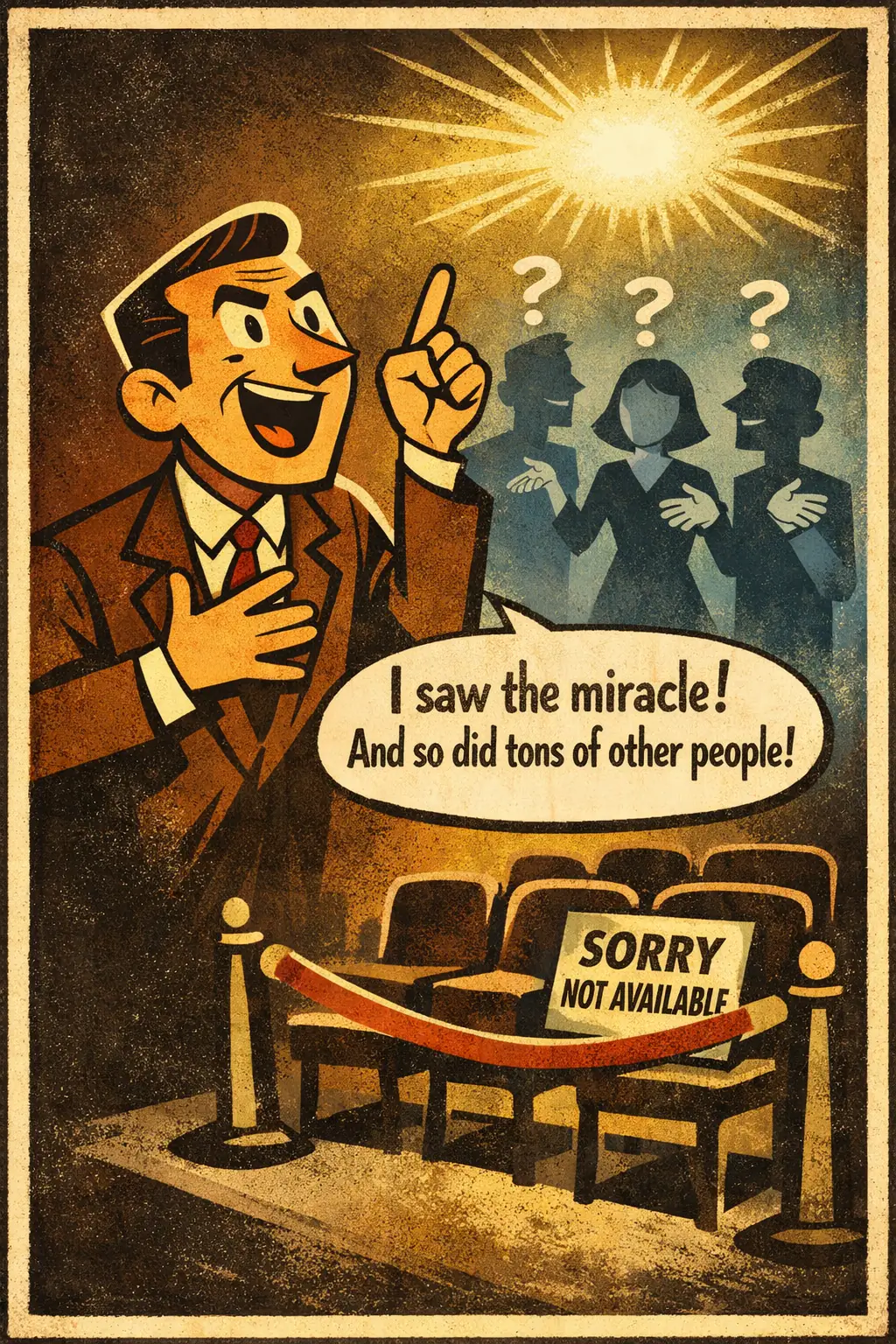
Witness chain

Occurs when testimony is padded by unverifiable references to other alleged witnesses, creating the illusion of corroboration without actually providing independent suppo...

EvidentialConceptual
Foundational Middle school+