Bottom-up condemnation
Occurs when a negative generalization about a group is used as if it settled the character or behavior of a specific member of that group.
ConceptualEvidential
Intermediate
Intro college


Logical Fallacies
A practical logical-fallacies reference with clear explanations, usable examples, and teaching tools.
Family
The argument draws the wrong lesson from a comparison, stereotype, exception, or generalization.
Occurs when a negative generalization about a group is used as if it settled the character or behavior of a specific member of that group.
Occurs when a positive generalization about a group is used as if it established the virtue or competence of a specific member of that group.

Occurs when something true of the parts is assumed to be true of the whole they compose.

Occurs when something true of a whole is assumed to be true of each part or member of that whole.
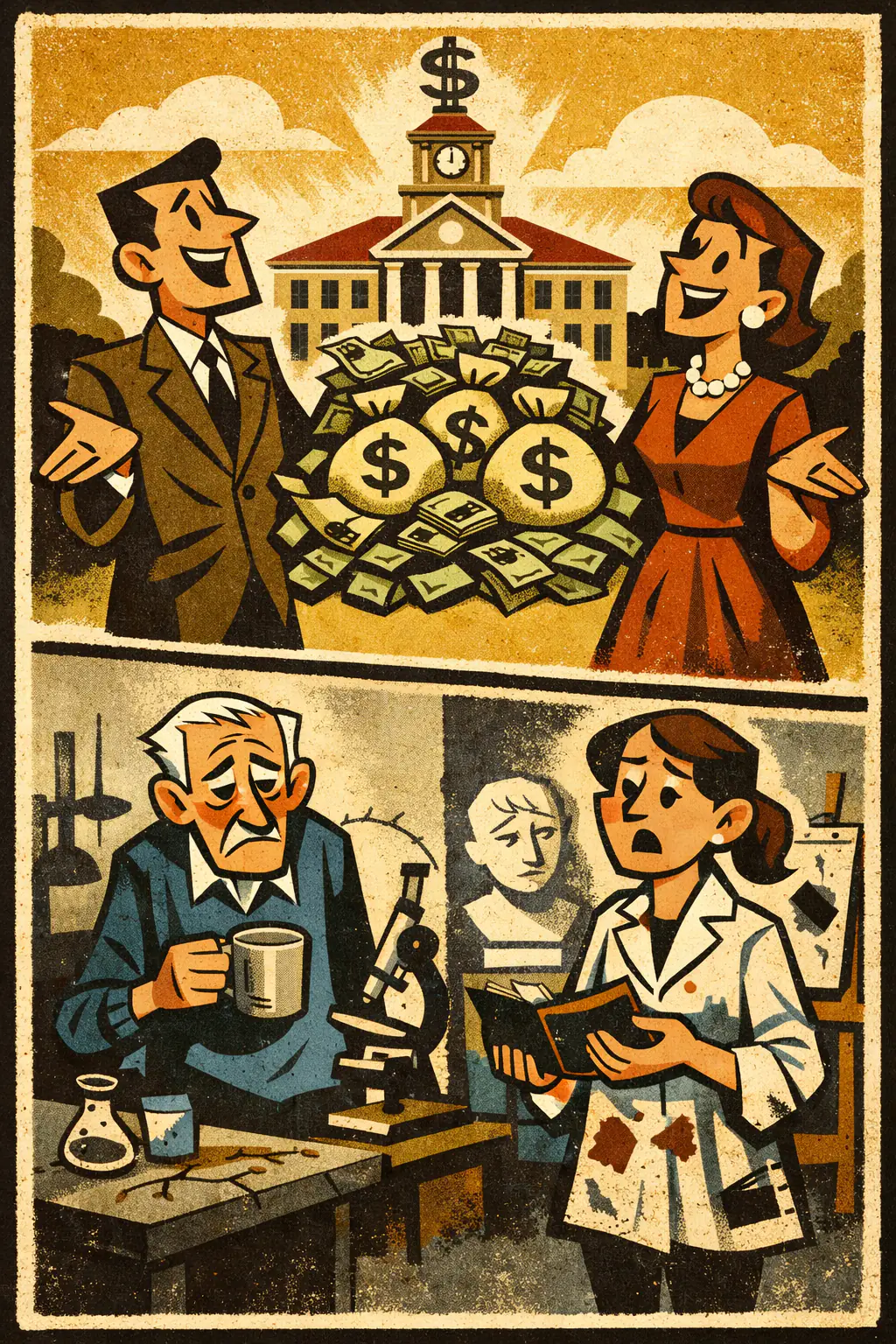
Occurs when one thing is treated as sufficiently like another even though the comparison breaks down at the point the argument depends on.

Occurs when a dispute is presented as if the competing sides were roughly equal in credibility or evidential support even though the evidence is not remotely balanced.

Occurs when the midpoint between two positions is treated as correct simply because it lies between them.

Occurs when two things are treated as equivalent in seriousness, meaning, or explanatory weight despite relevant differences that make the comparison misleading.

Occurs when an inductive conclusion reaches further than the available evidence can reasonably support, or ignores information that should limit the generalization.
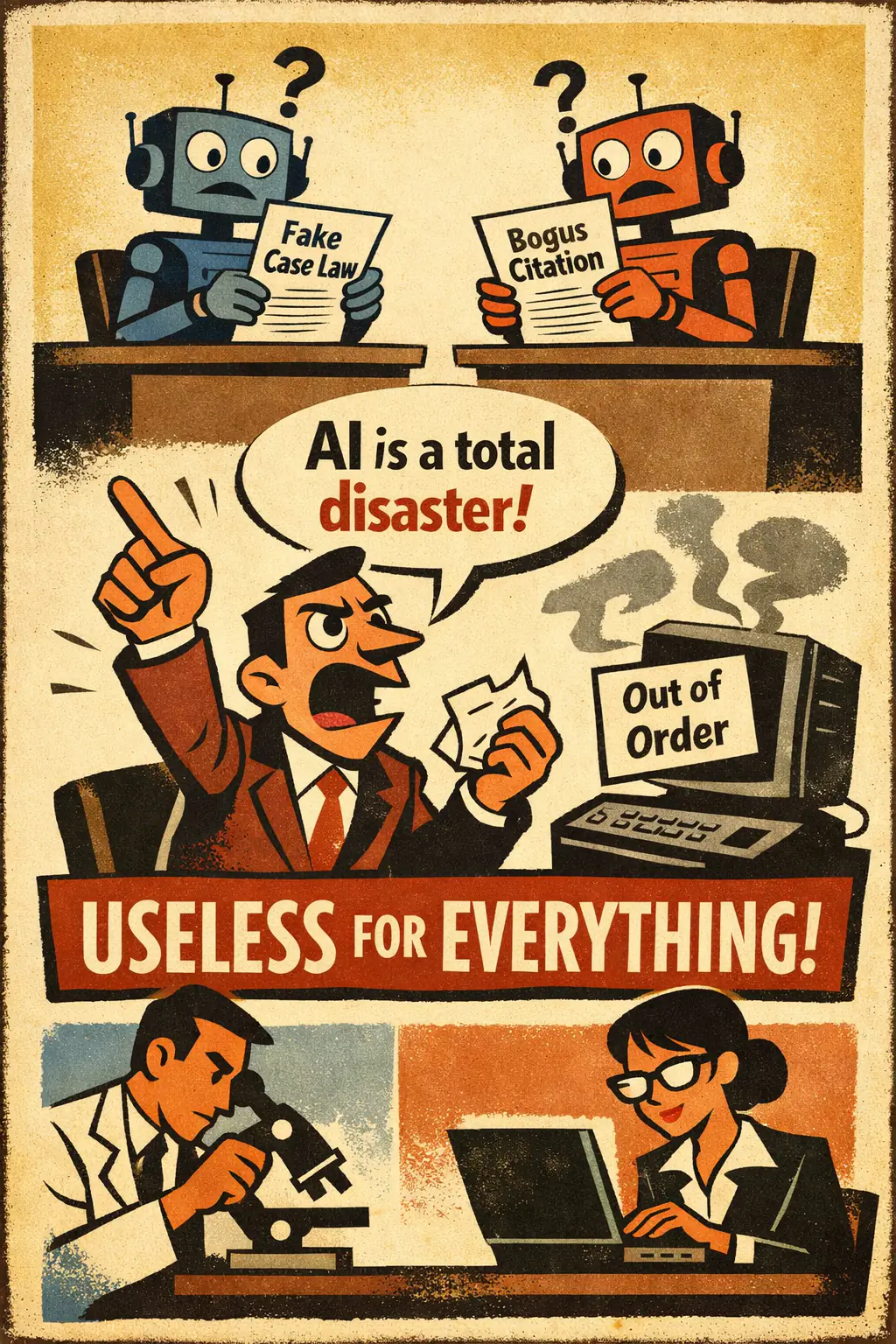
Occurs when one option is called better, worse, cheaper, safer, or more effective without specifying the relevant comparison class or the other factors that matter.
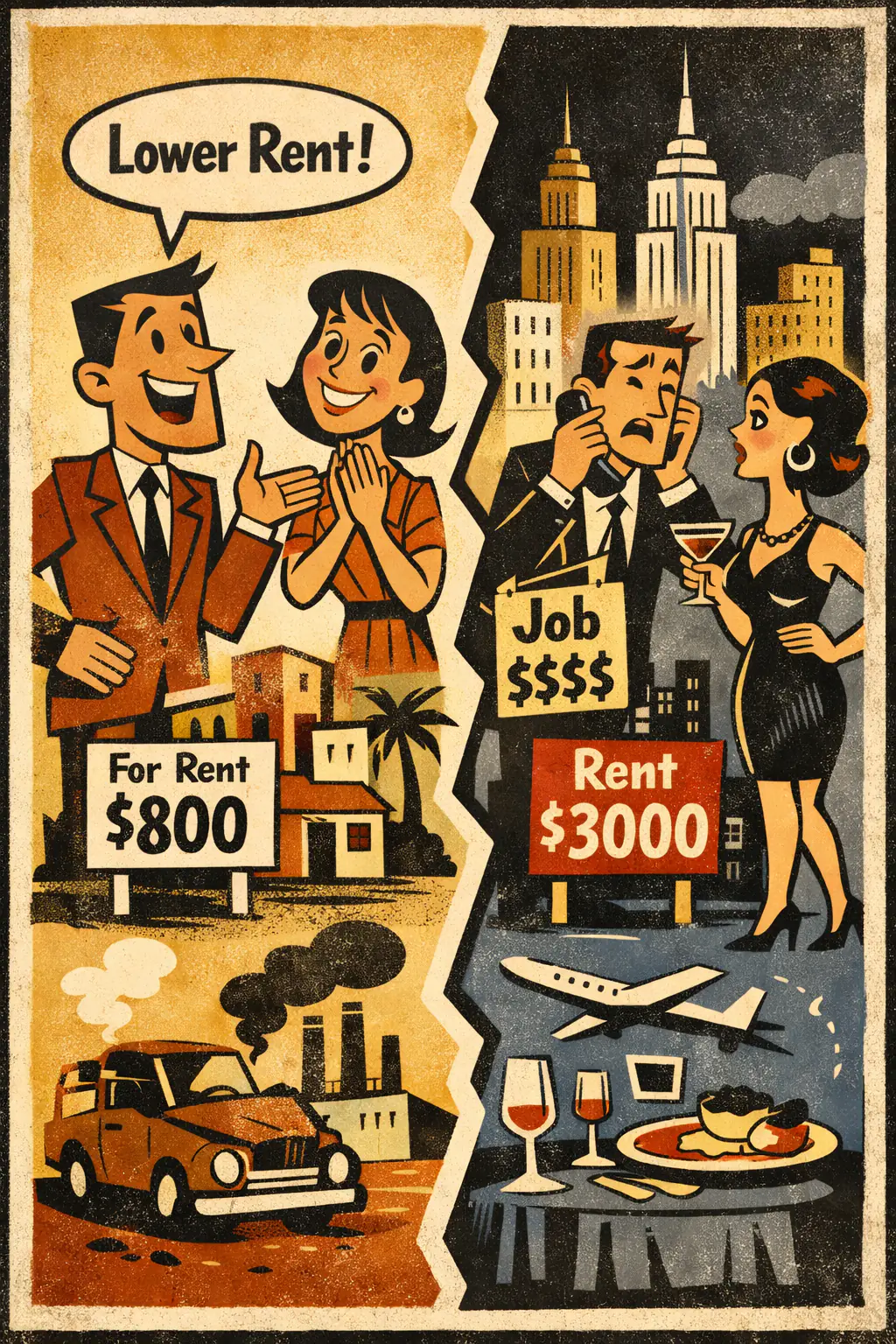
Occurs when different comparison targets are used across different dimensions to create the illusion of one all-around winner.

Occurs when a realistic option is rejected because it does not solve a problem perfectly or because an imagined ideal is used as the standard of comparison.

Occurs when a useful solution is dismissed because it does not fully solve the problem or because some flaws would remain afterward.

Occurs when a messy range of better and worse cases is collapsed into a rigid perfect-or-failed binary.
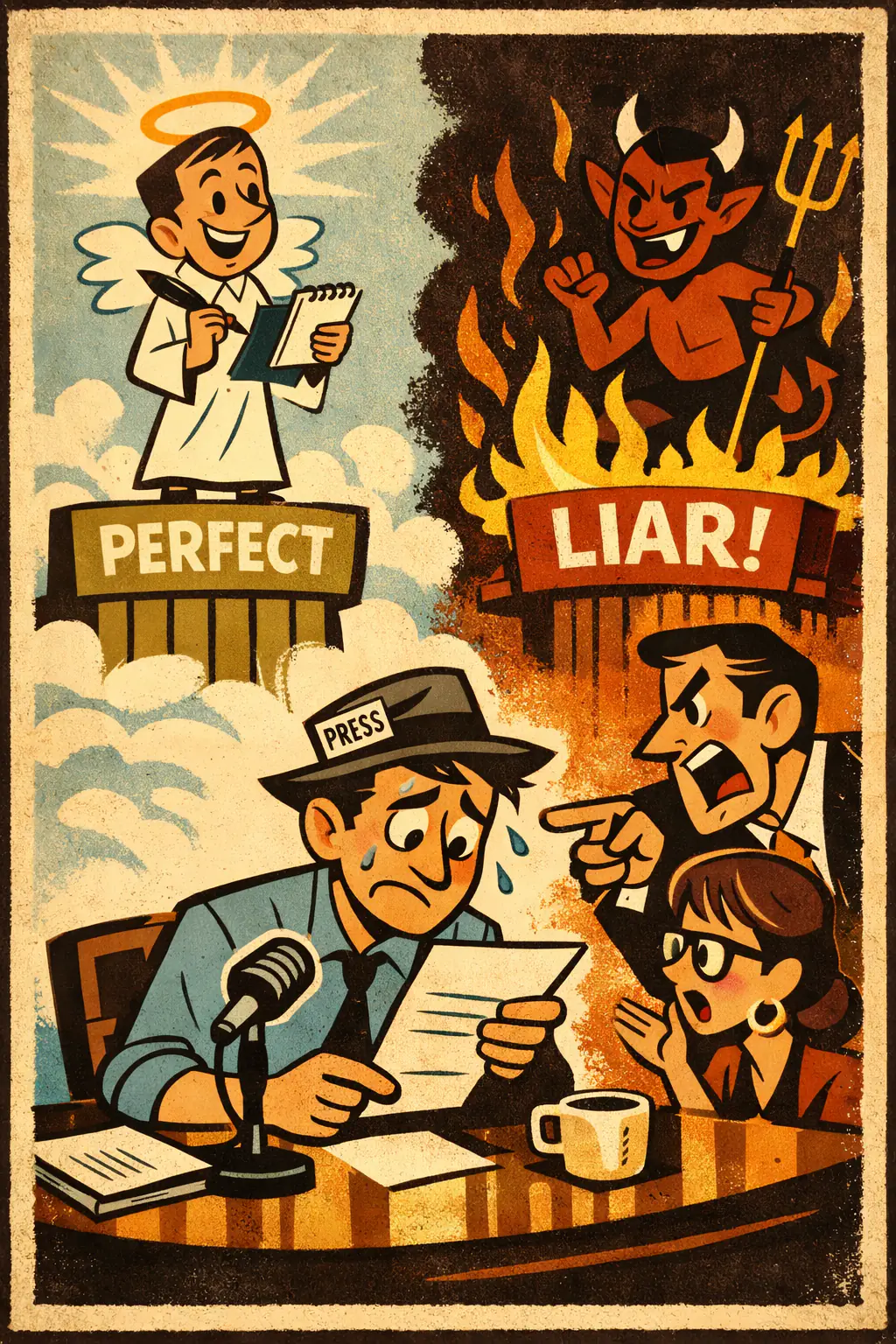
Occurs when an analogy is deliberately stretched past its intended point so it can be mocked or refuted.

Occurs when a negative trait found in one member of a group is used to condemn the group as a whole.

Occurs when a reasonable generalization is attacked by demanding that it hold without relevant scope conditions or exceptions.

Occurs when a positive trait found in one member of a group is used to justify a positive conclusion about the group as a whole.