Ad hominem
Occurs when someone treats an attack on a person's character, motives, class, or biography as if it were a refutation of that person's argument.
TacticalEmotional
Foundational
Middle school+

Logical Fallacies
A practical logical-fallacies reference with clear explanations, usable examples, and teaching tools.
Category
Debate maneuvers that distract, derail, pressure, or strategically reroute the exchange.
31 fallacies in this category.
Is the argument still addressing the original issue, or has the conversation been steered away?
Examples in this category
+26 more listed below.
A category is a diagnostic lens, so a fallacy may appear in more than one category. A family is the broader umbrella that gives the fallacy its single main home.
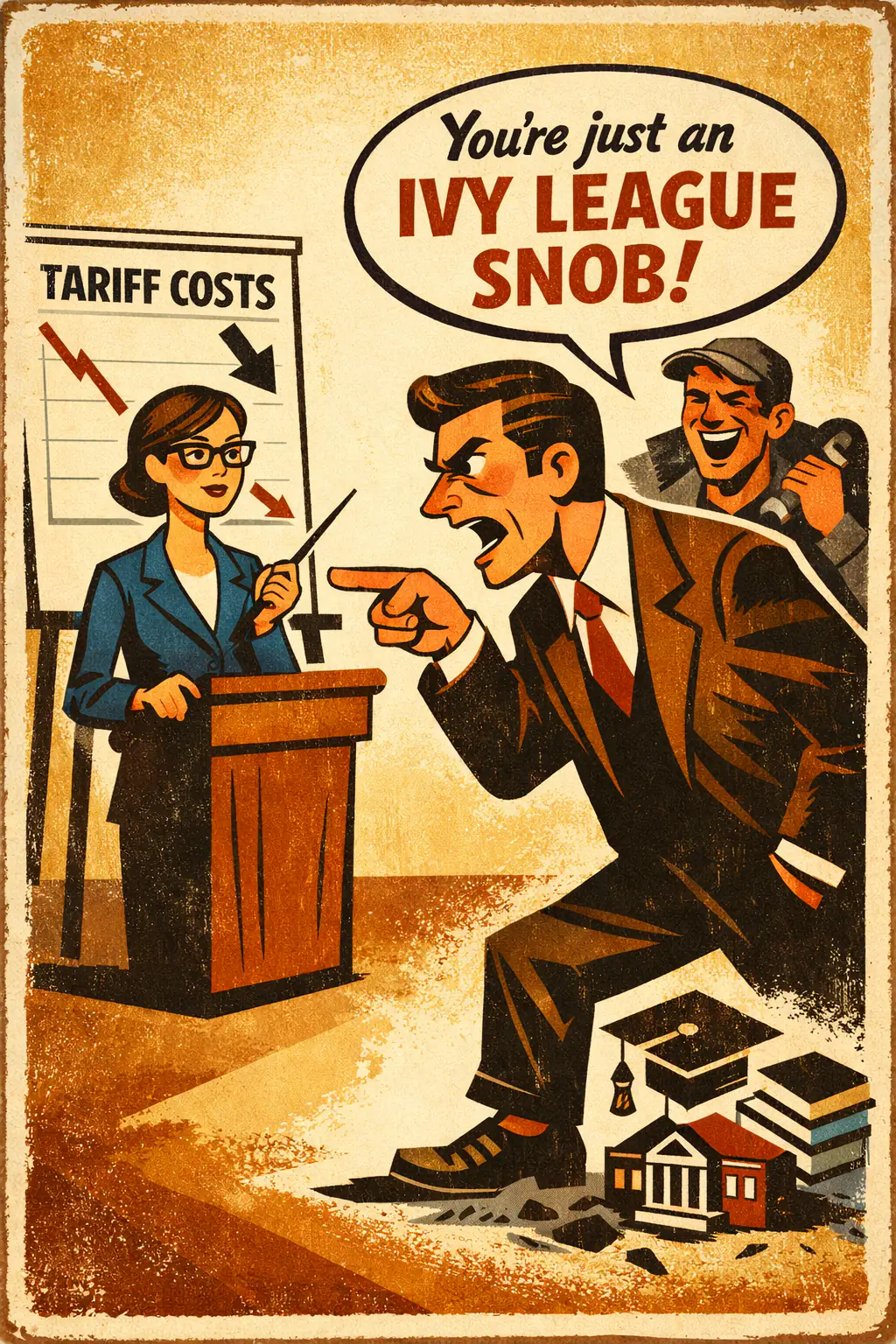
Occurs when someone treats an attack on a person's character, motives, class, or biography as if it were a refutation of that person's argument.
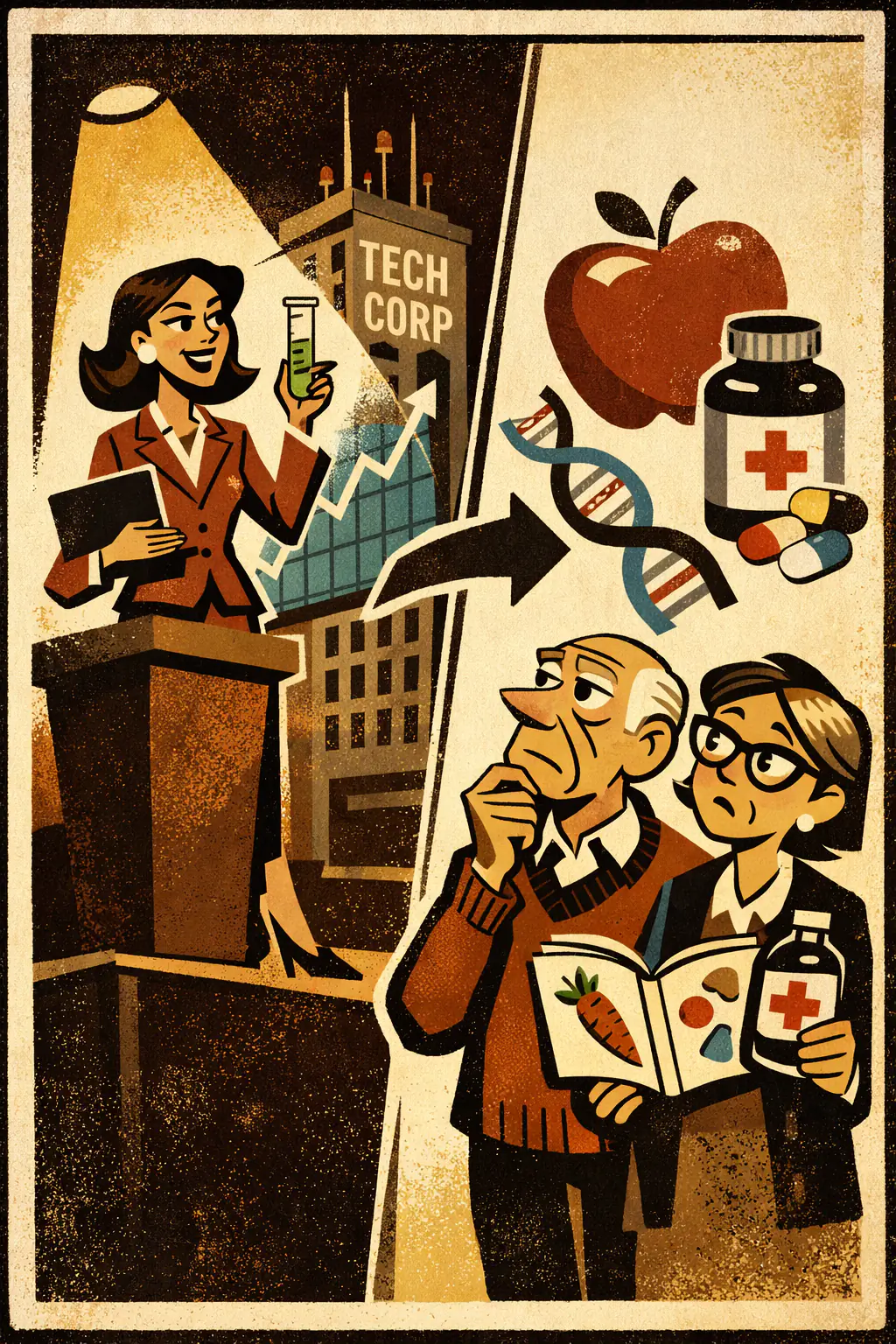
Occurs when a claim is treated as true or weighty mainly because the person promoting it has impressive accomplishments in some other domain.
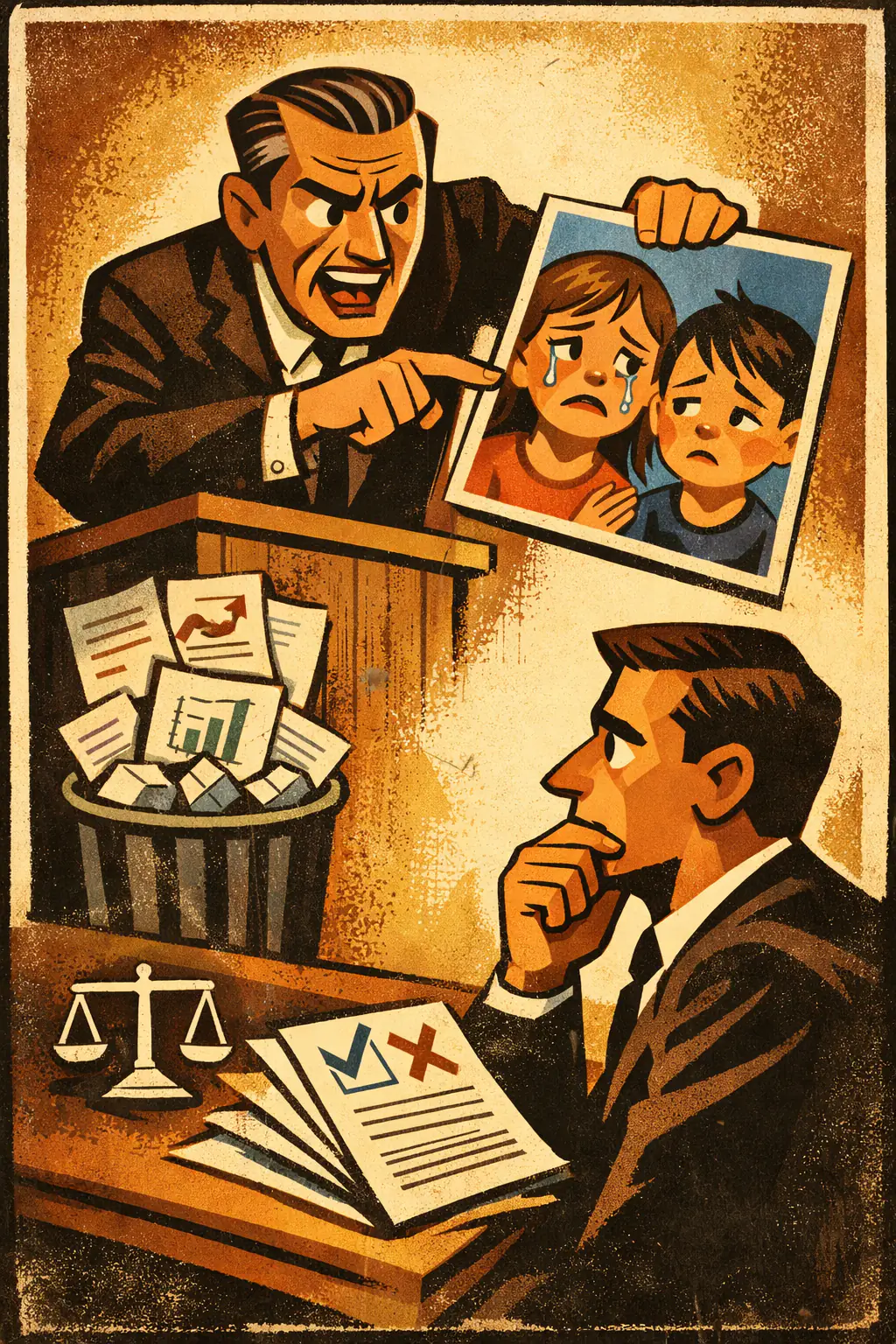
Occurs when a conclusion is pushed mainly by triggering fear, pity, outrage, pride, or hope rather than by showing that the conclusion follows from the evidence.
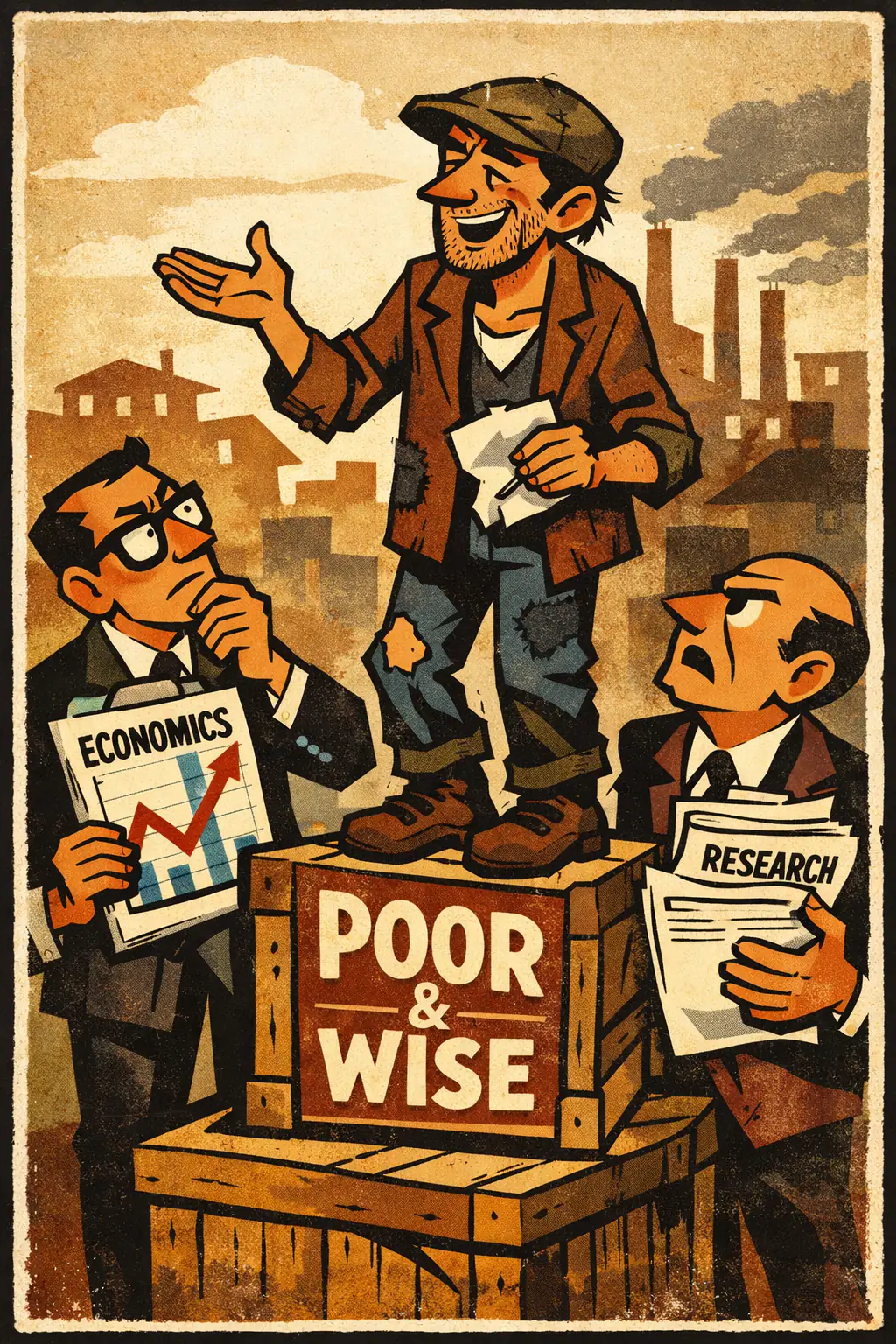
Occurs when a claim is treated as more trustworthy, virtuous, or true mainly because its proponent is poor, ordinary, or from humble circumstances.
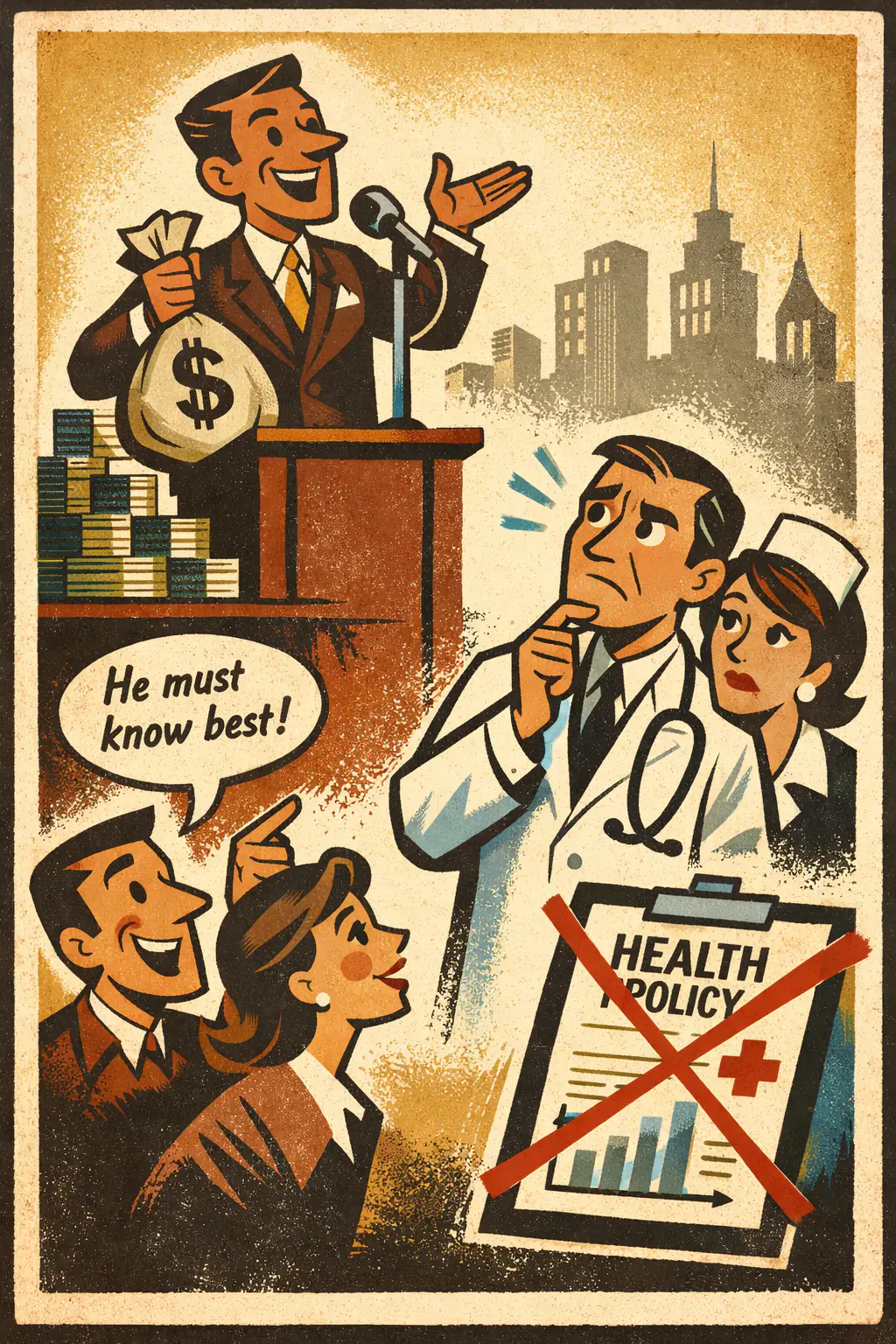
Occurs when a claim is treated as more credible or correct mainly because it comes from a rich, famous, or financially successful person.
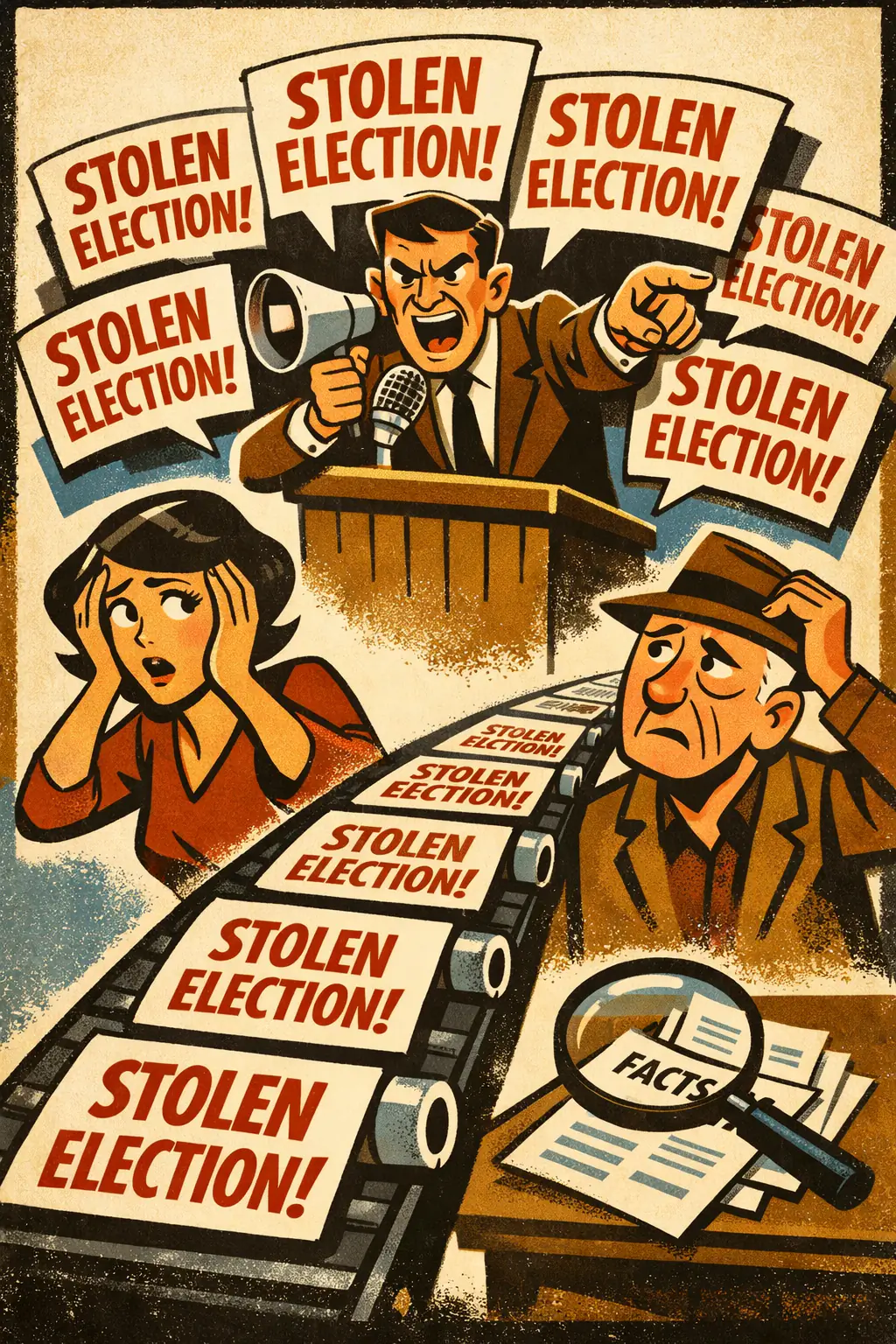
Occurs when repetition is treated as if it adds evidence, wearing down doubt or making a claim seem true through familiarity.
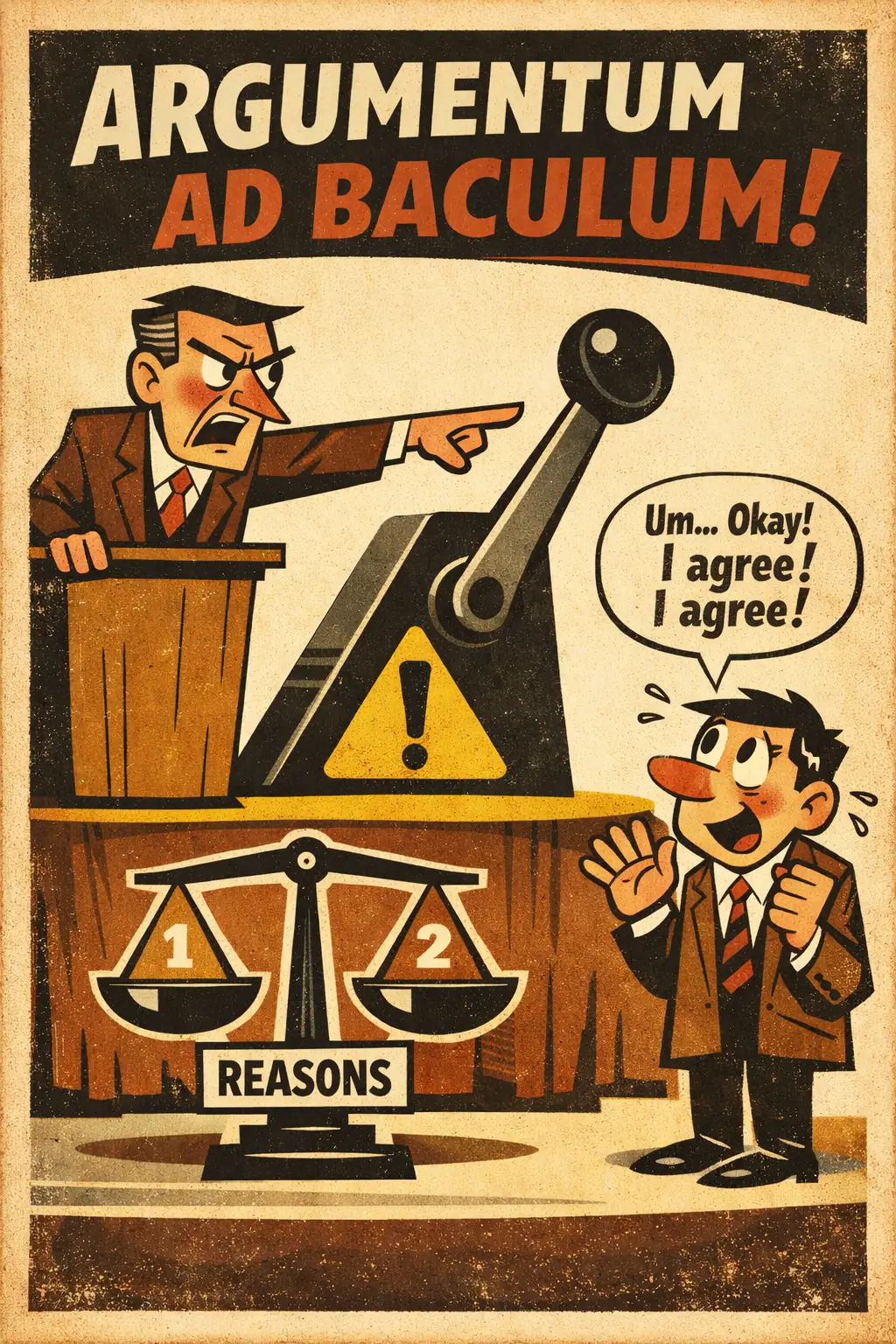
Occurs when agreement is extracted by threat, intimidation, or coercive pressure rather than by showing that the claim is true.
Occurs when a claim is accepted or dismissed because of some irrelevant association rather than because of the merits of the claim itself.

Occurs when a contested claim is simply asserted, often confidently, without the evidence needed to justify it.
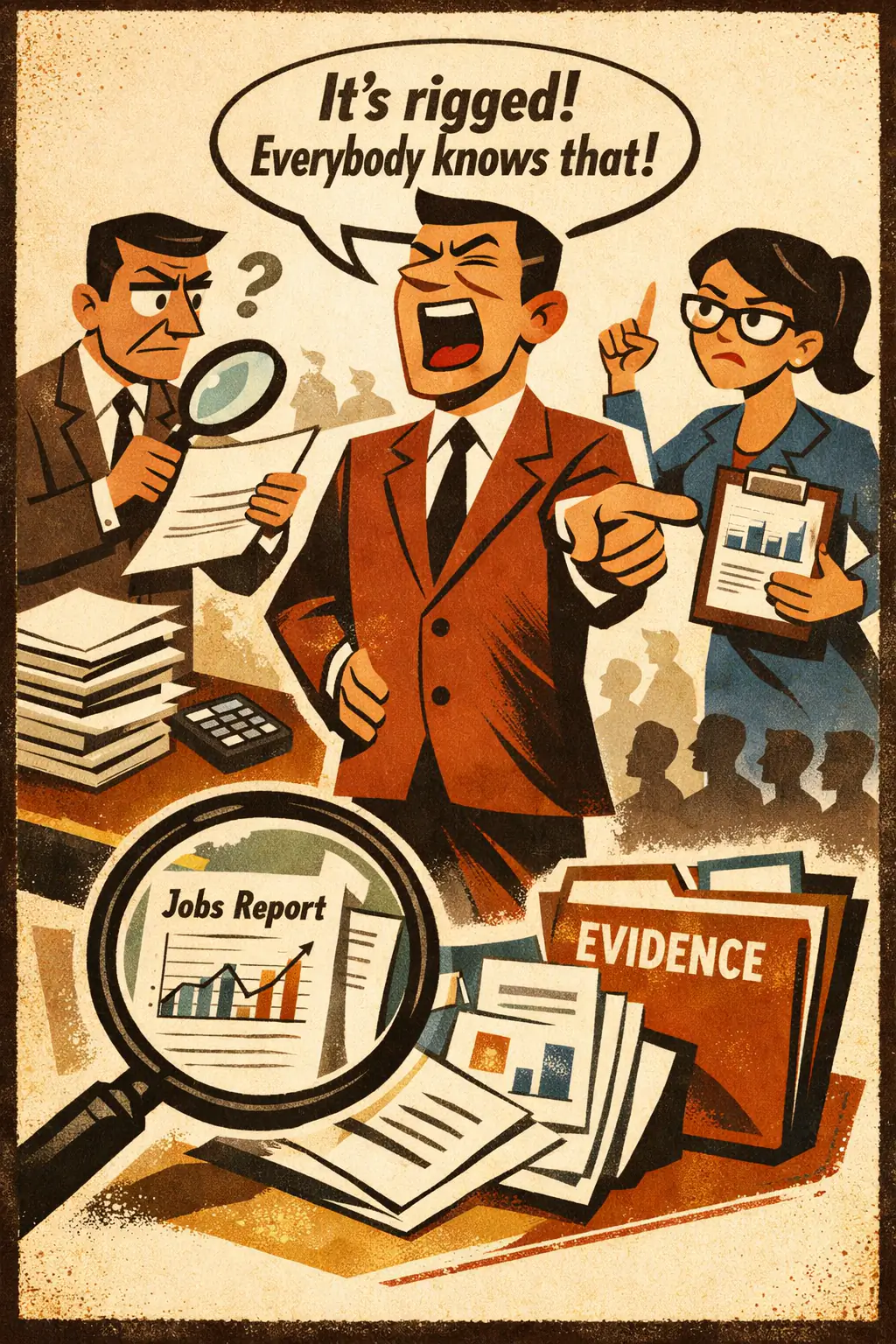
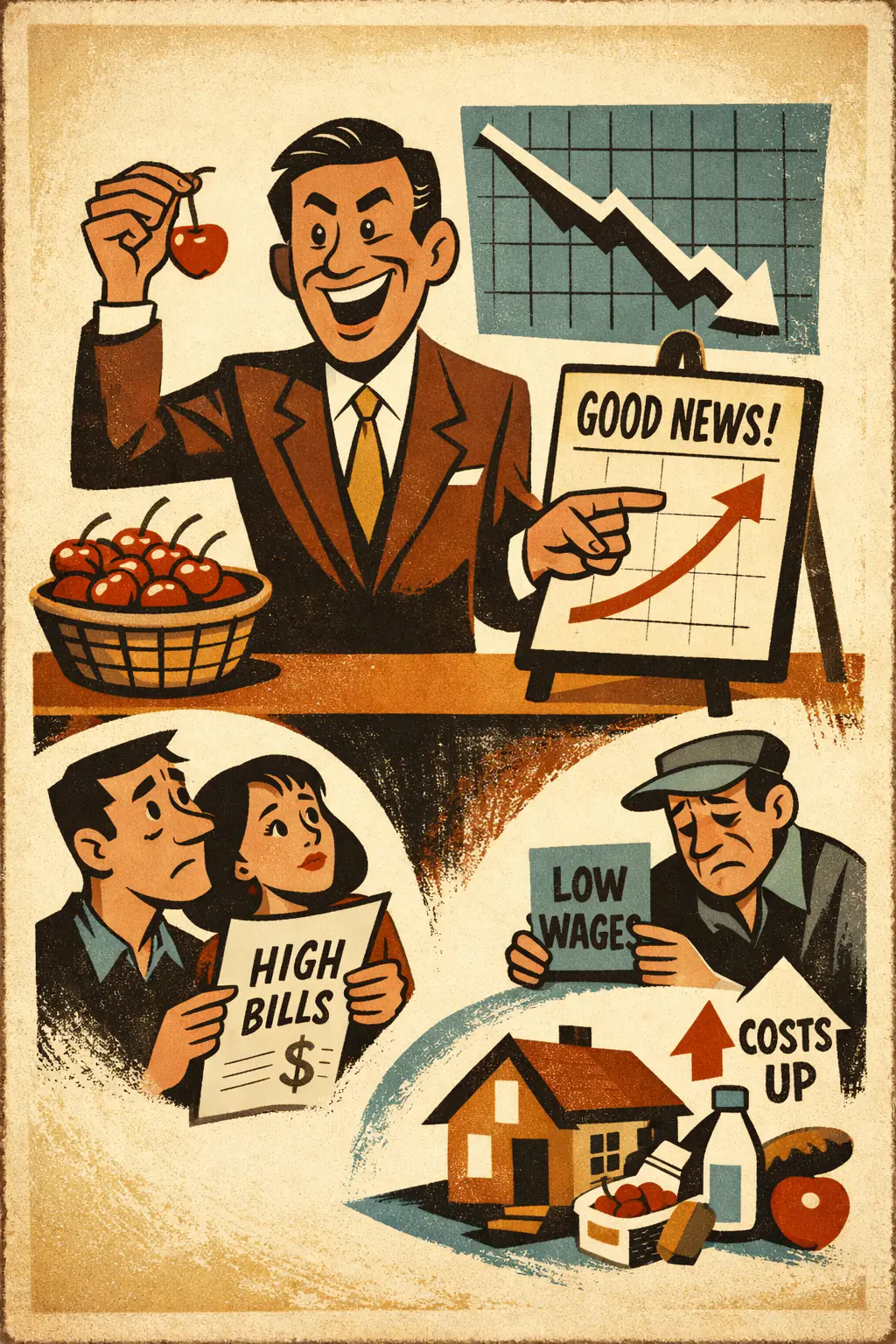
Occurs when someone selects only the evidence that supports a conclusion and ignores a wider body of evidence that weakens, qualifies, or reverses it.
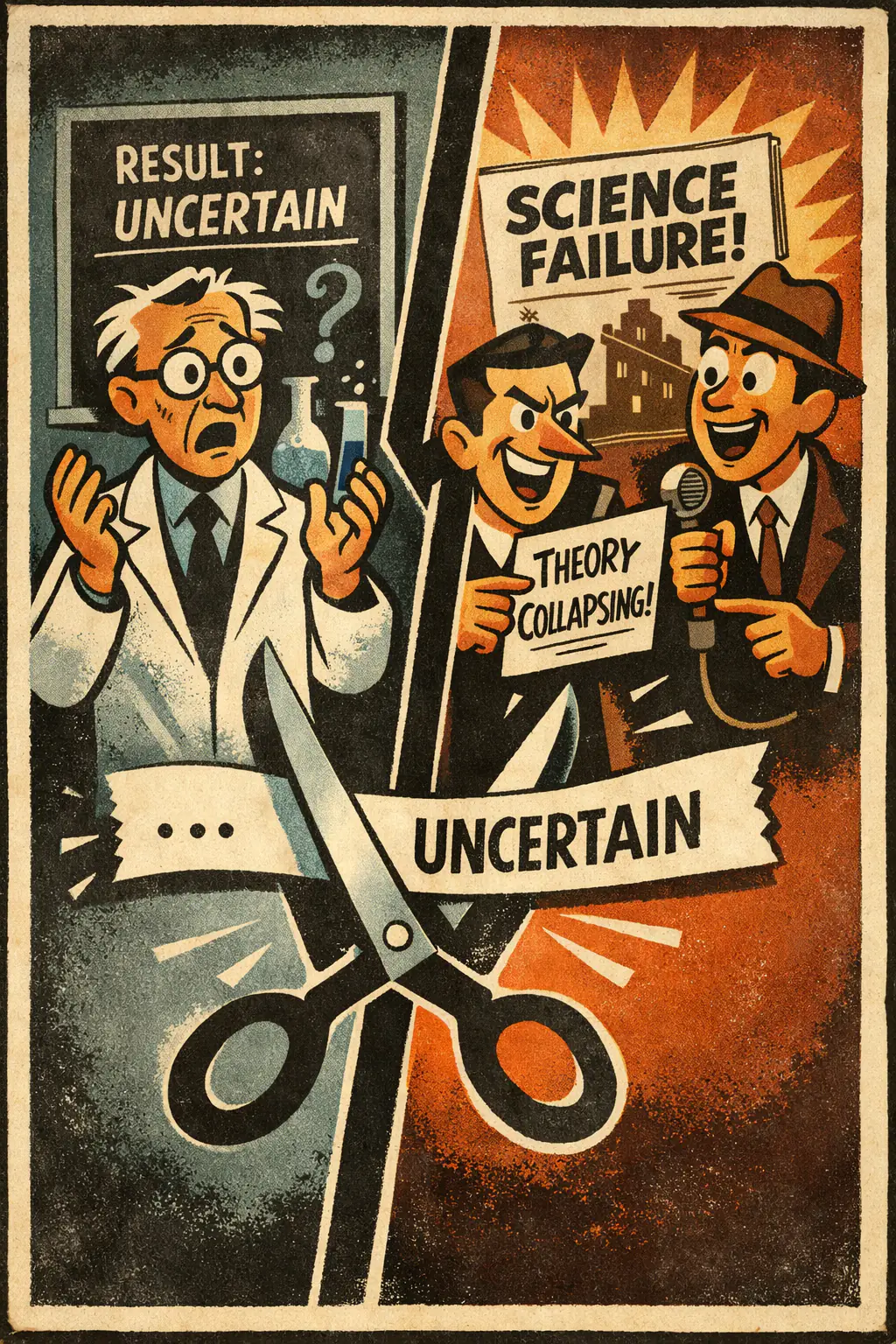
Occurs when words are selectively excerpted from their original context in a way that changes or distorts what the speaker meant.
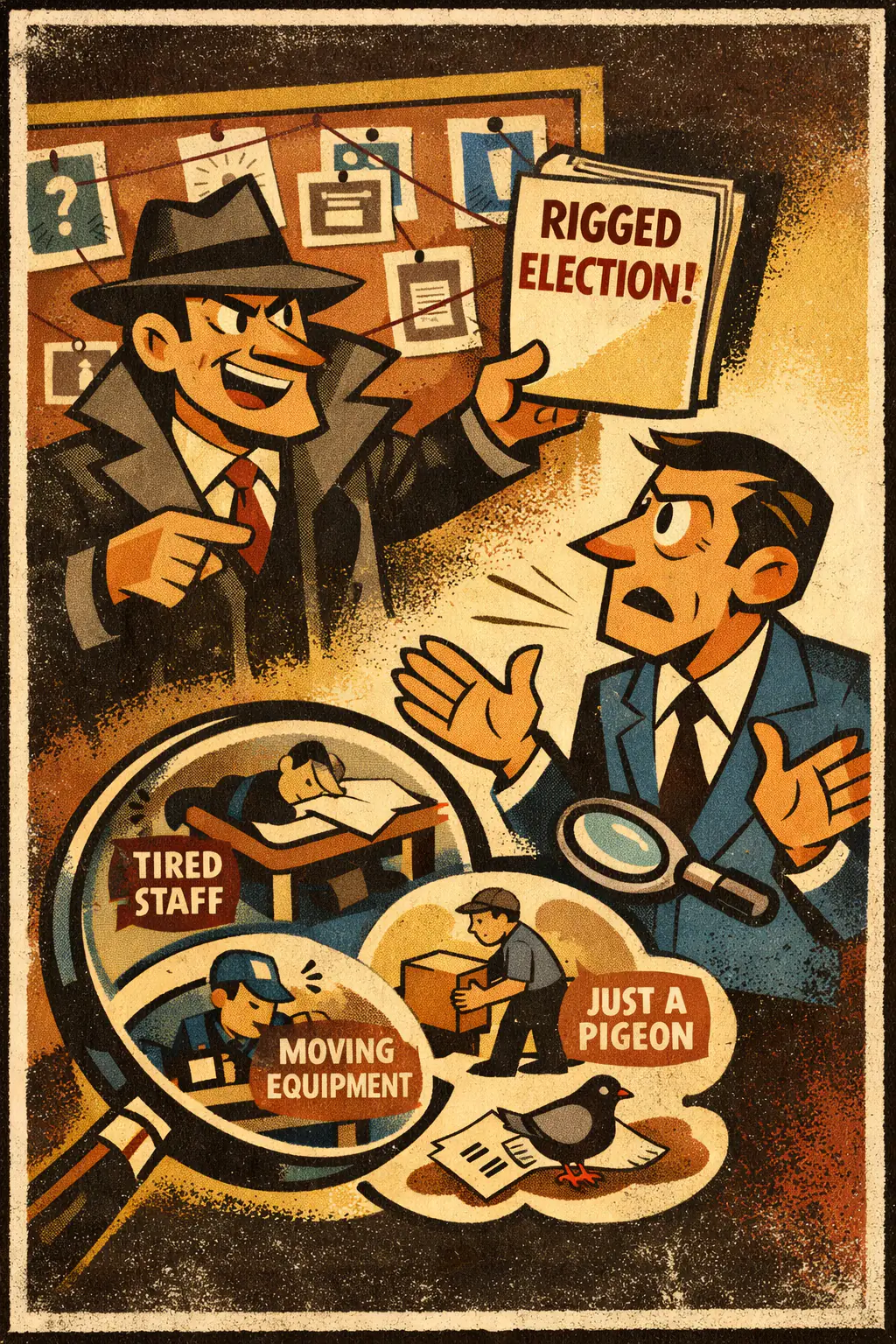
Occurs when someone tries to protect a claim by insisting that critics must prove the claim false instead of the claimant first supplying adequate support.
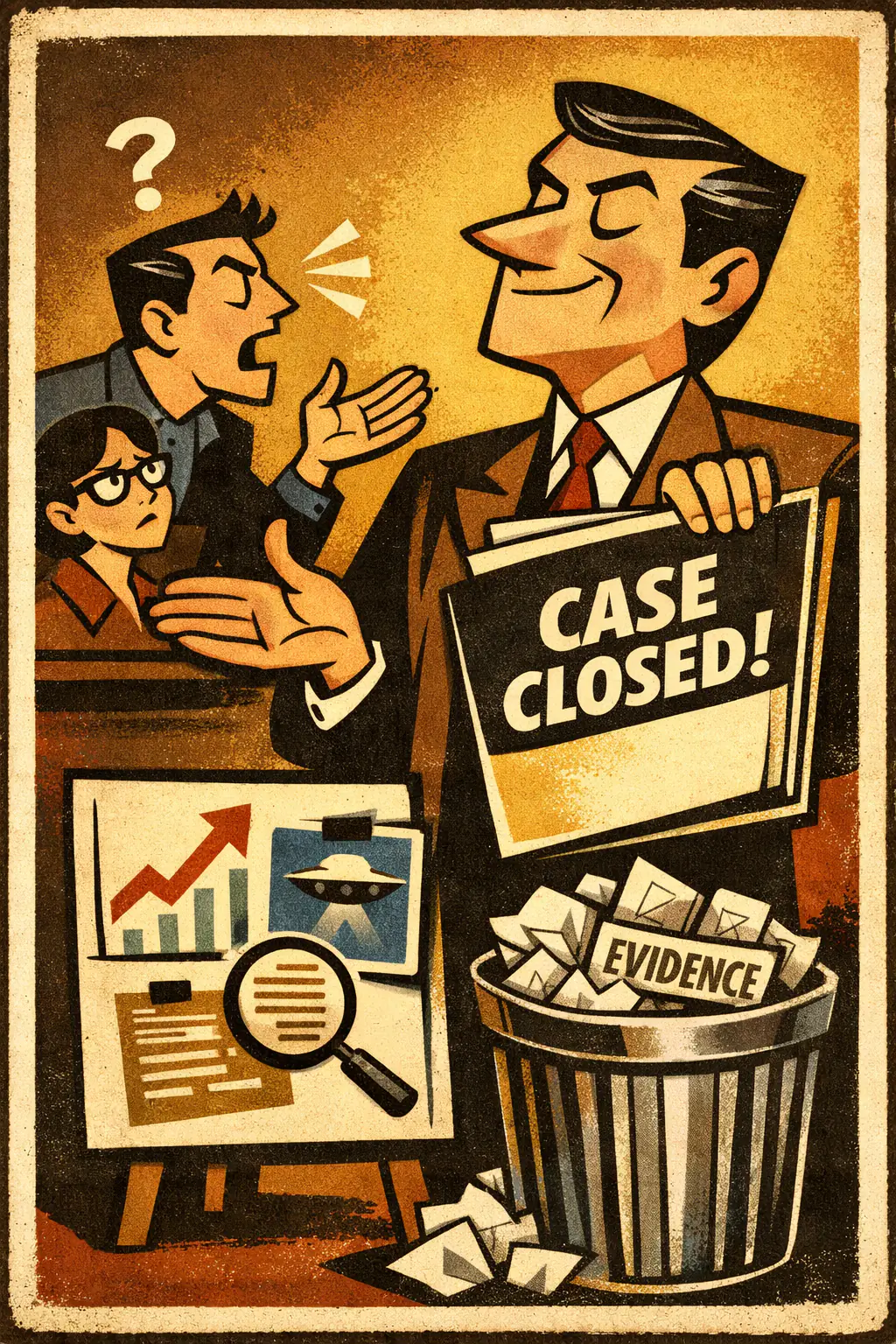
Occurs when someone declares an argument false, debunked, or dishonest without identifying the specific flaw that would actually show it is false.
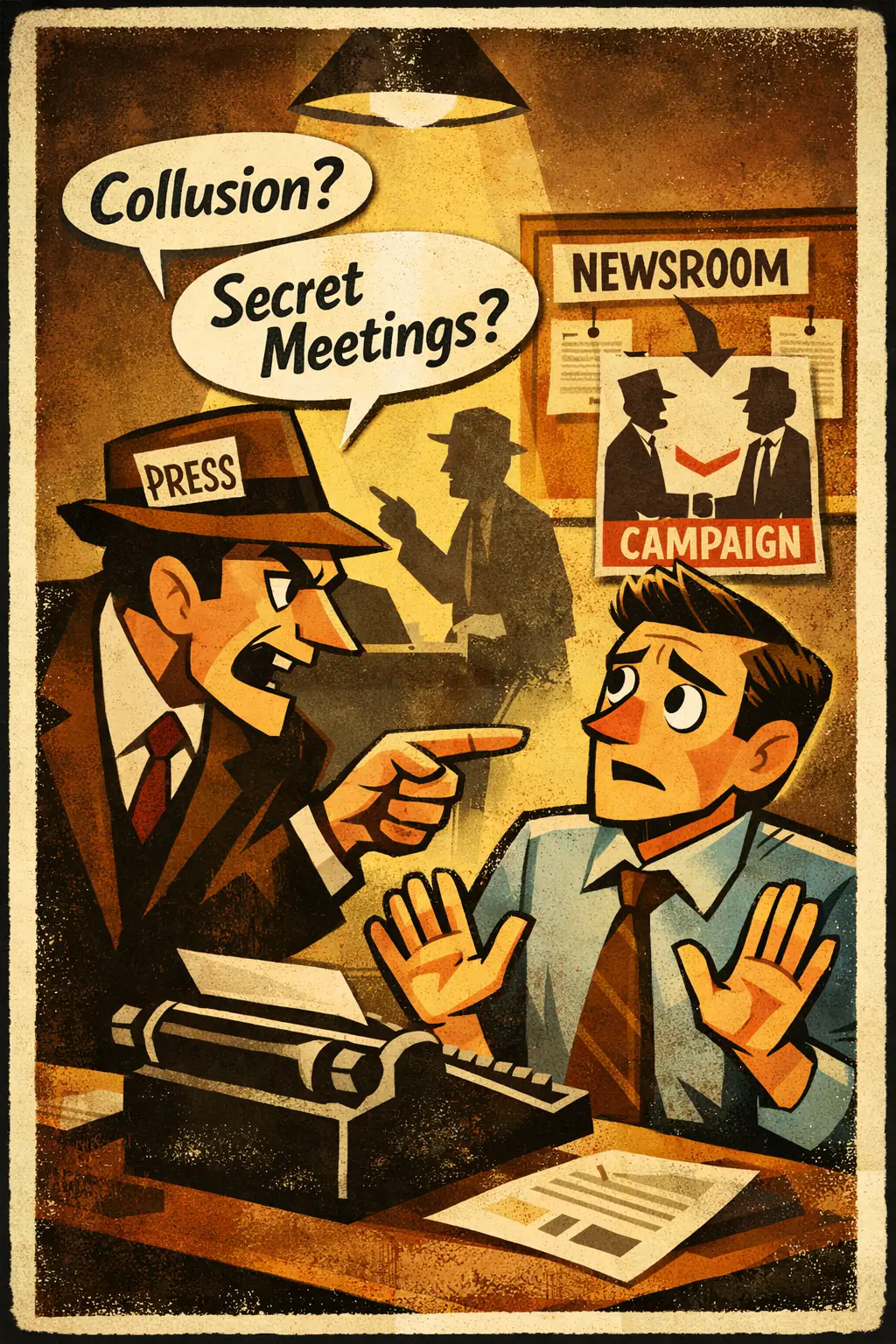
Occurs when a question smuggles in one or more assumptions that have not been established, then pressures the listener to answer as if those assumptions were already sett...
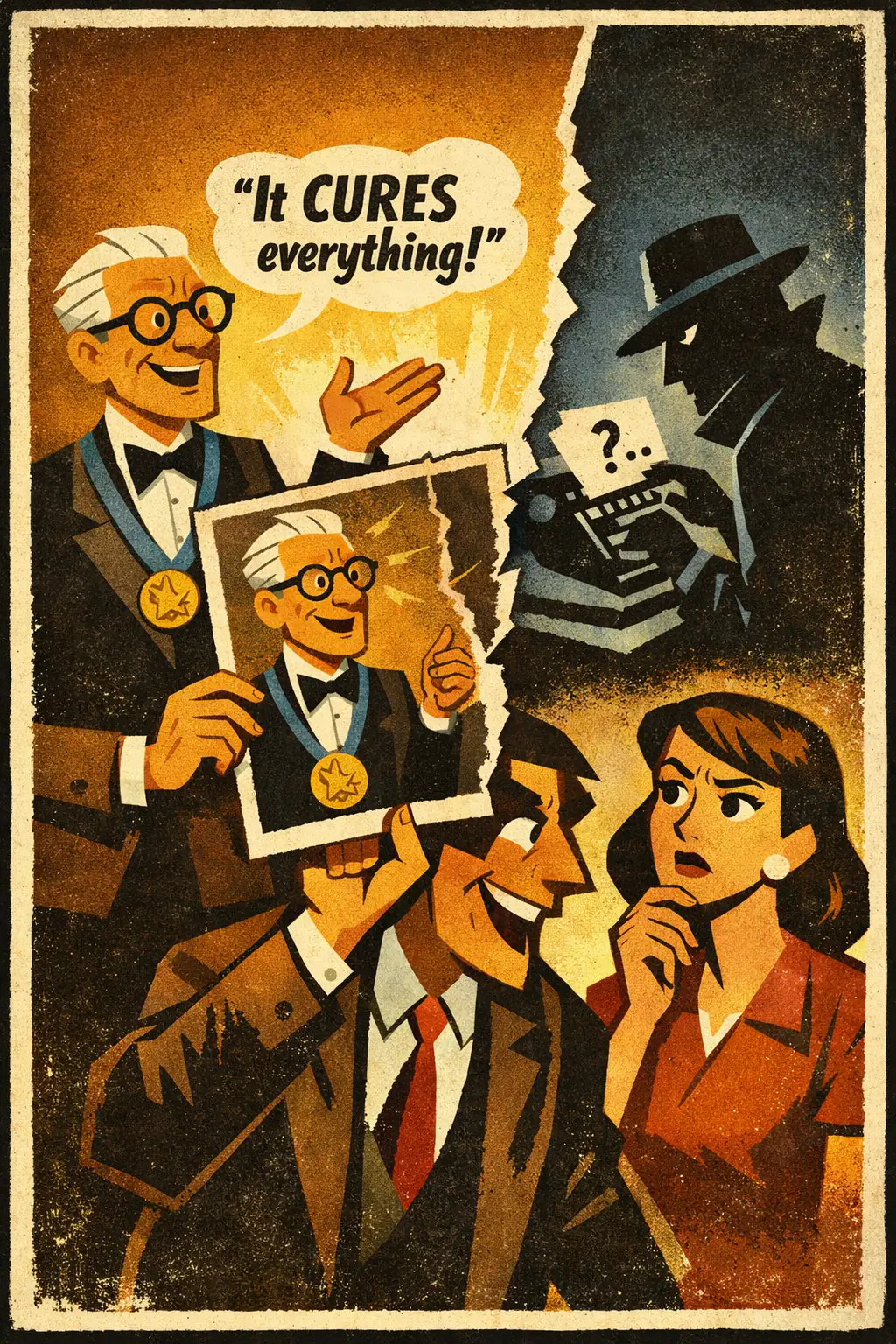
Occurs when support for a claim is borrowed from a source that is fabricated, misquoted, unqualified, anonymous in the wrong way, or otherwise not what it is presented to...
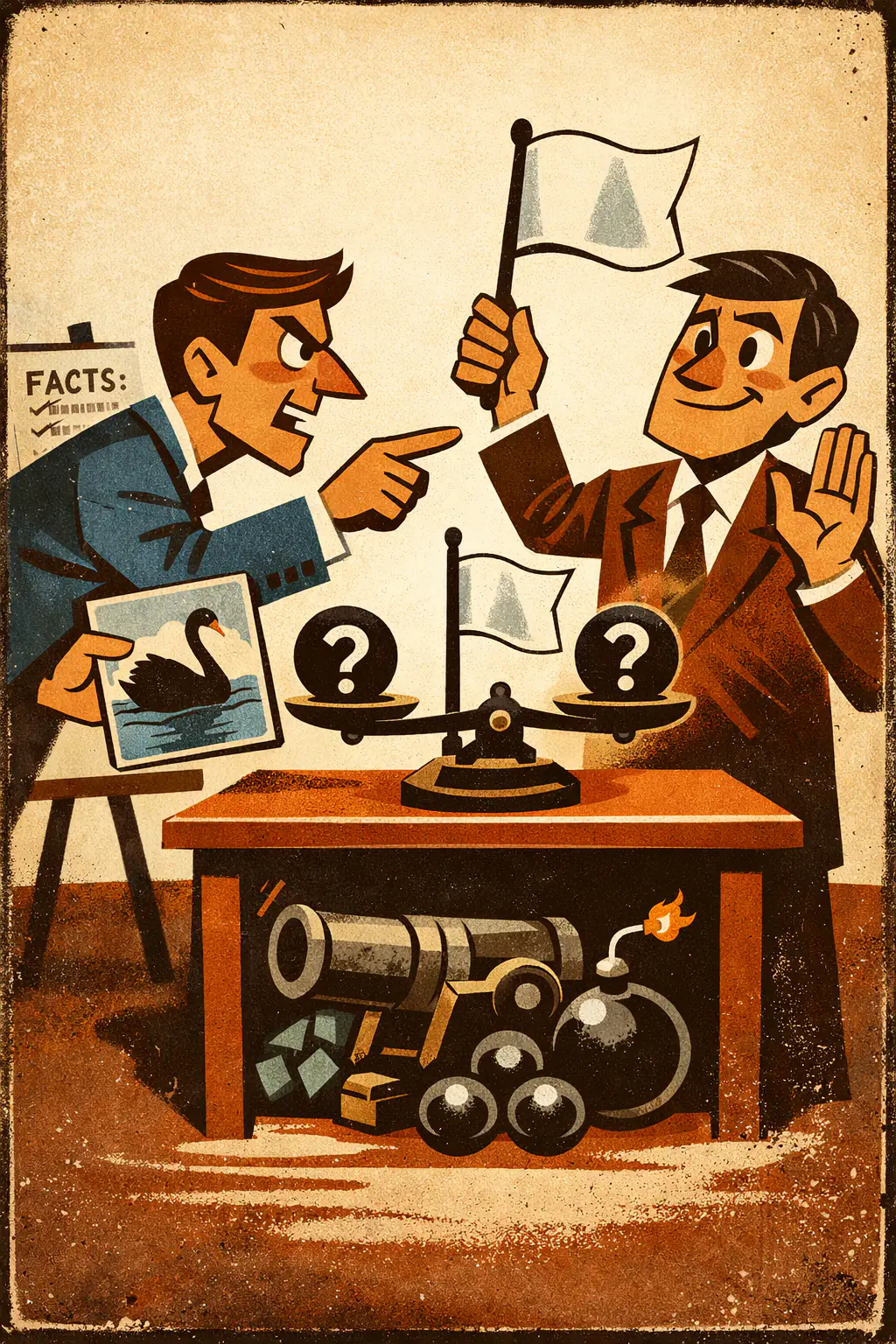
Occurs when someone calls for a truce, balance, or 'agree to disagree' posture not because the evidence is genuinely inconclusive, but because their position is under pre...
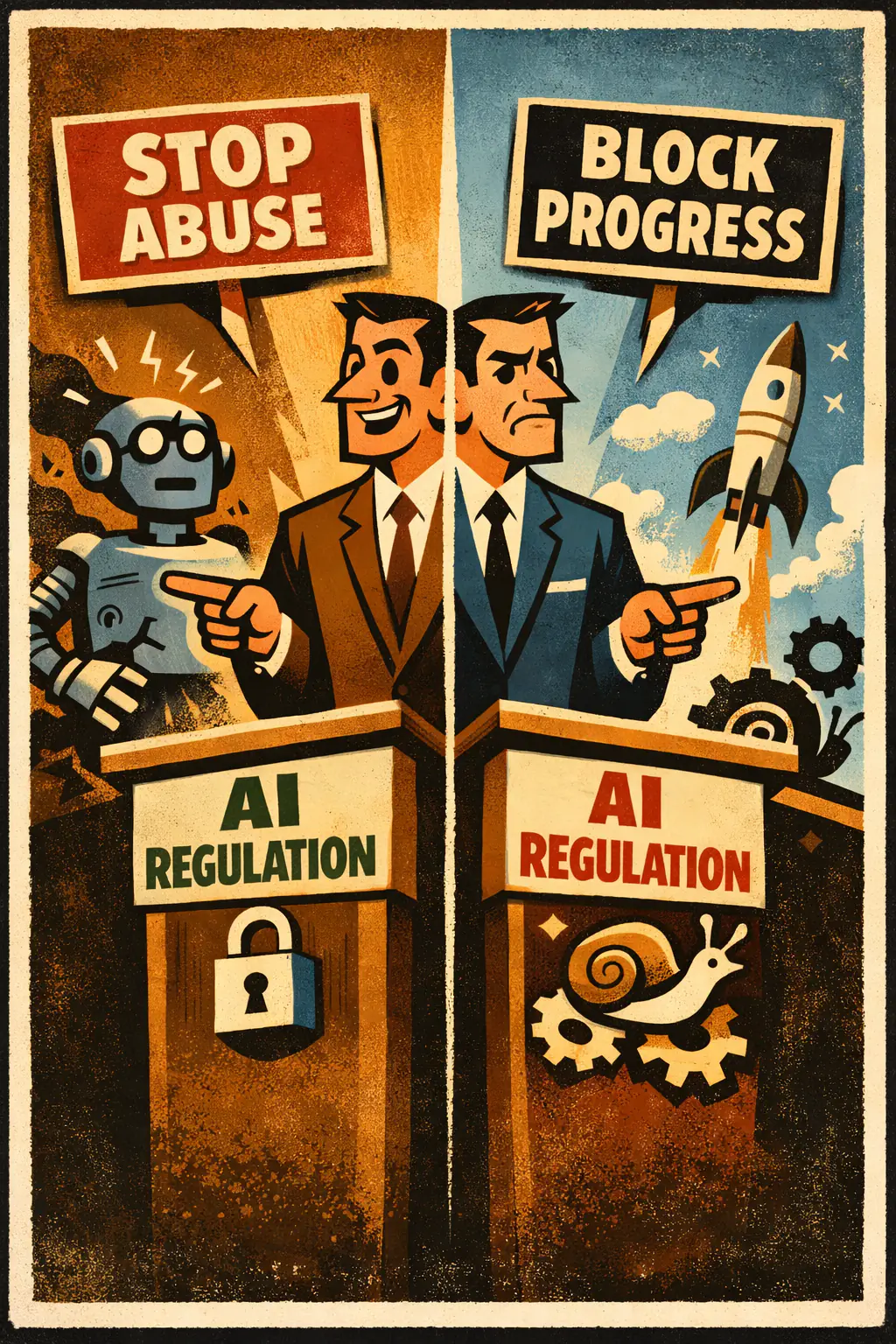
Occurs when someone uses strategically shifting language that seems to support both sides by quietly changing the meaning of the key term to suit the audience.
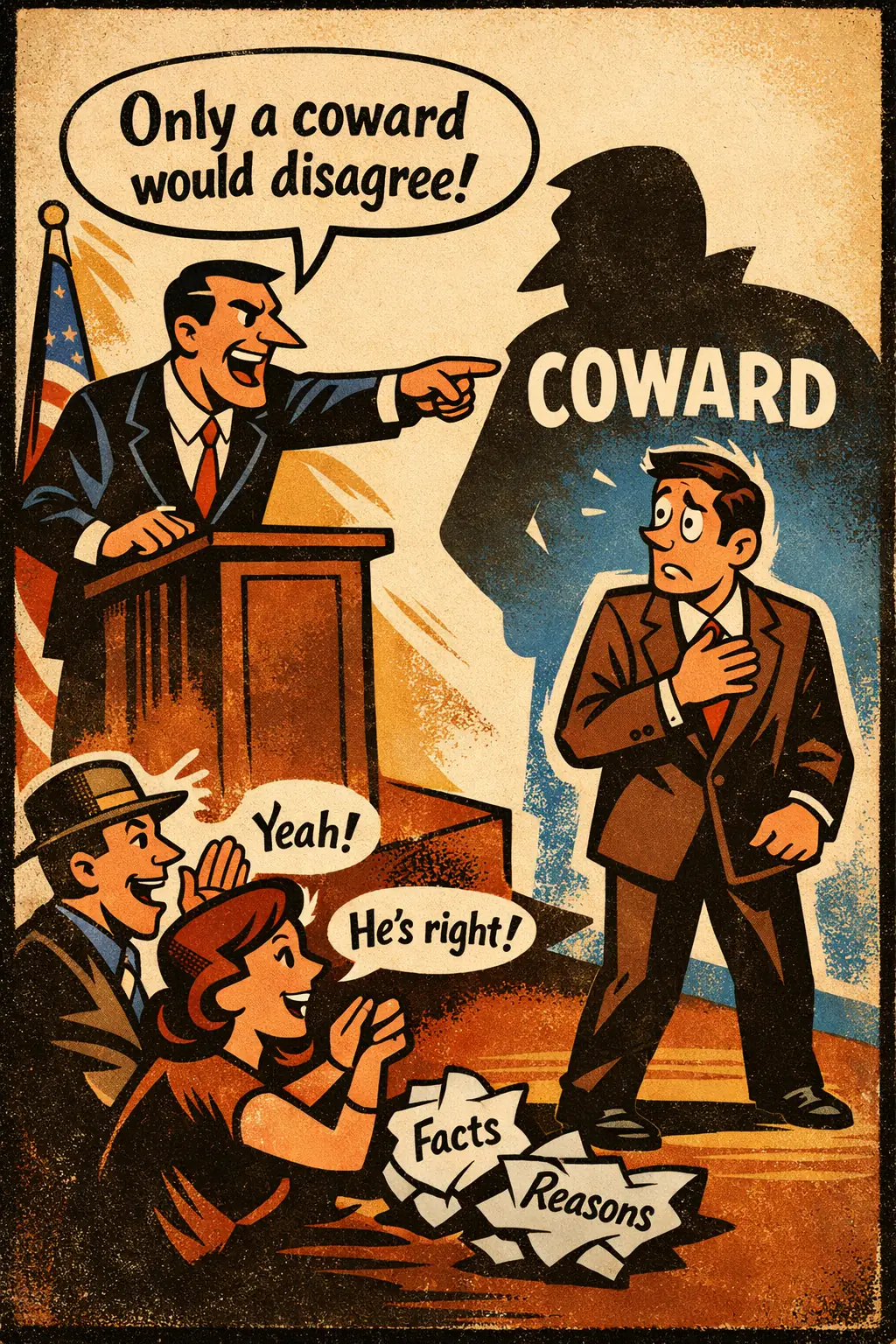
Occurs when pejorative, loaded, or insulting language is used to steer judgment in place of actual support for the conclusion.
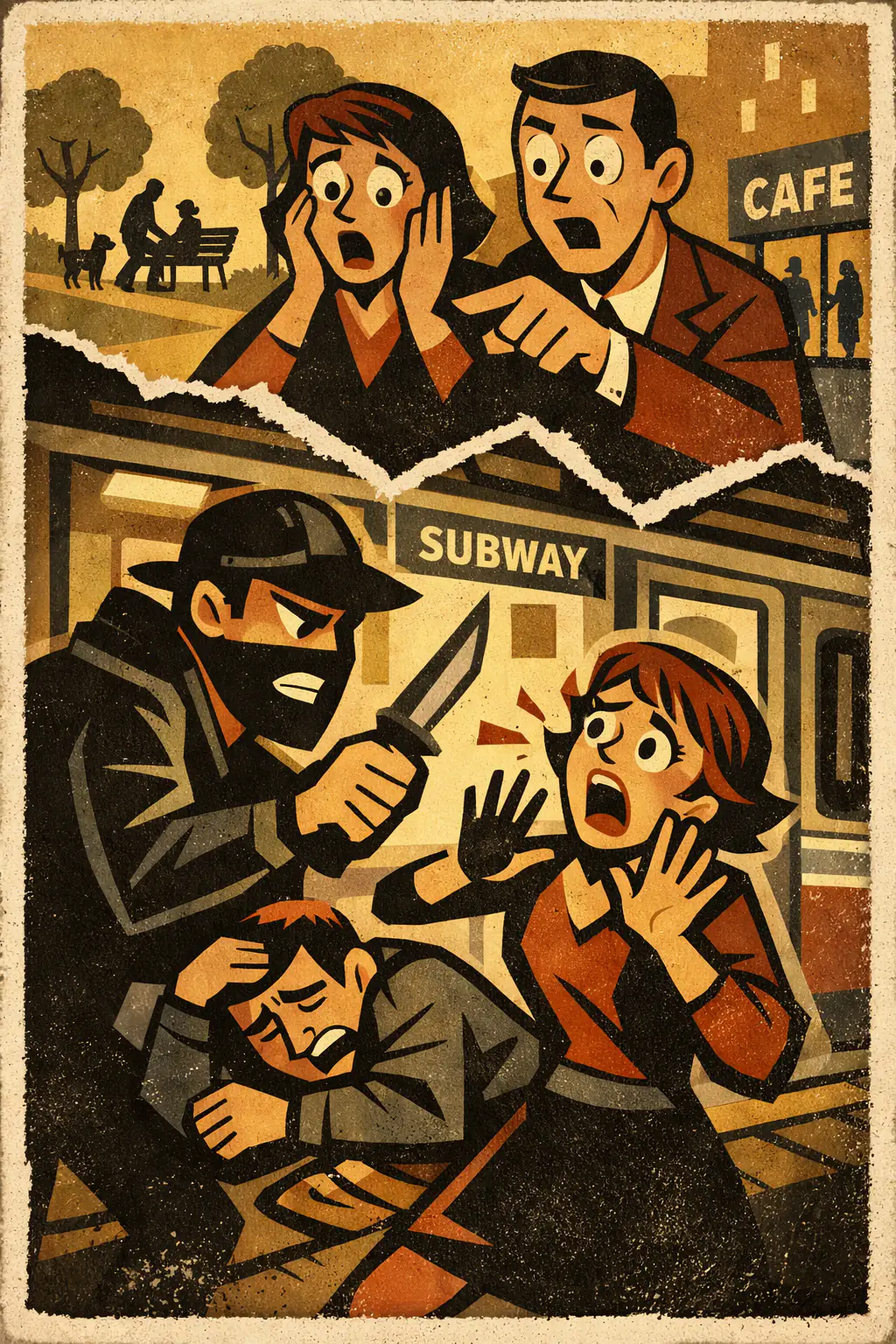
Occurs when a striking anecdote or emotionally intense case is used to make a problem seem more common, clear, or representative than the broader evidence allows.
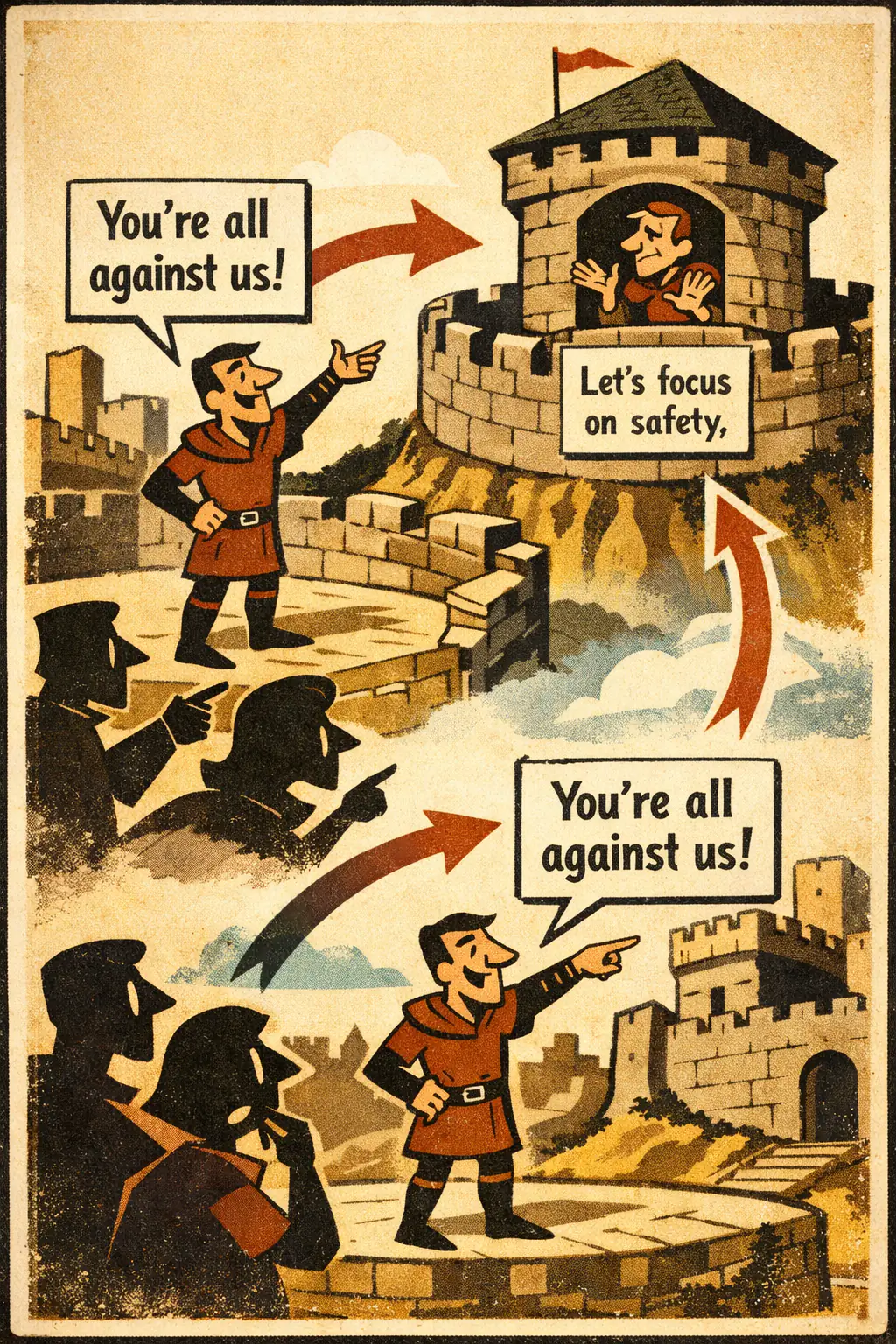
Occurs when someone advances a bold, controversial claim, retreats under criticism to a weaker and easier-to-defend claim, and then returns to the stronger claim as if th...
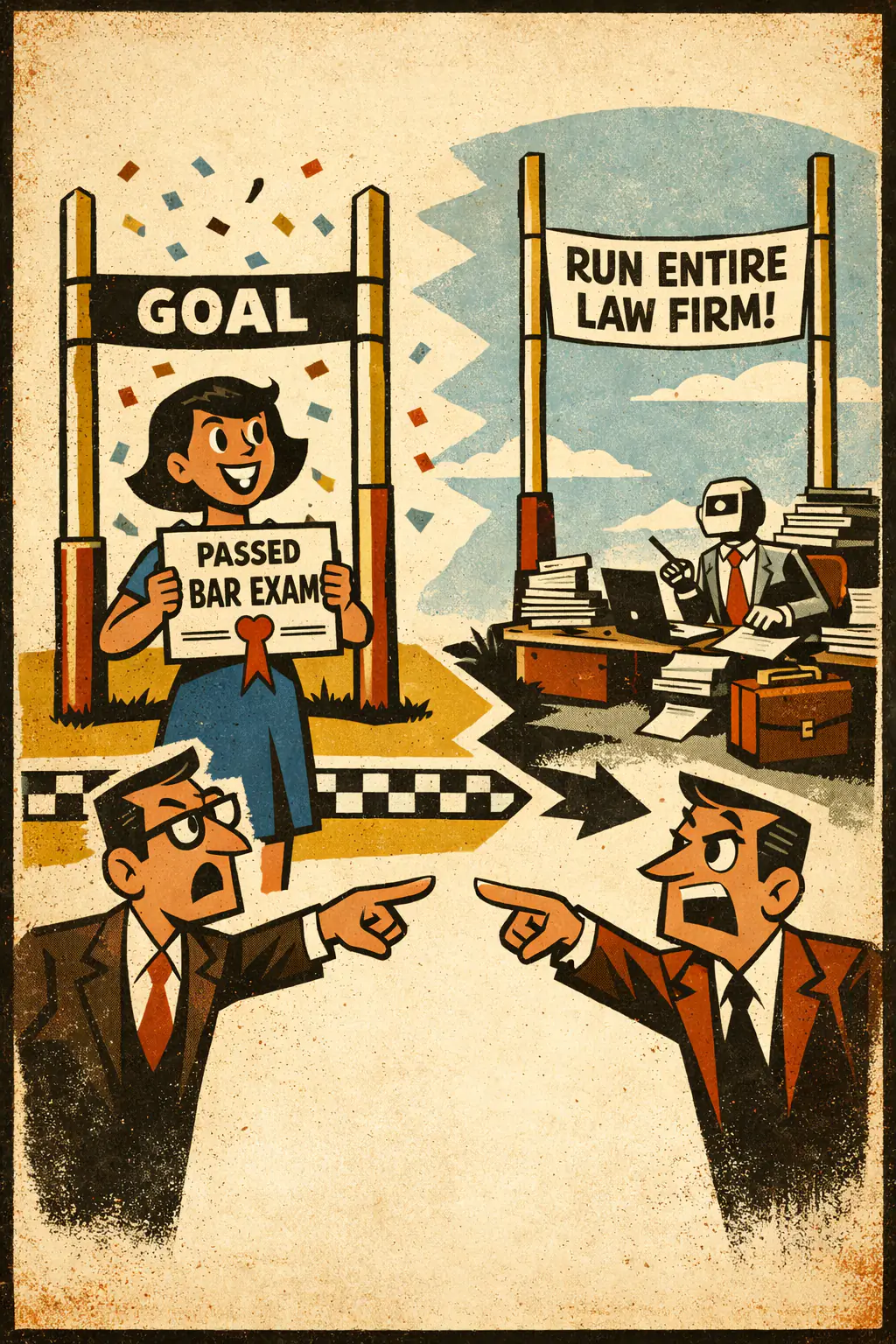
Occurs when evidence that was supposed to satisfy a stated standard is dismissed and a new, harder standard is introduced so the conclusion never has to be reconsidered.
Occurs when an analogy is deliberately stretched past its intended point so it can be mocked or refuted.

Occurs when negative framing is introduced in advance so that whatever a person says next will be dismissed before it is fairly heard.
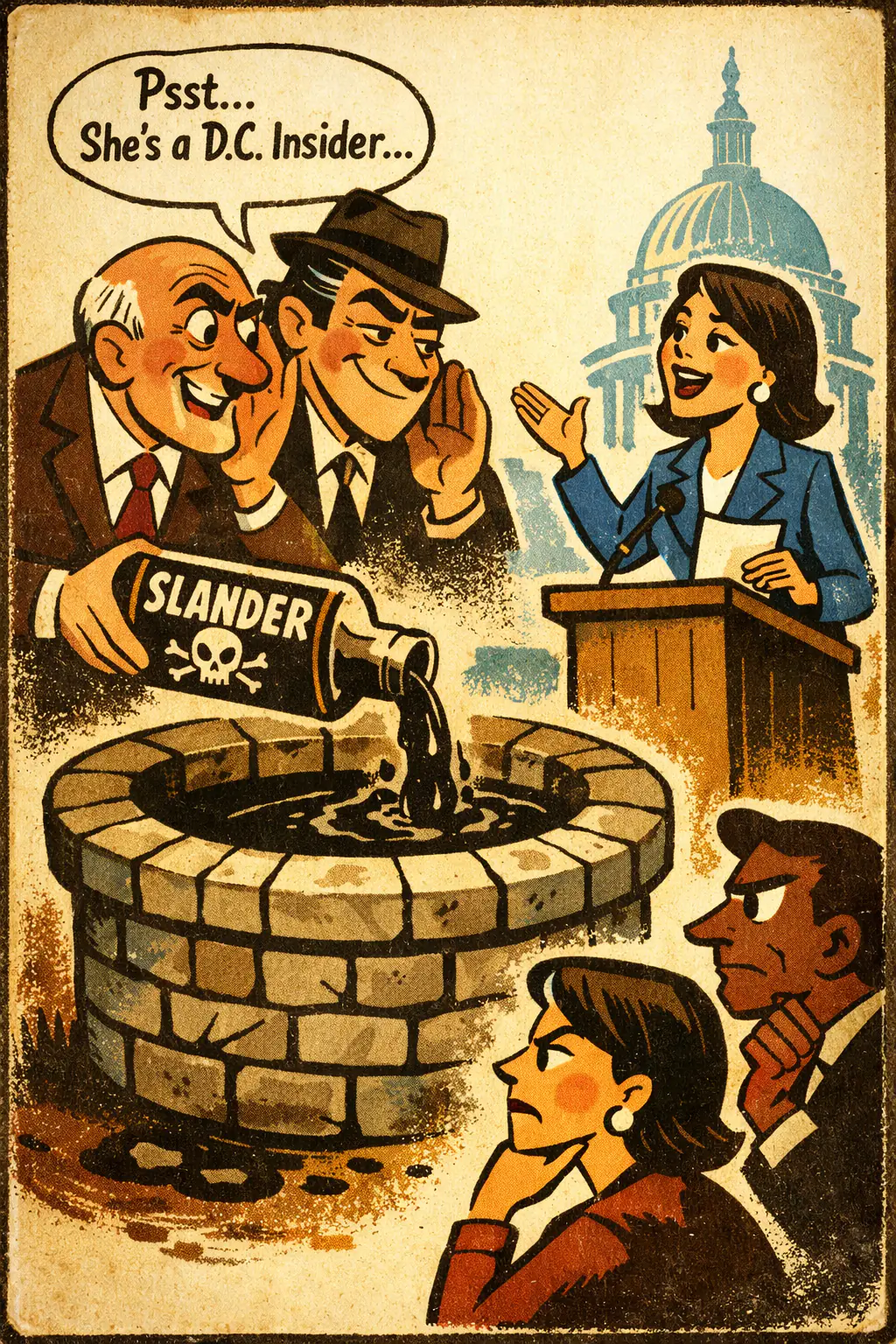
Occurs when a claim is protected by an avalanche of words, side points, jargon, or branching assertions that overwhelm reasonable scrutiny and create the illusion of dept...
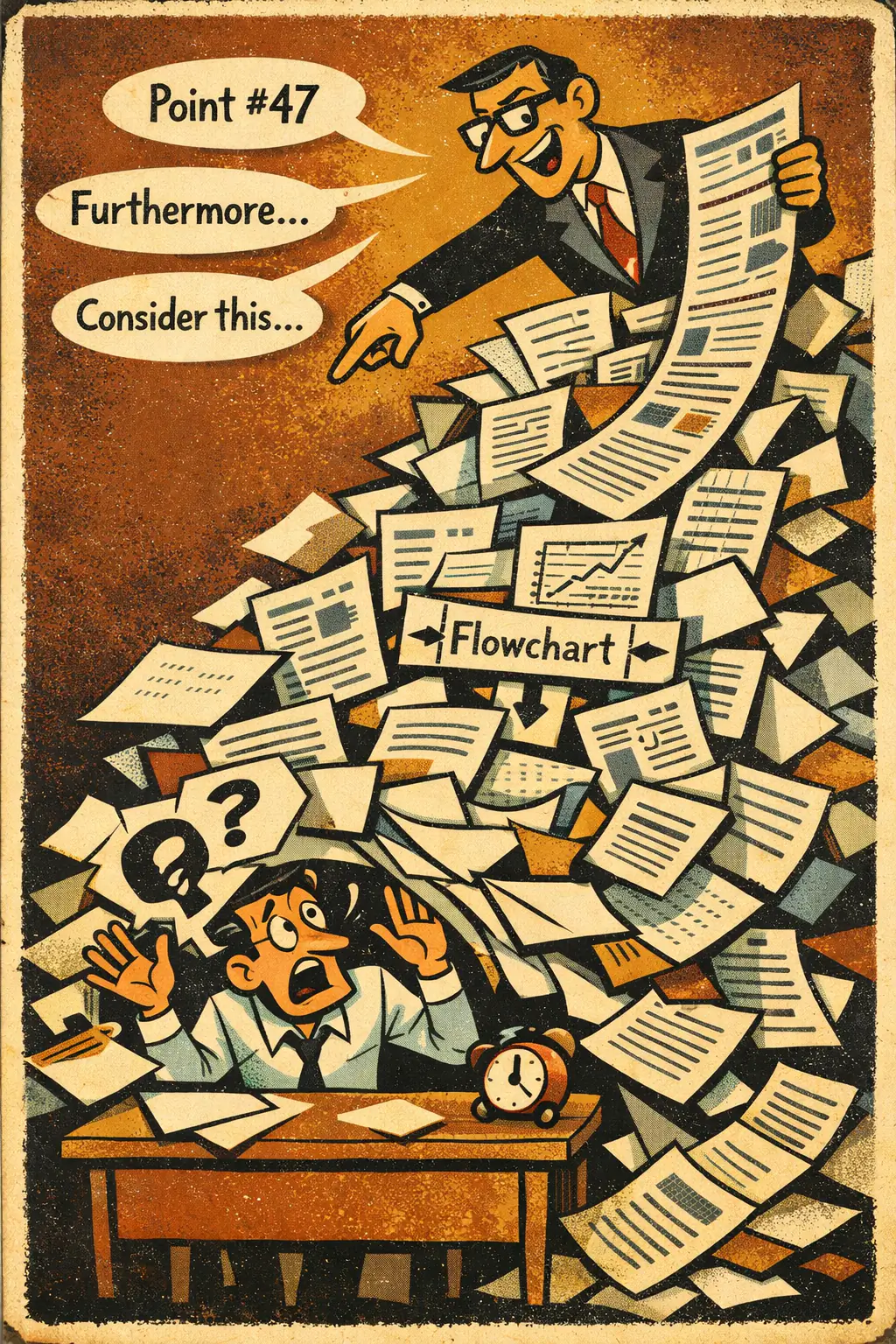
Occurs when someone diverts attention from the unresolved issue by switching to a different issue that is easier, safer, or more emotionally useful.
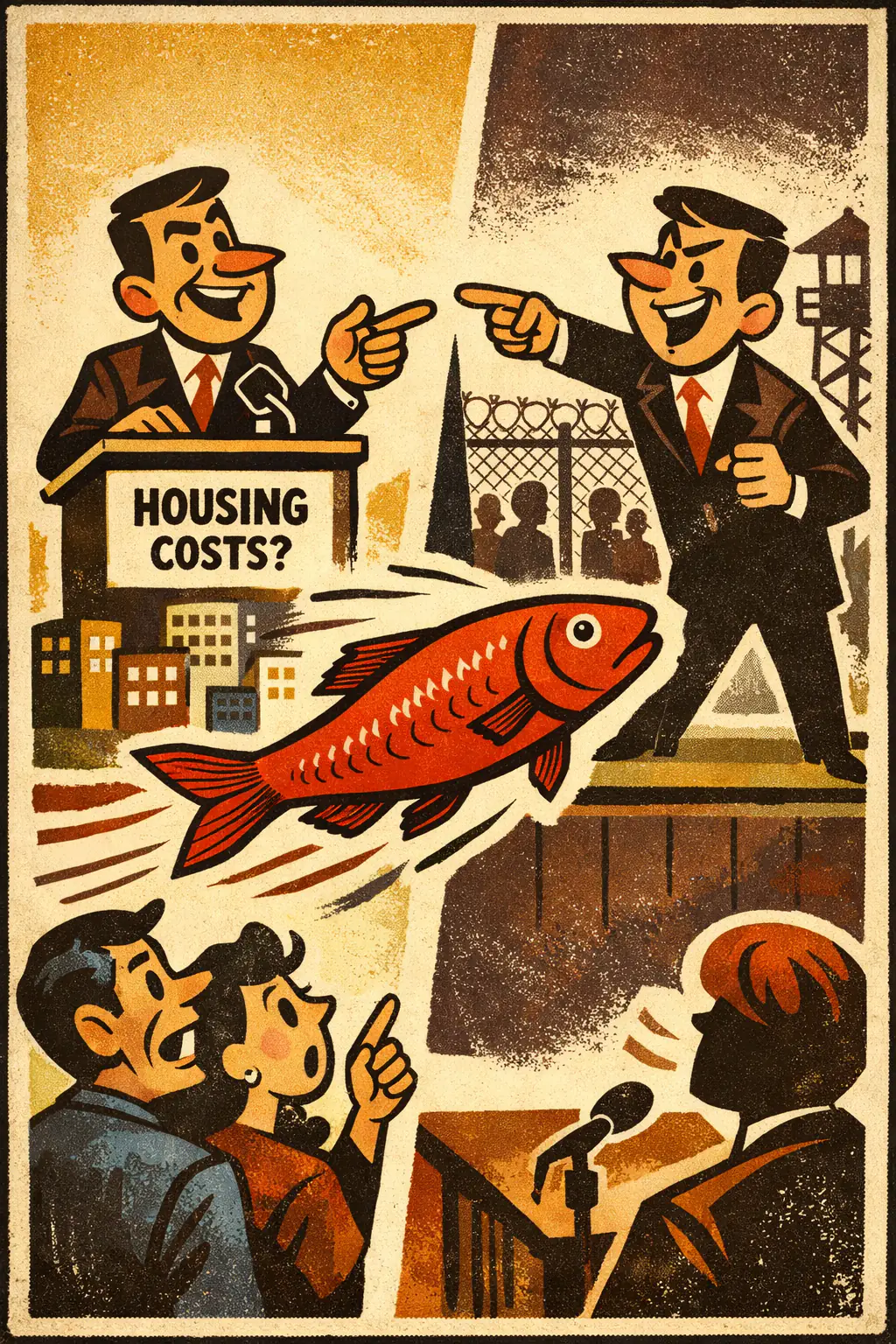
Occurs when someone replaces an opponent's actual position with a weaker, more extreme, or simplified version and then refutes that easier target.
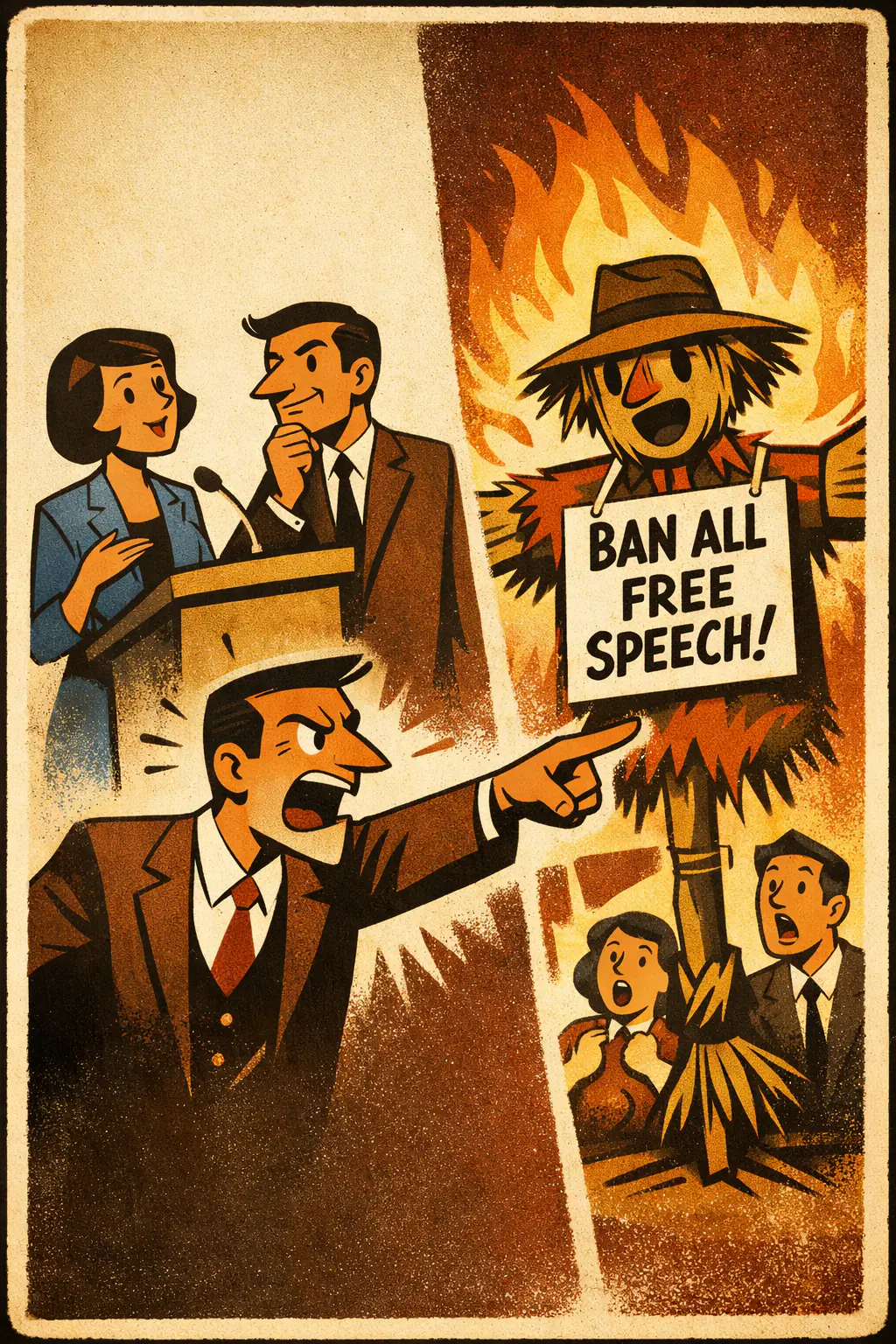
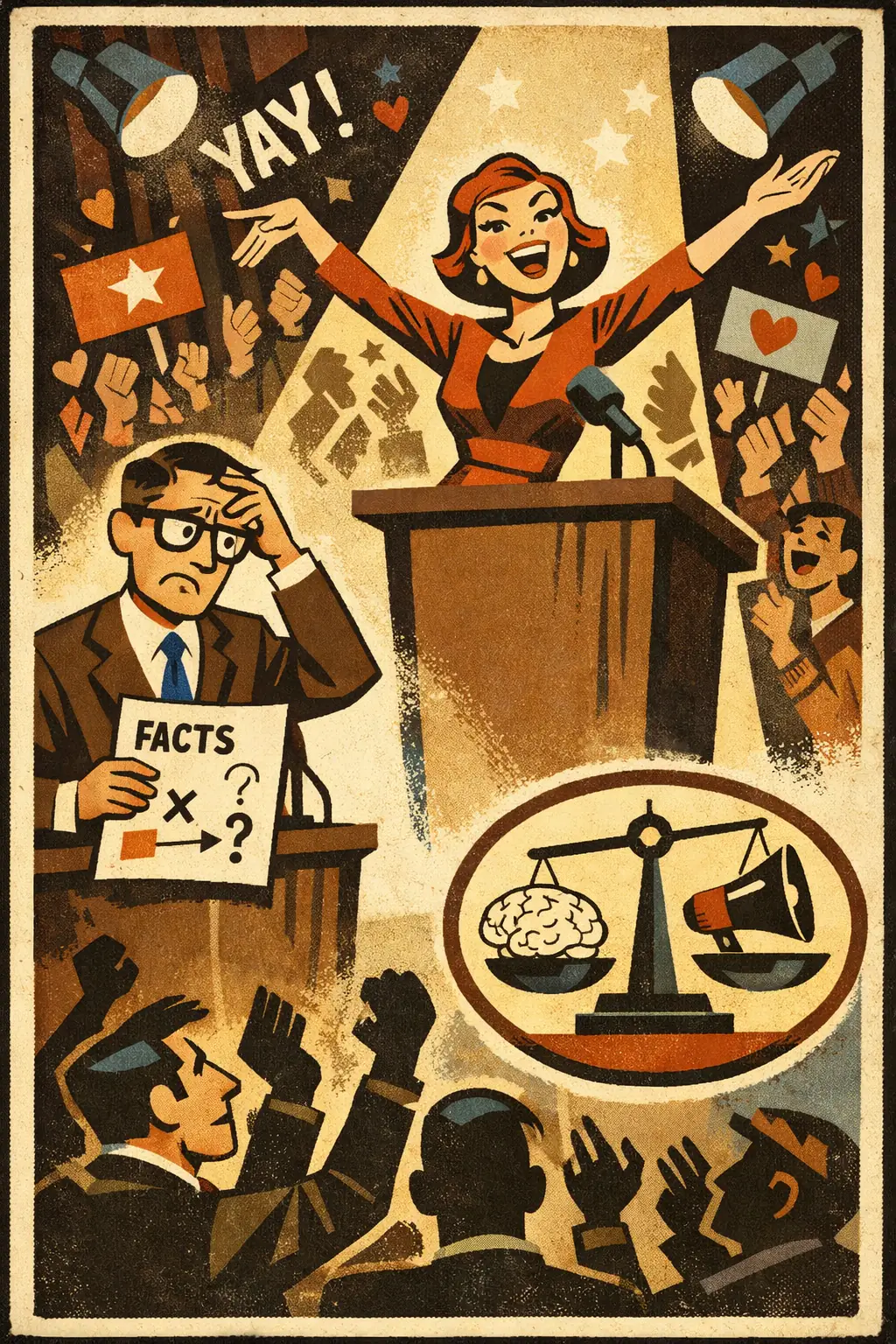
Occurs when the polish, confidence, charisma, or dramatic force of a presentation is treated as if it established the quality of the argument itself.
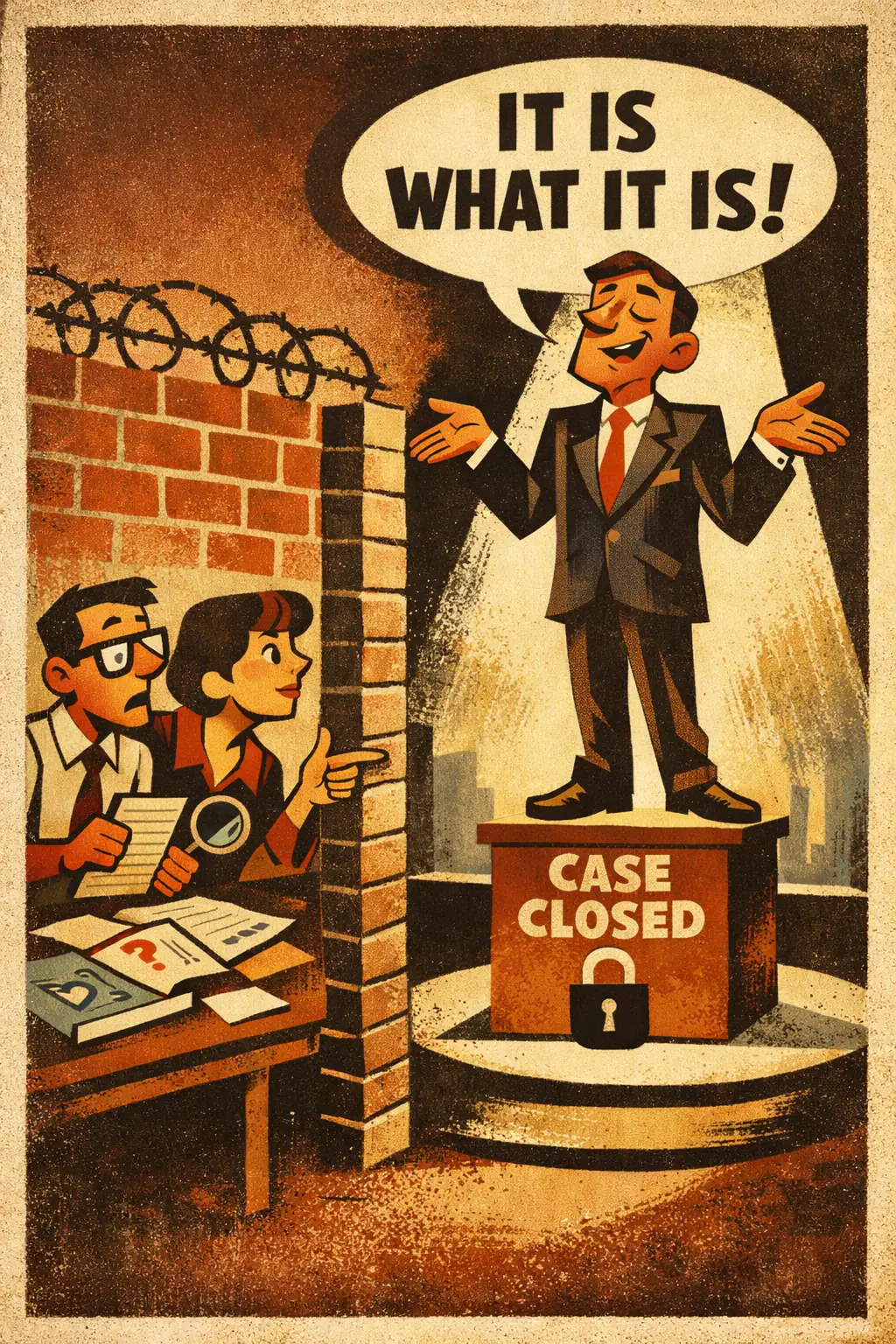
Occurs when a familiar slogan or stock phrase is used to stop inquiry, deflect scrutiny, or create the feeling that an issue has already been settled.
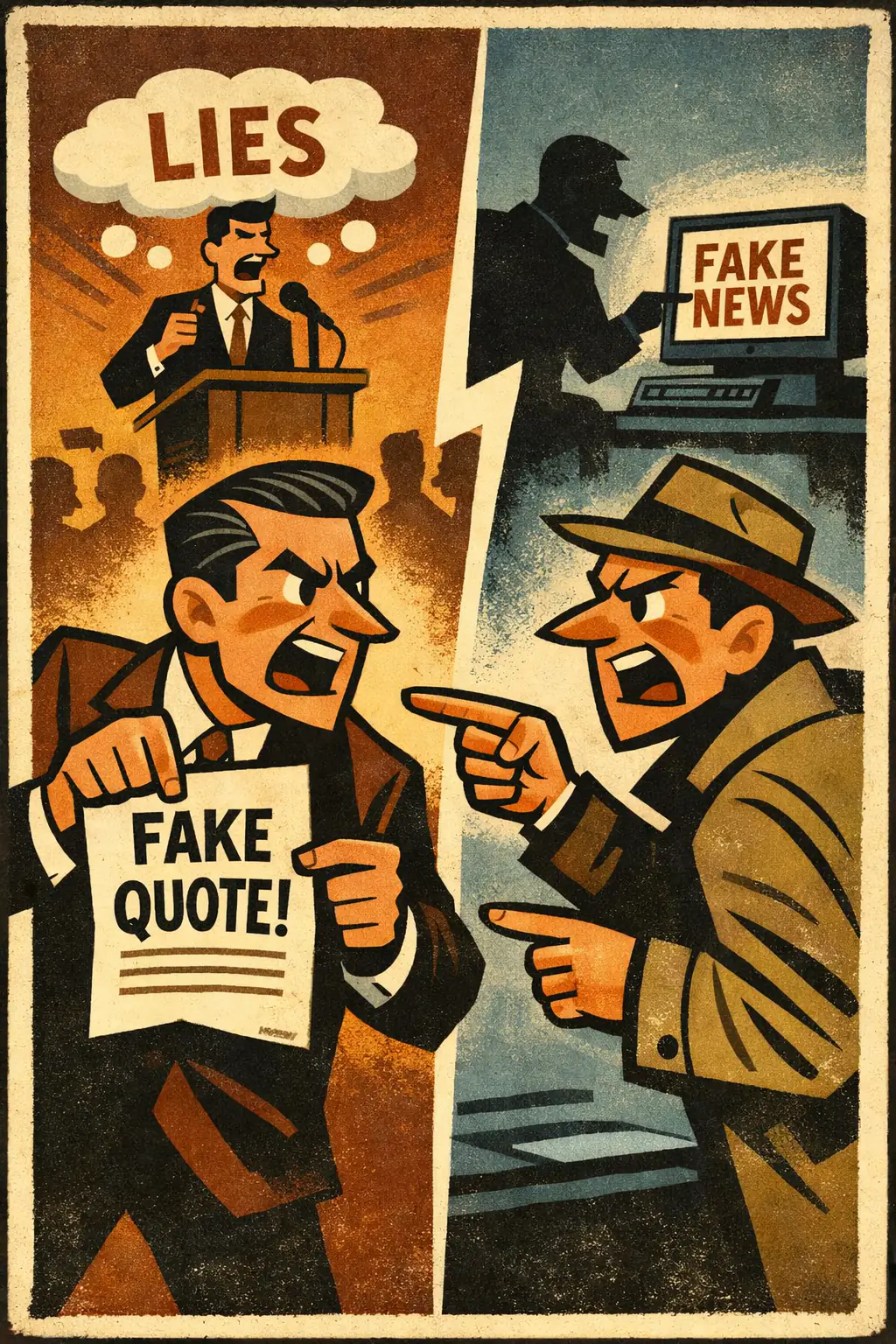
Occurs when criticism is answered not by engaging the issue, but by pointing to similar hypocrisy or wrongdoing elsewhere.
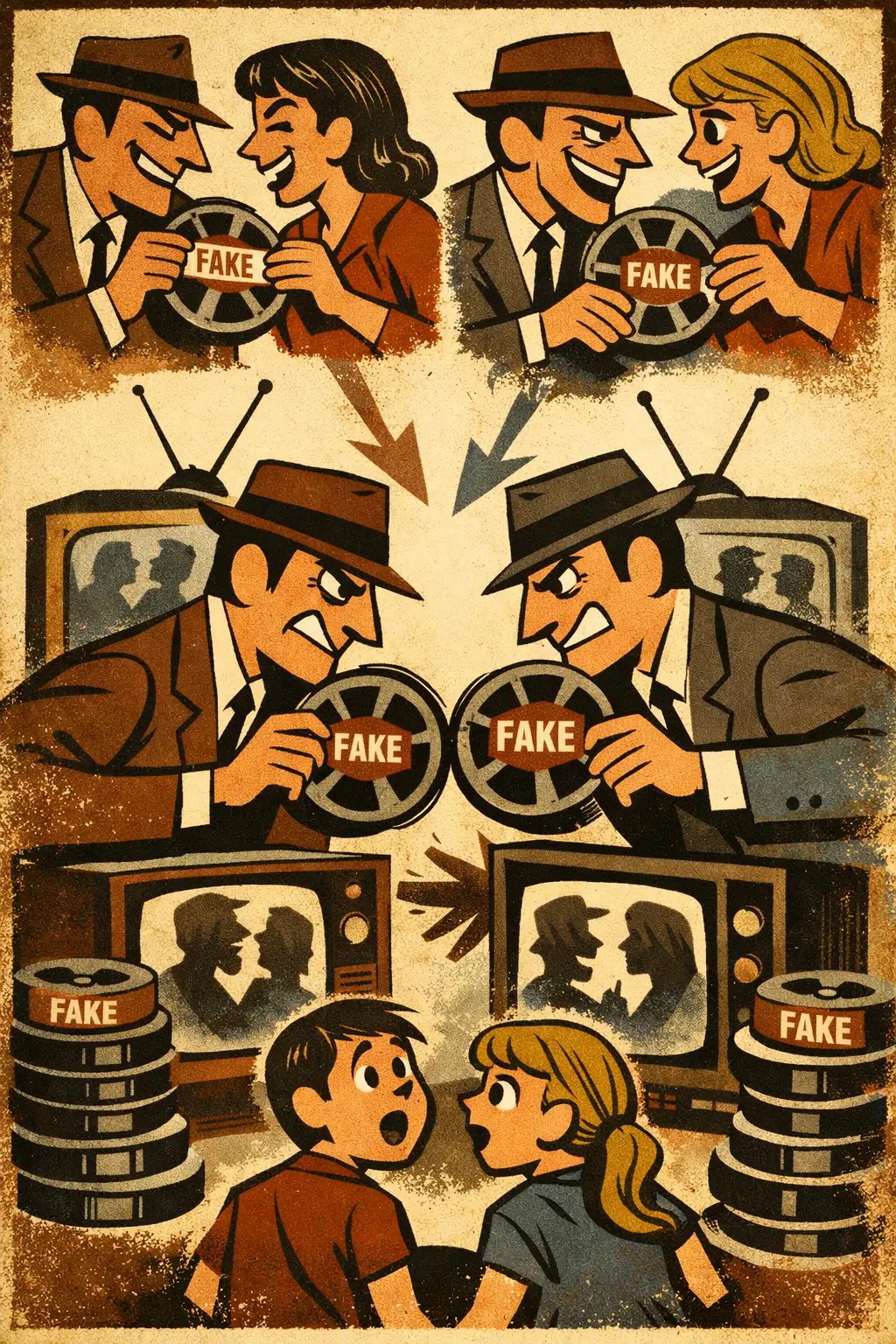
Occurs when someone treats one wrong act as justified because it responds to, retaliates against, or balances out another wrong.
Occurs when vague, elastic, or undefined terms are chosen so that a position sounds meaningful while resisting clear testing or criticism.