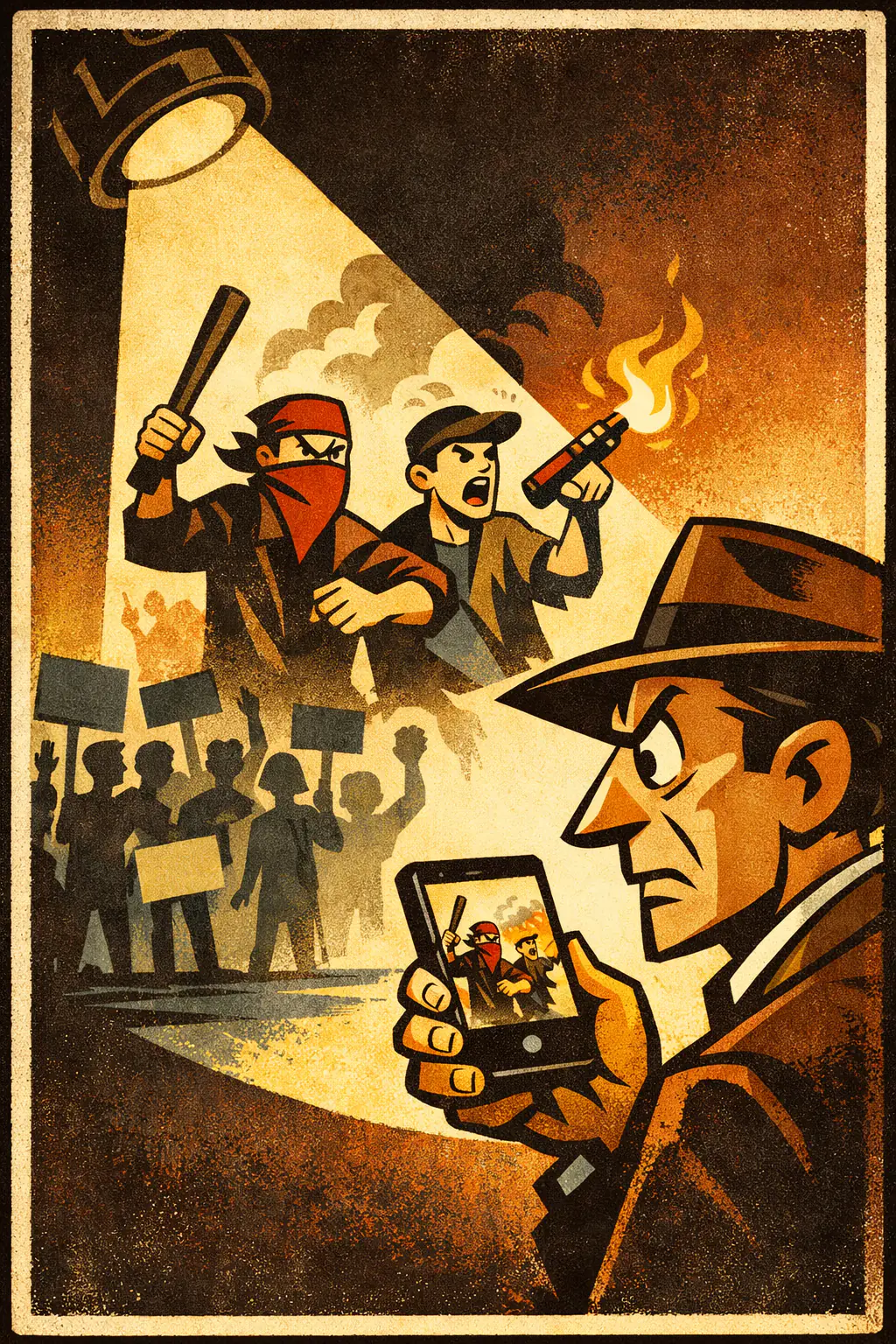
Appeal to novelty
Occurs when something is treated as better mainly because it is new, cutting-edge, or marketed as the future.
PerspectivalEvidentialEmotional
Intermediate
Intro college
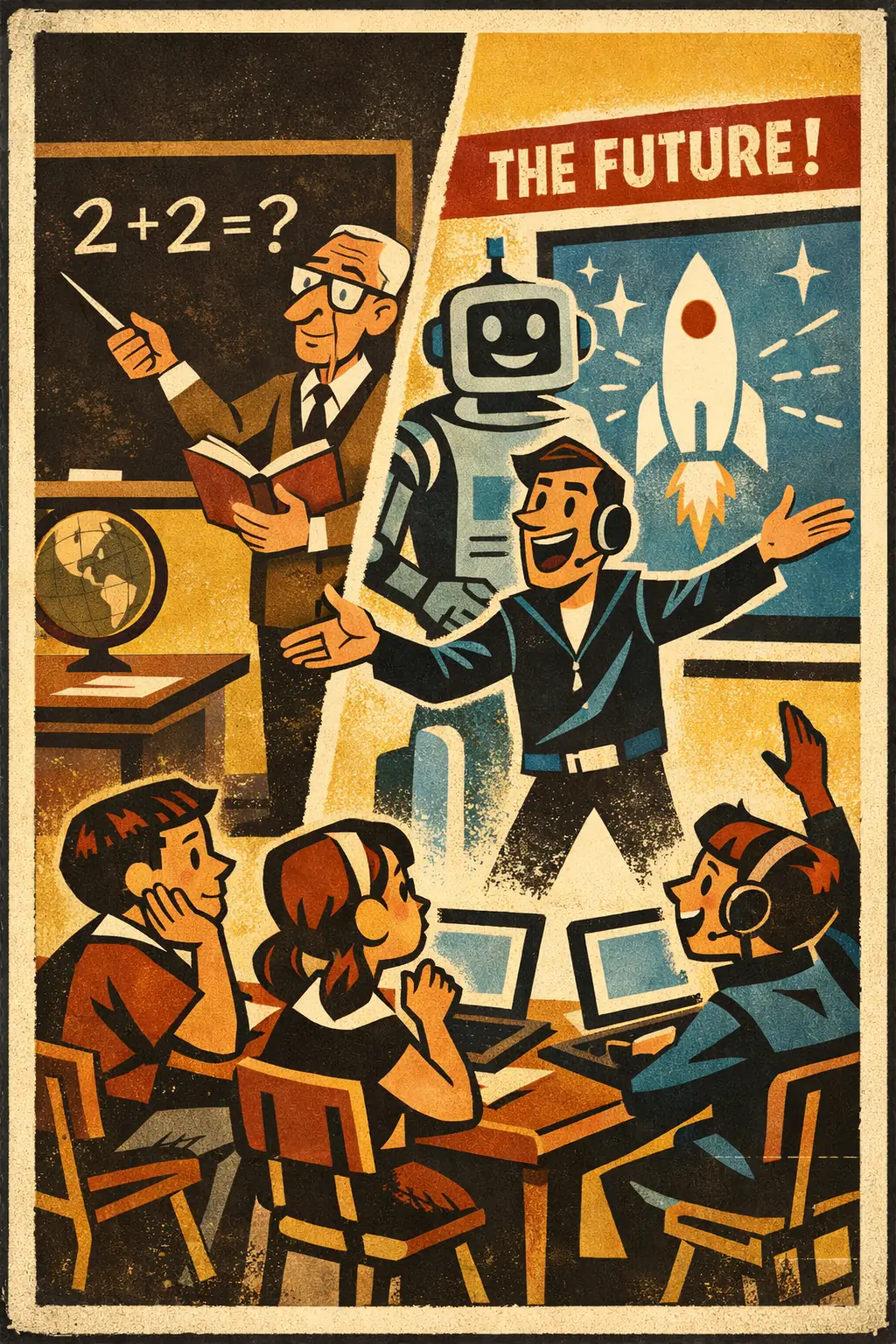

Logical Fallacies
A practical logical-fallacies reference with clear explanations, usable examples, and teaching tools.
Category
Errors caused by the wrong vantage point, historical standpoint, or interpretive frame.
13 fallacies in this category.
Would the conclusion change if the frame, timeline, or viewpoint were widened?
Examples in this category
+8 more listed below.
A category is a diagnostic lens, so a fallacy may appear in more than one category. A family is the broader umbrella that gives the fallacy its single main home.
Occurs when something is treated as better mainly because it is new, cutting-edge, or marketed as the future.
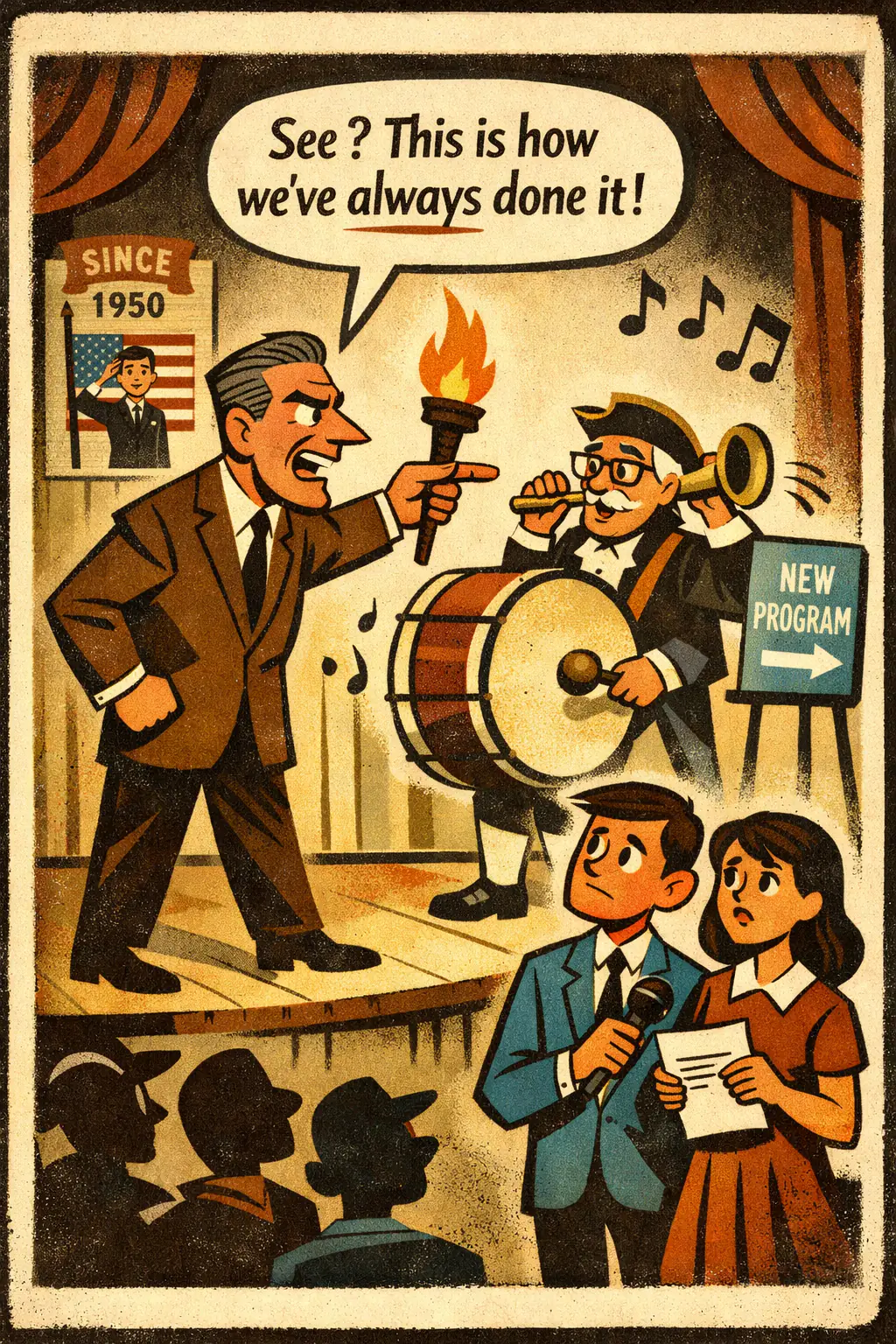
Occurs when a claim or practice is defended mainly because it has a long history, customary status, or familiar place in a community.
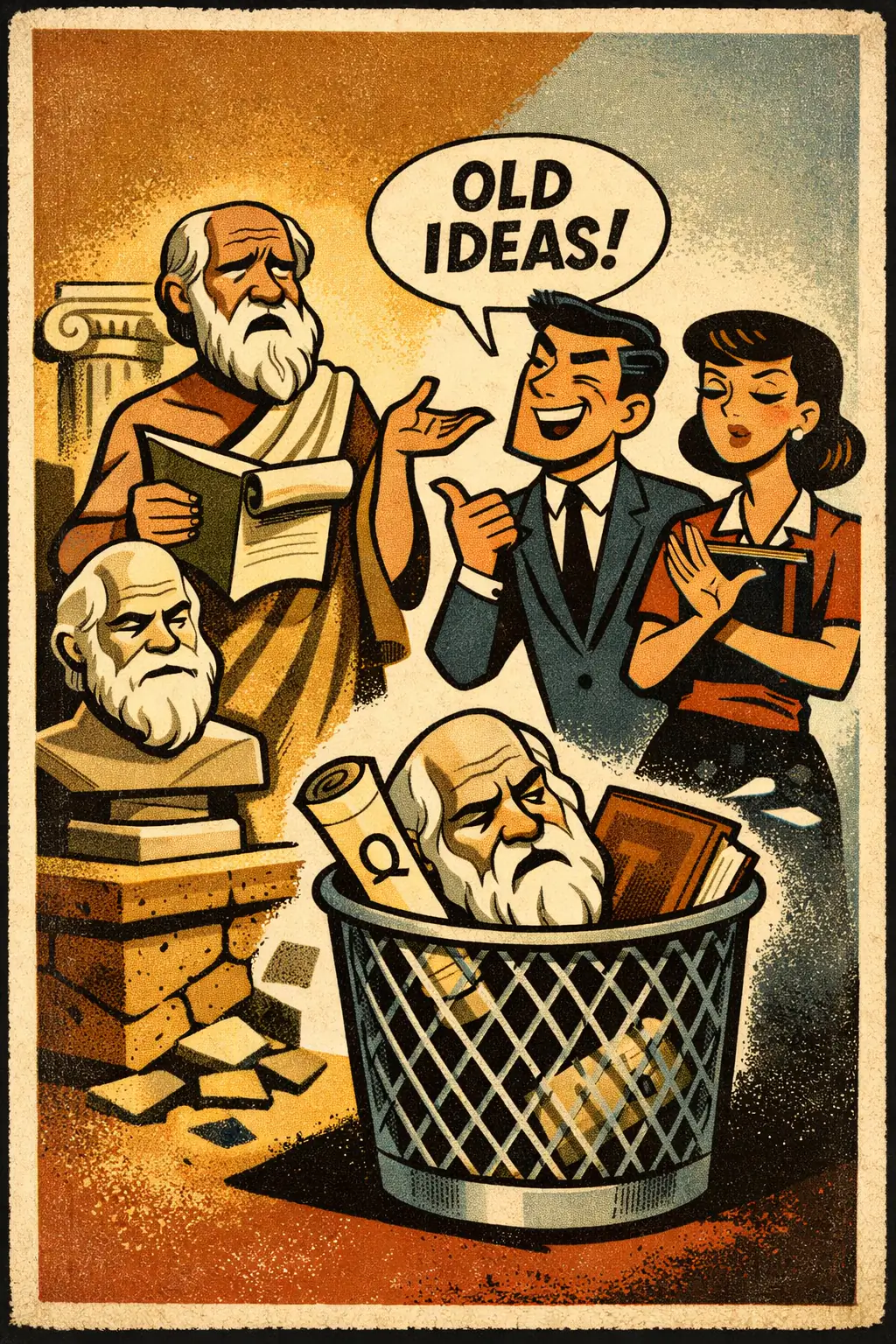
Occurs when an idea is dismissed mainly because it is old, premodern, or associated with a period that also held many false beliefs.
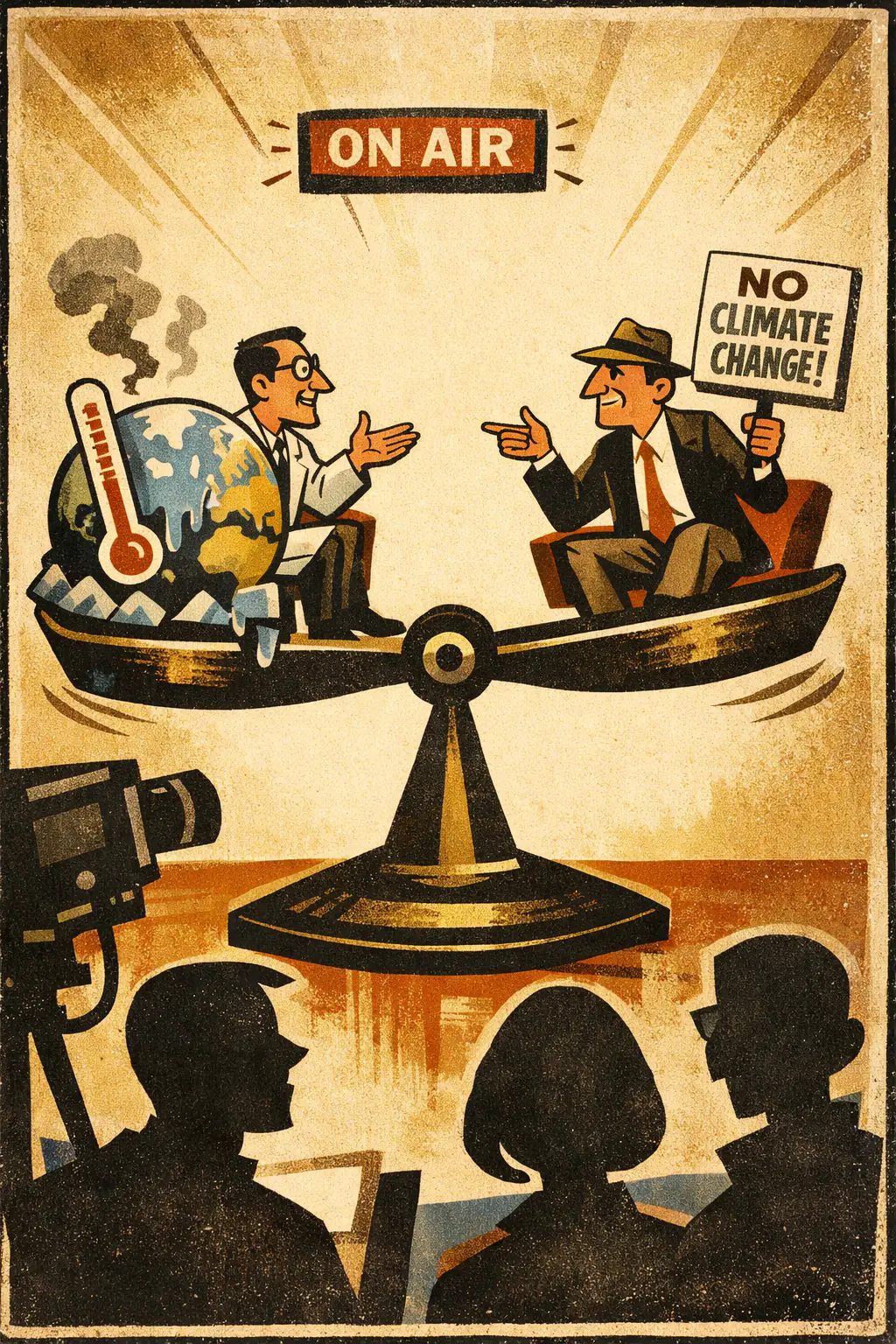
Occurs when a dispute is presented as if the competing sides were roughly equal in credibility or evidential support even though the evidence is not remotely balanced.
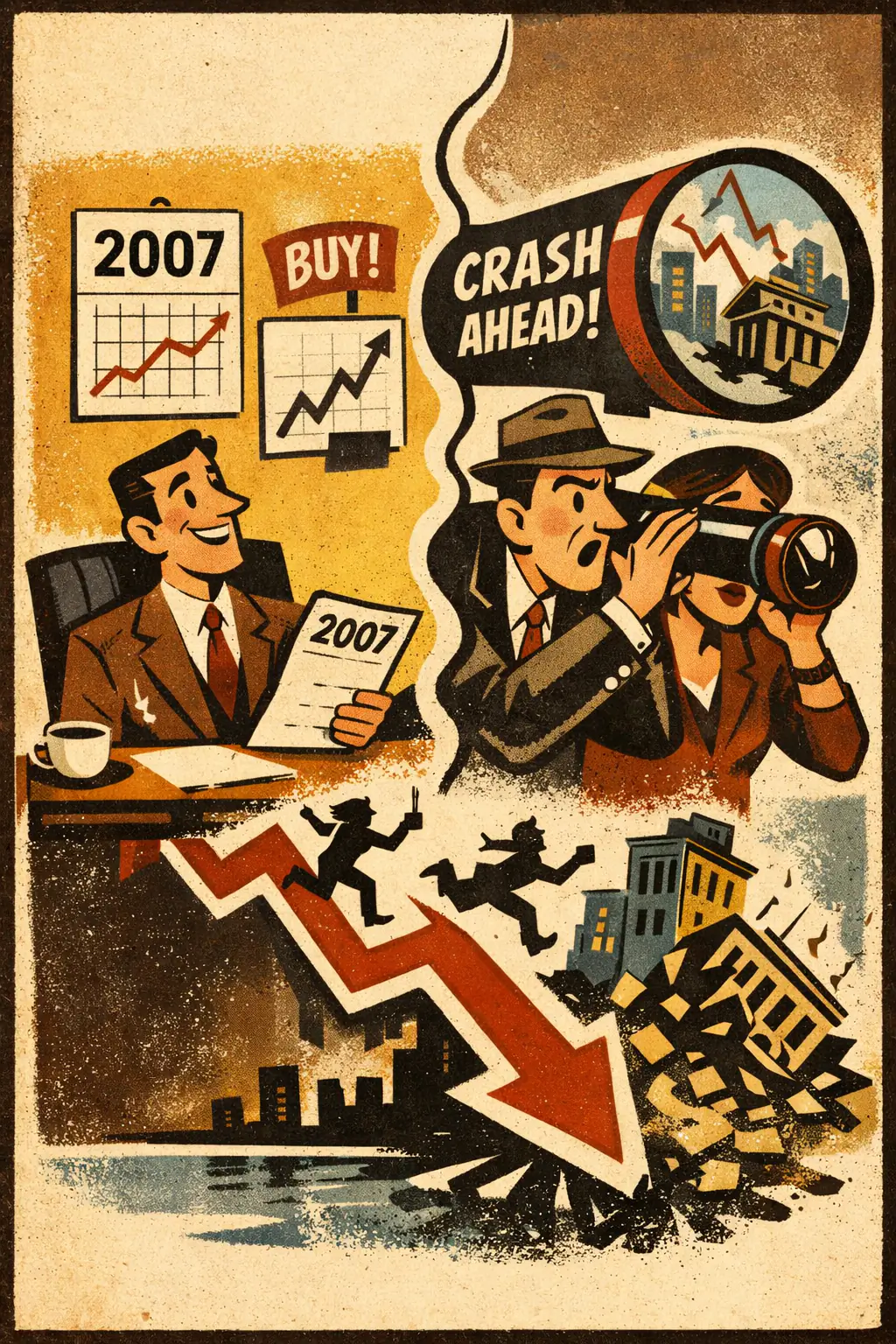
Occurs when people in the past are judged as if they had the same information, background assumptions, and hindsight available to later observers.
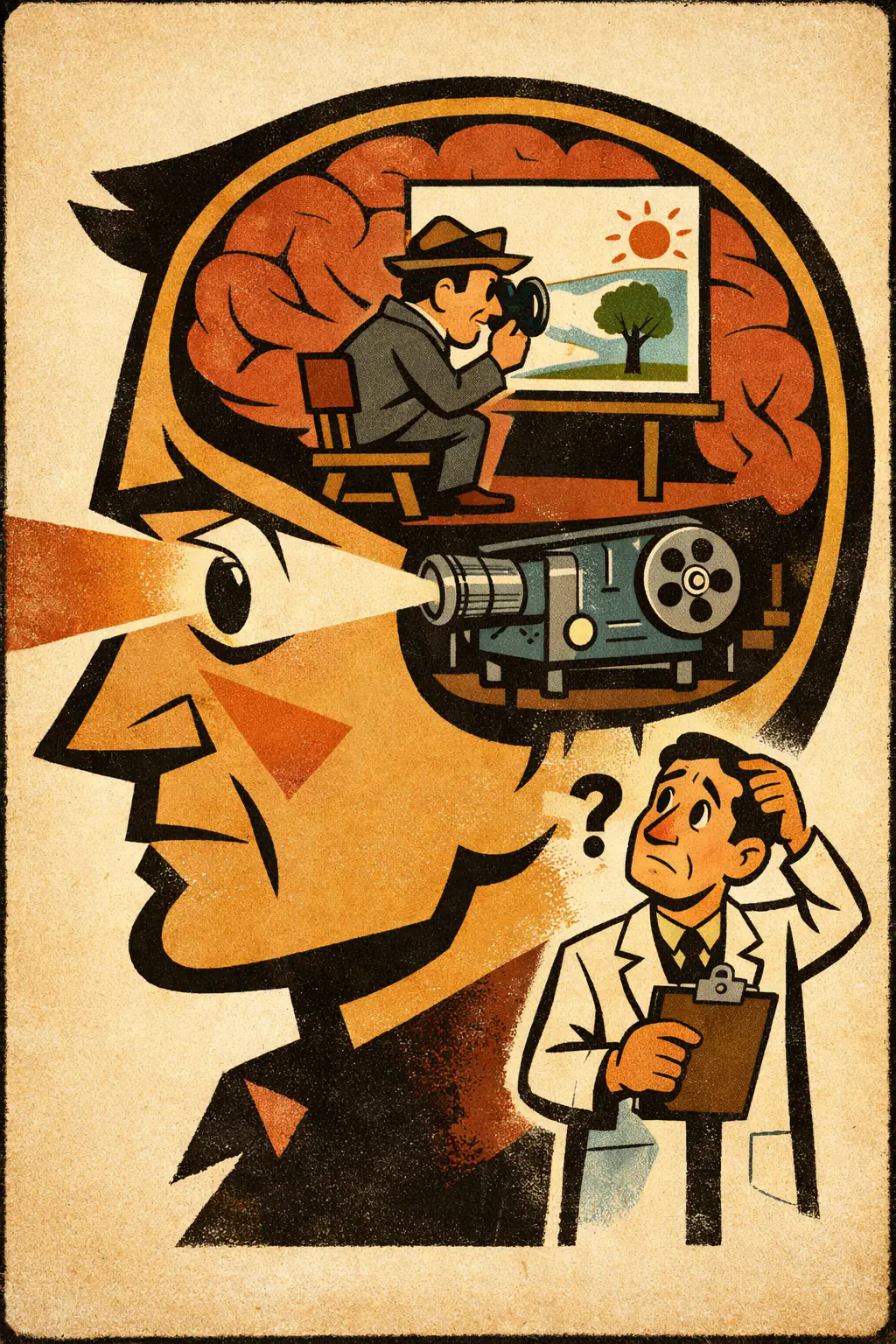
Occurs when a mind-like inner observer is smuggled in to explain mind-like abilities, thereby postponing rather than solving the explanation.
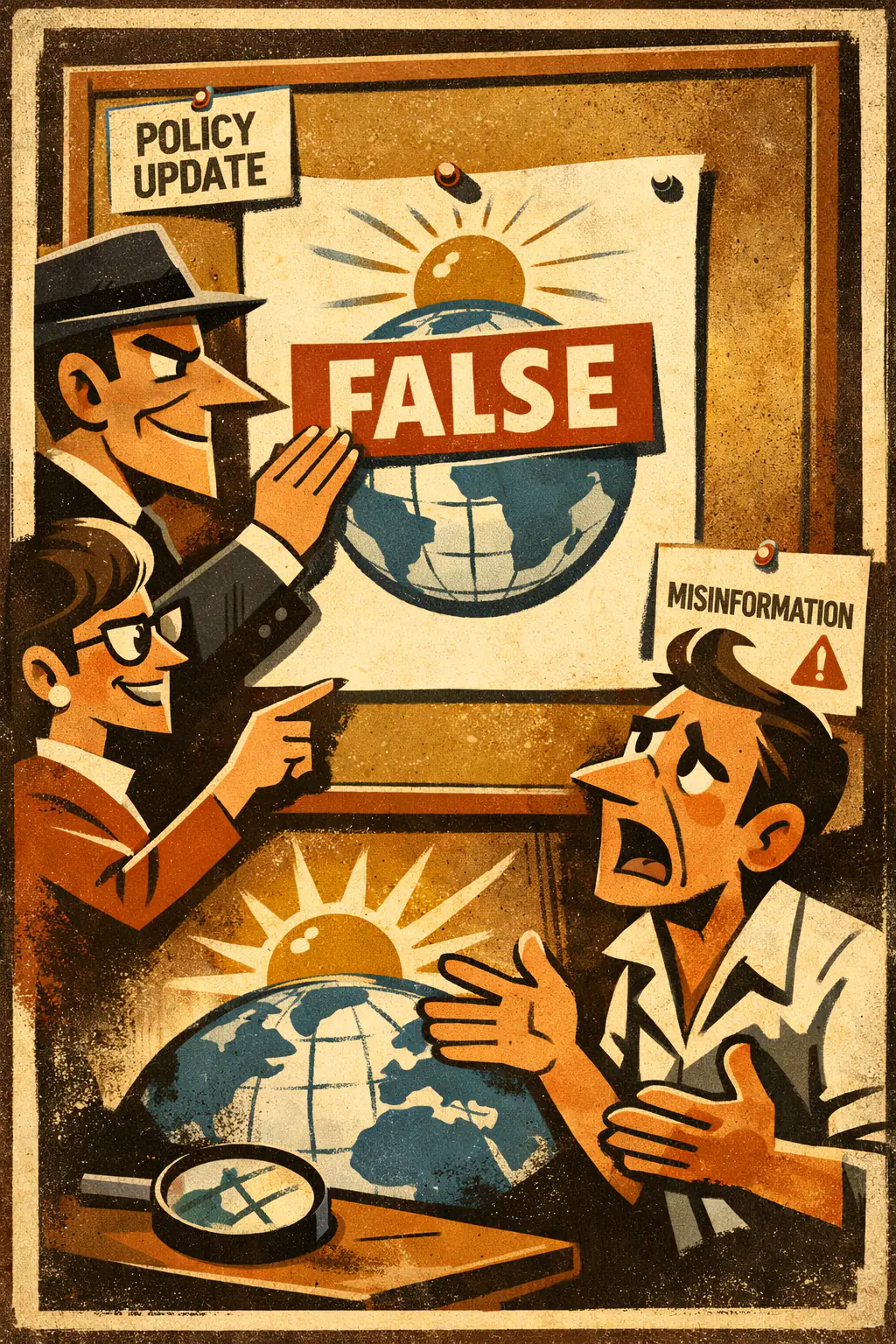
Occurs when a human classification, rule, or label is treated as if it automatically determined the underlying fact or moral status.
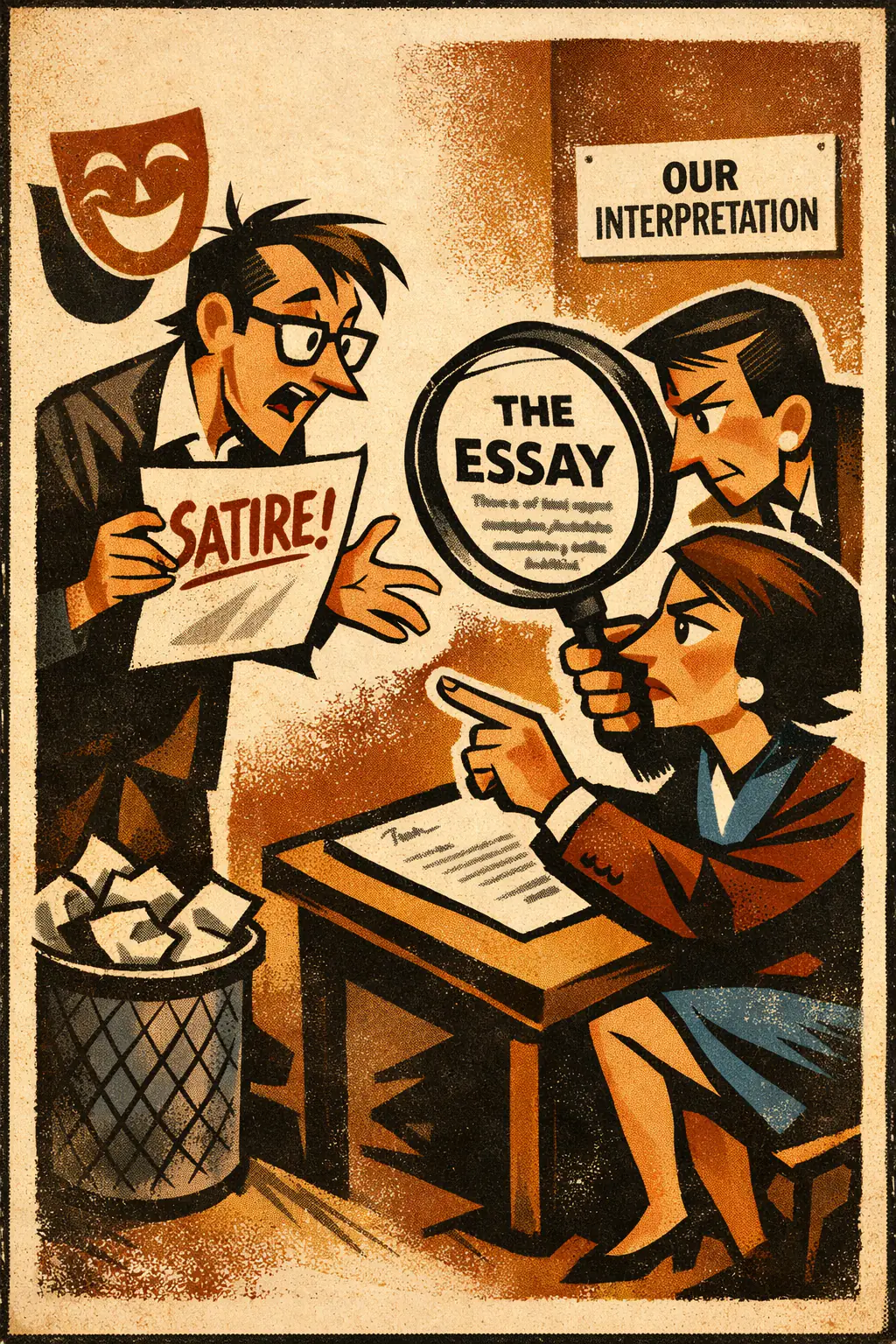
Occurs when the creator's intended meaning is treated as irrelevant in contexts where that intention is actually important to understanding the work or statement.
Occurs when human feelings, intentions, or judgments are projected onto impersonal things and then treated as if the projection explained reality.
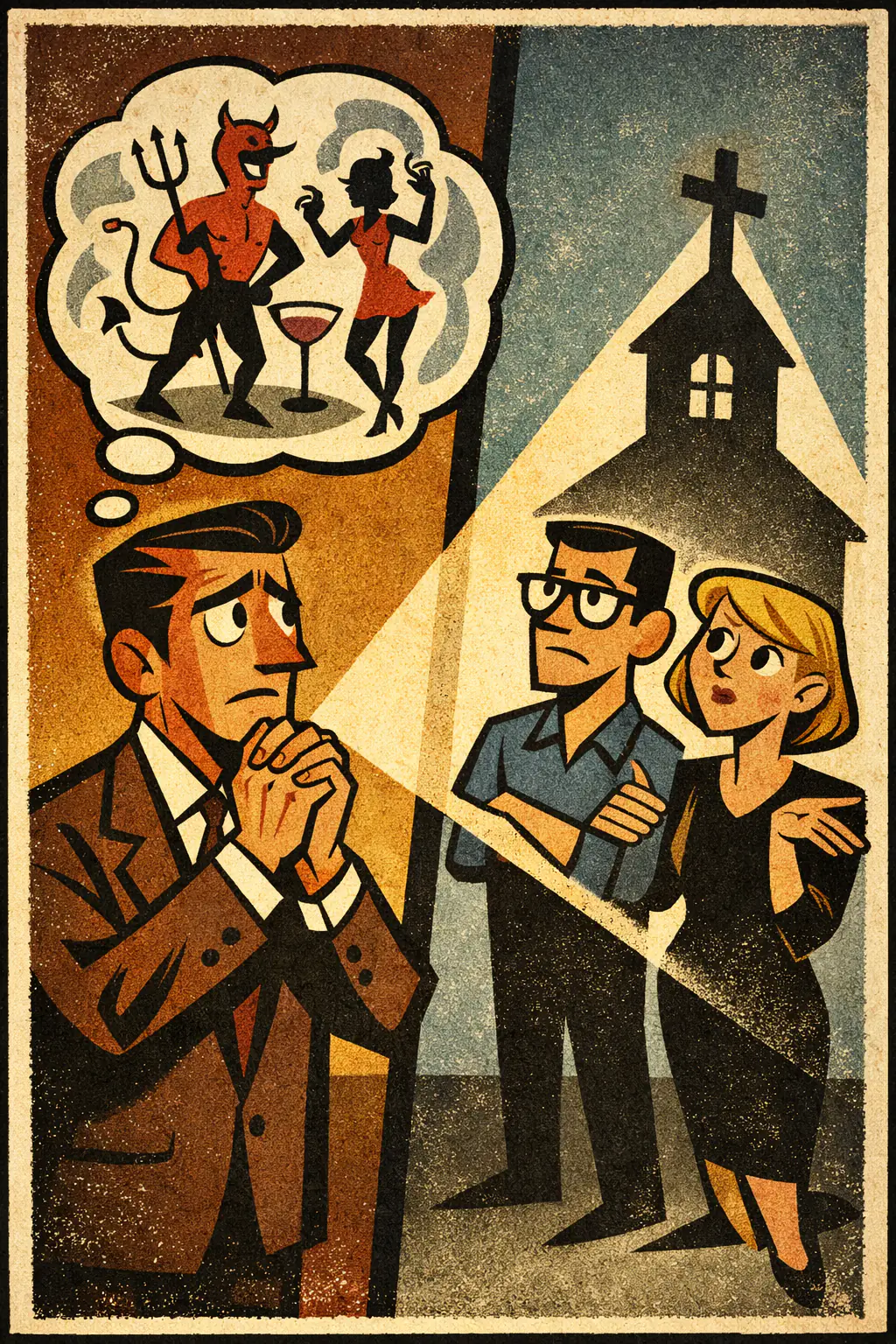
Occurs when someone projects their own motives, fears, or mental structure onto others and treats that projection as insight into those other people.
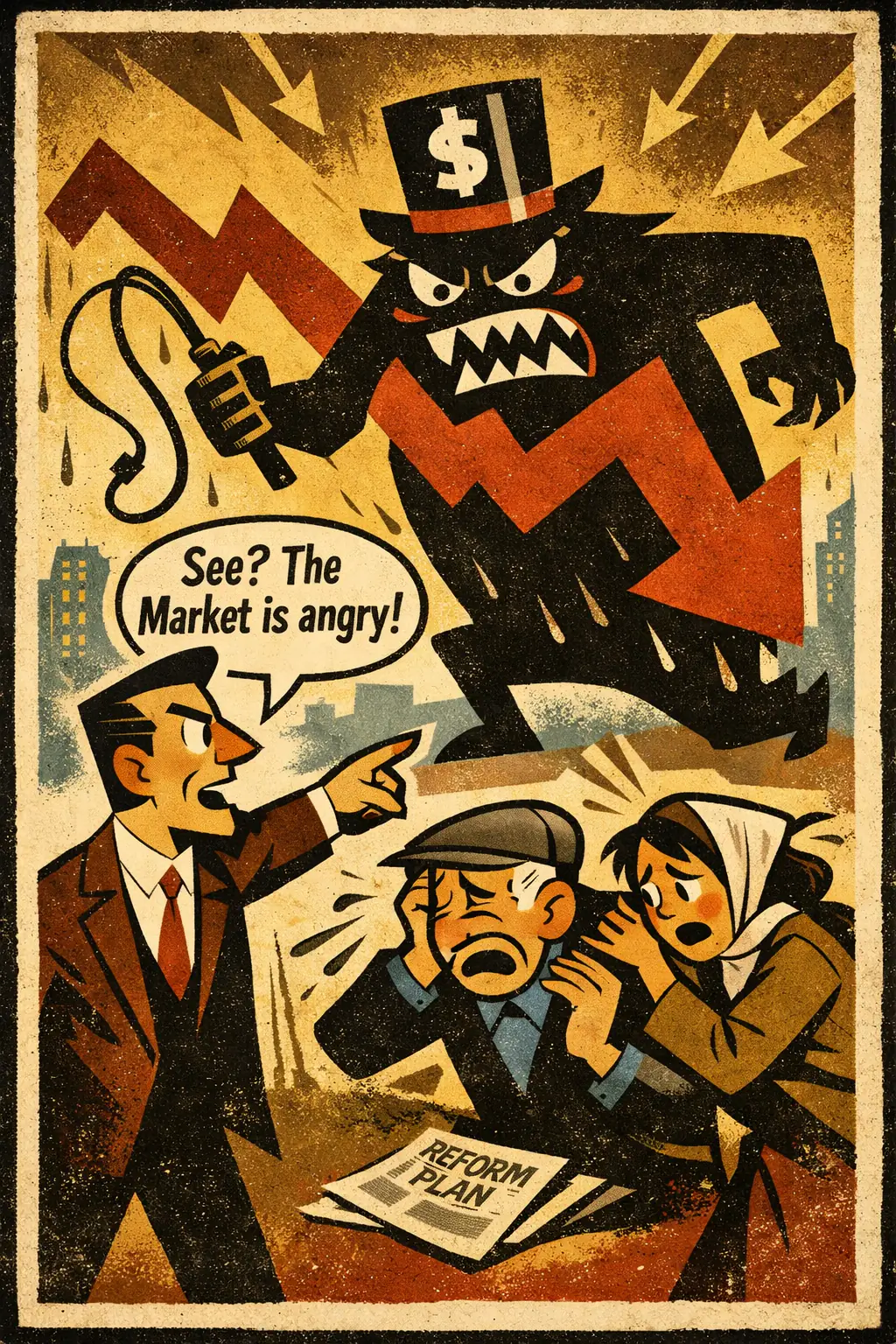
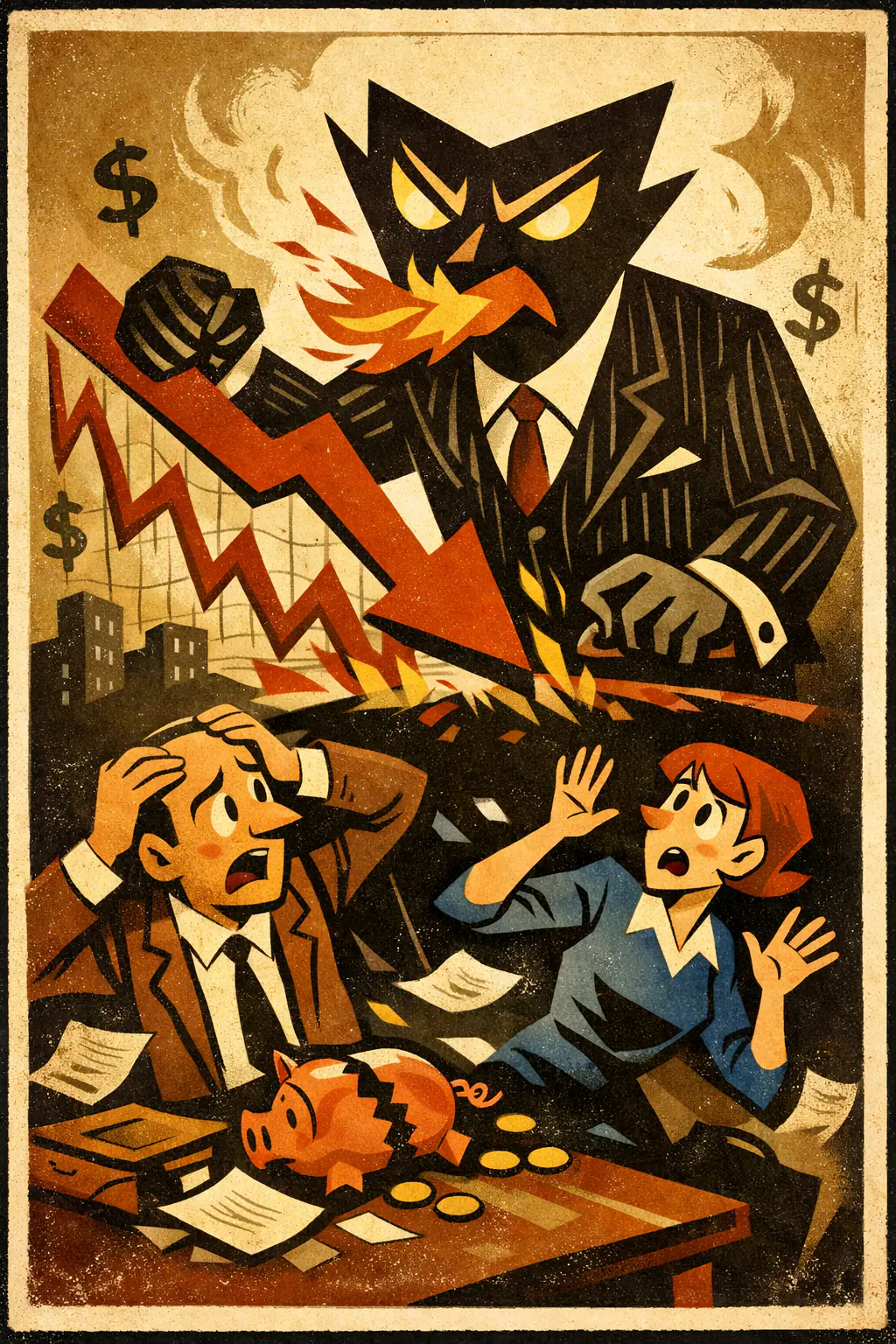
Occurs when an abstraction is spoken of as if it were a concrete agent or thing in a way that misleads rather than merely using harmless metaphor.
Occurs when, after an outcome happens, people claim it was inevitable or obvious all along even though the uncertainty beforehand was real.
Occurs when the most visible or most covered cases in a category are treated as if they represent the category as a whole.