Logical Fallacies

LogFall

A practical logical-fallacies reference with clear explanations, usable examples, and teaching tools.

Category

Evidential

Arguments that overstate what the evidence shows, ignore what is missing, or misuse support.

Entries

56 fallacies in this category.

Diagnostic prompt

What evidence is missing, selected, or overstretched here?

Category vs. family

A category is a diagnostic lens, so a fallacy may appear in more than one category. A family is the broader umbrella that gives the fallacy its single main home.

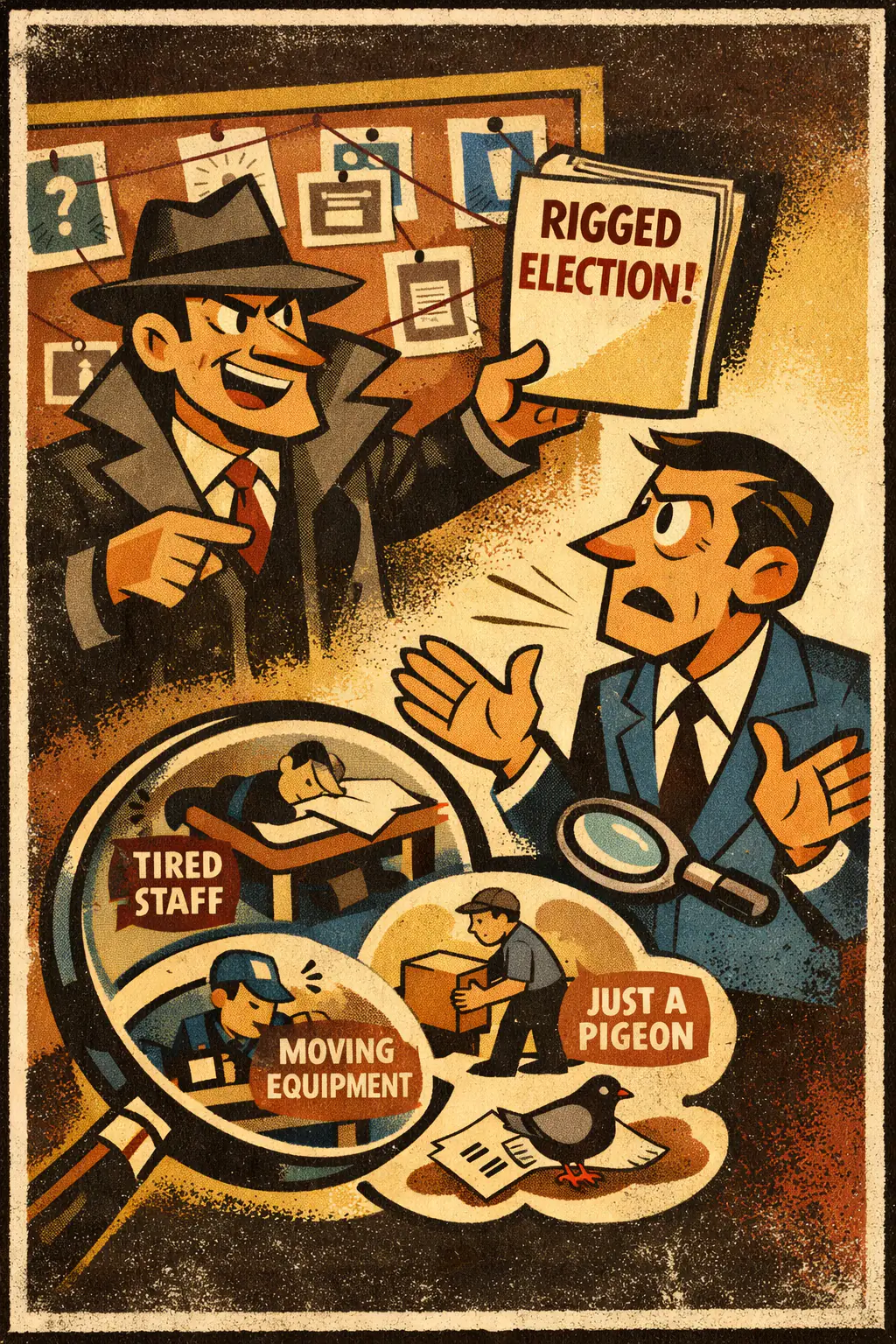
Absence of evidence fallacy

Occurs when someone treats a failure to find expected evidence as if it counted for nothing against the claim, even in a context where the claim should leave detectable t...

Evidential
Foundational Middle school+

All or nothing fallacy

Occurs when support for part of a view, or problems with part of a view, are treated as if they force total acceptance or total rejection of the whole package.

EpistemicEvidential
Intermediate High school

Anecdotal fallacy

Occurs when a vivid personal story, testimonial, or isolated case is treated as stronger evidence than broader, better, or more representative evidence.

EvidentialPerceptual
Foundational Middle school+

Appeal to accomplishment

Occurs when a claim is treated as true or weighty mainly because the person promoting it has impressive accomplishments in some other domain.

TacticalEvidential
Foundational Middle school+

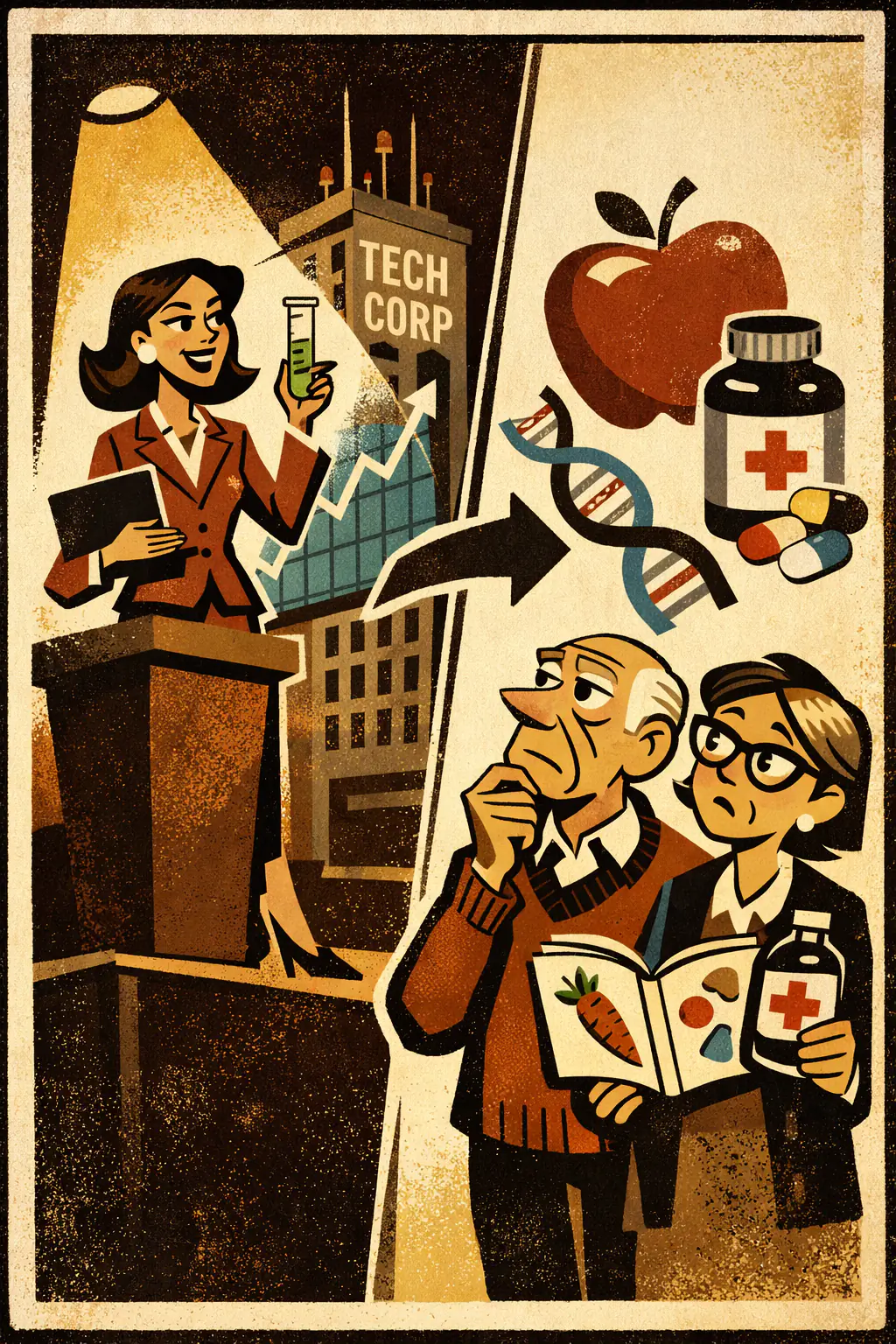
Appeal to authority

Occurs when someone treats an authority's endorsement as if it settled the issue, even when the authority is unqualified, the field is divided, or the claim still require...

EvidentialEmotional
Foundational Middle school+

Appeal to consequences

Occurs when someone treats the desirability or undesirability of a conclusion as if it were evidence that the conclusion is true or false.

EvidentialEmotional
Foundational Middle school+

Appeal to nature

Occurs when something is praised as good, safe, or right merely because it is called natural, or condemned as bad merely because it is called unnatural.

ConceptualEvidential
Intermediate High school
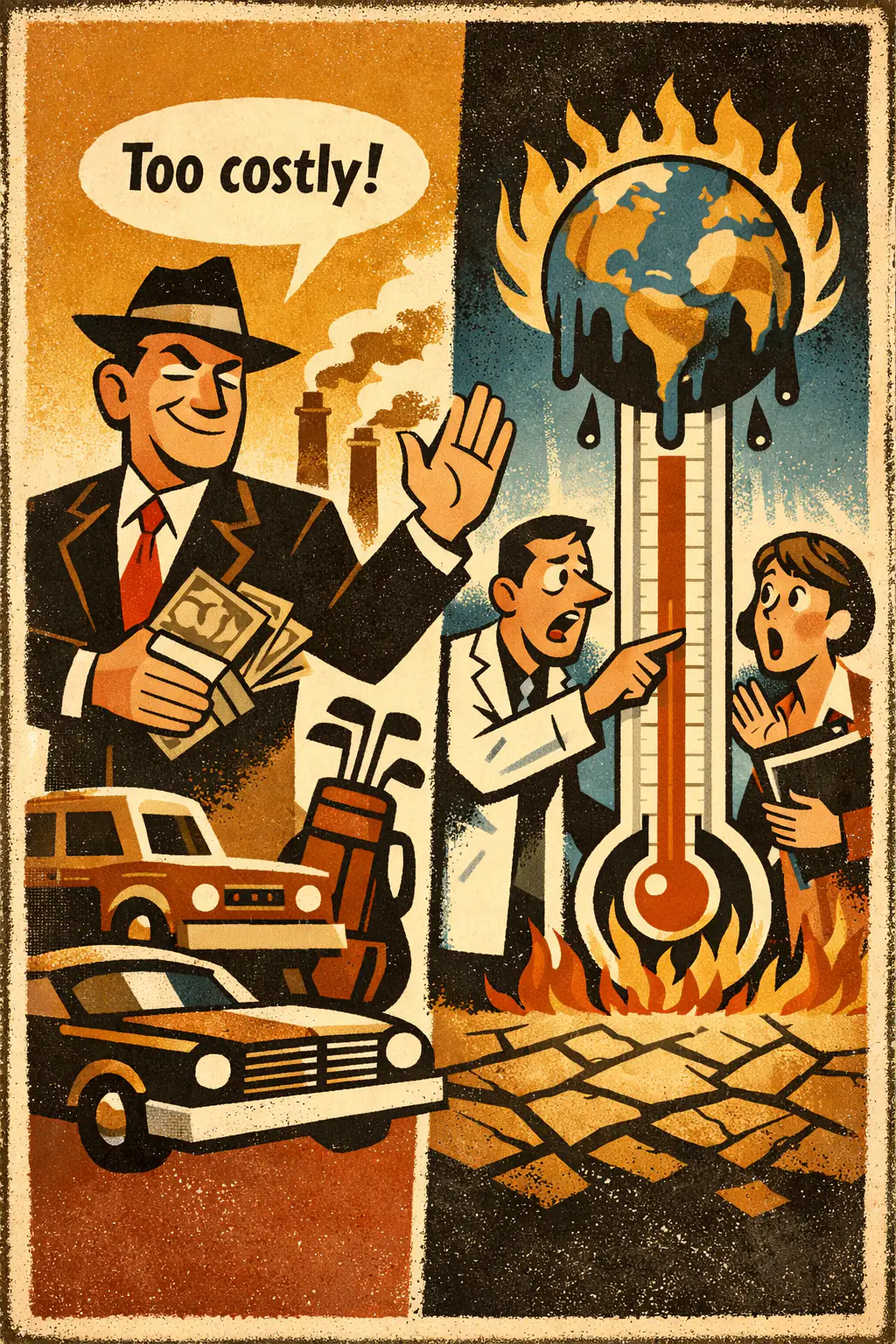
Appeal to novelty

Occurs when something is treated as better mainly because it is new, cutting-edge, or marketed as the future.

PerspectivalEvidentialEmotional
Intermediate High school

Appeal to tradition

Occurs when a claim or practice is defended mainly because it has a long history, customary status, or familiar place in a community.

PerspectivalEvidentialEmotional
Intermediate High school

Argument from fallacy

Occurs when someone infers that because a particular argument for a conclusion is weak or fallacious, the conclusion itself must therefore be false.

Evidential
Foundational Middle school+

Argument from ignorance

Occurs when someone concludes that a claim is true because it has not been disproved, or false because it has not been proved.

Evidential
Foundational Middle school+

Argument from incredulity

Occurs when someone treats their inability to imagine, explain, or believe a claim as evidence that the claim must be false, or conversely true.

EpistemicEvidential
Intermediate High school

Argument from silence

Occurs when a claim is treated as validated because opponents, authorities, or witnesses did not deny it, respond to it, or mention it.

Evidential
Foundational Middle school+

Argumentum ad populum

Occurs when a claim is treated as true, reasonable, or justified mainly because many people believe it, share it, or act on it.

EvidentialConceptualEpistemic
Advanced Advanced undergraduate

Artificial negation

Occurs when the wording of a negative position is manipulated so that mere non-belief is treated as if it were the same thing as a strong positive denial.

EpistemicEvidential
Intermediate High school

Association fallacy

Occurs when a claim is accepted or dismissed because of some irrelevant association rather than because of the merits of the claim itself.

TacticalEvidential
Foundational Middle school+

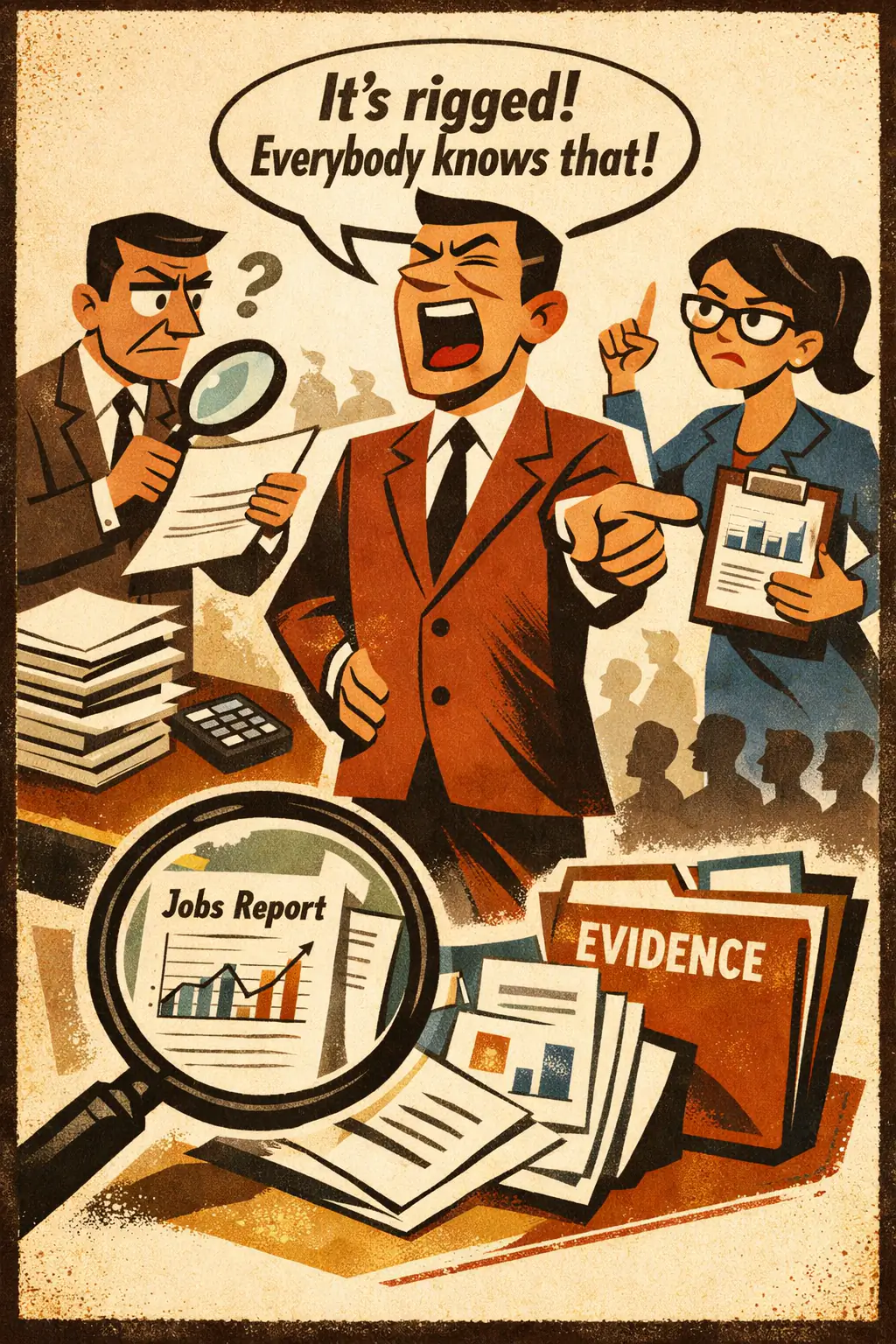
Bare assertion fallacy

Occurs when a contested claim is simply asserted, often confidently, without the evidence needed to justify it.

EvidentialTactical
Foundational Middle school+

Bottom-up condemnation

Occurs when a negative generalization about a group is used as if it settled the character or behavior of a specific member of that group.

ConceptualEvidential
Foundational Middle school+

Bottom-up justification

Occurs when a positive generalization about a group is used as if it established the virtue or competence of a specific member of that group.

ConceptualEvidential
Foundational Middle school+

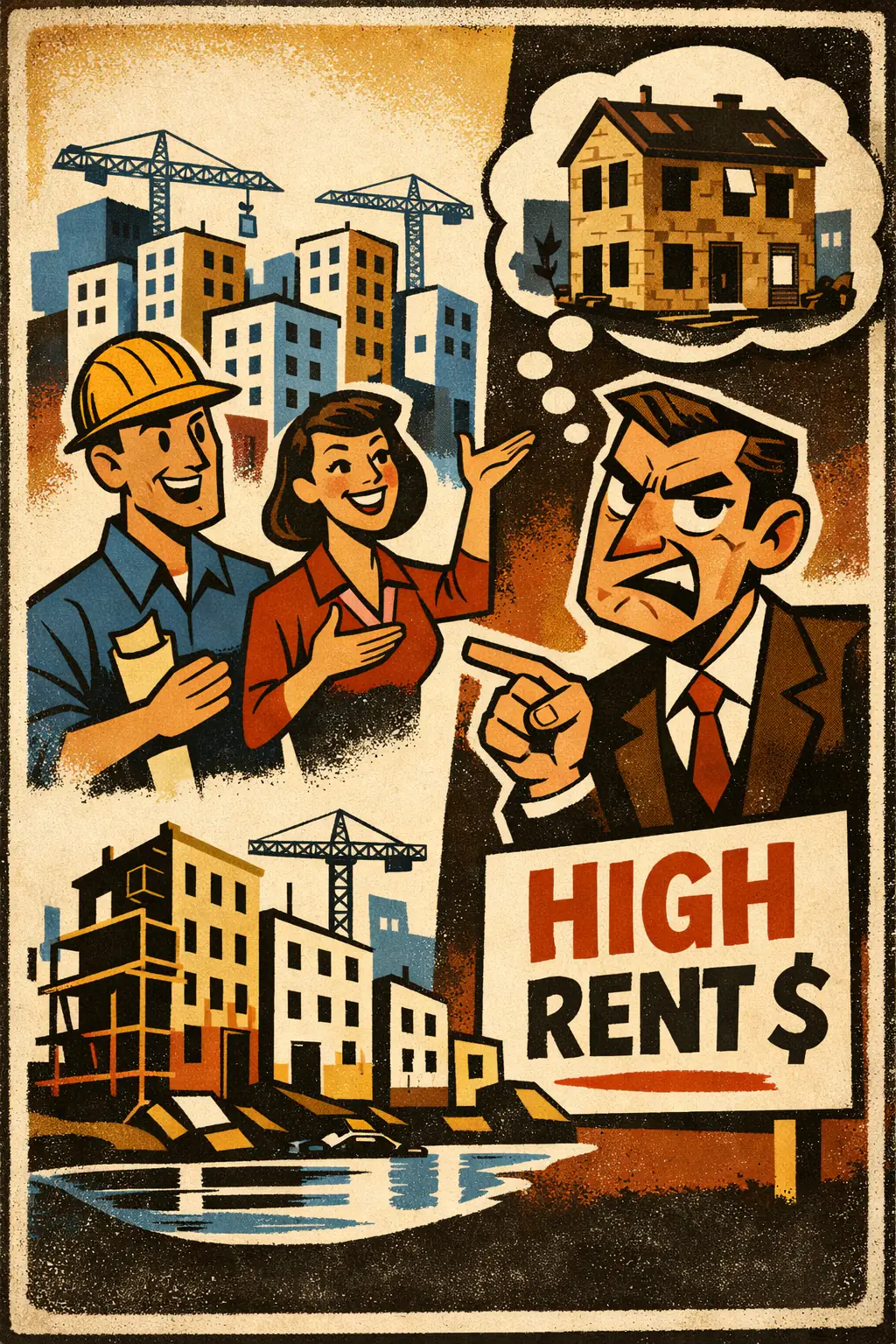
Broken window fallacy

Occurs when destruction or forced replacement is treated as an economic gain because the visible spending is counted while the unseen losses and forgone alternatives are...

EvidentialMathematical
Intermediate High school

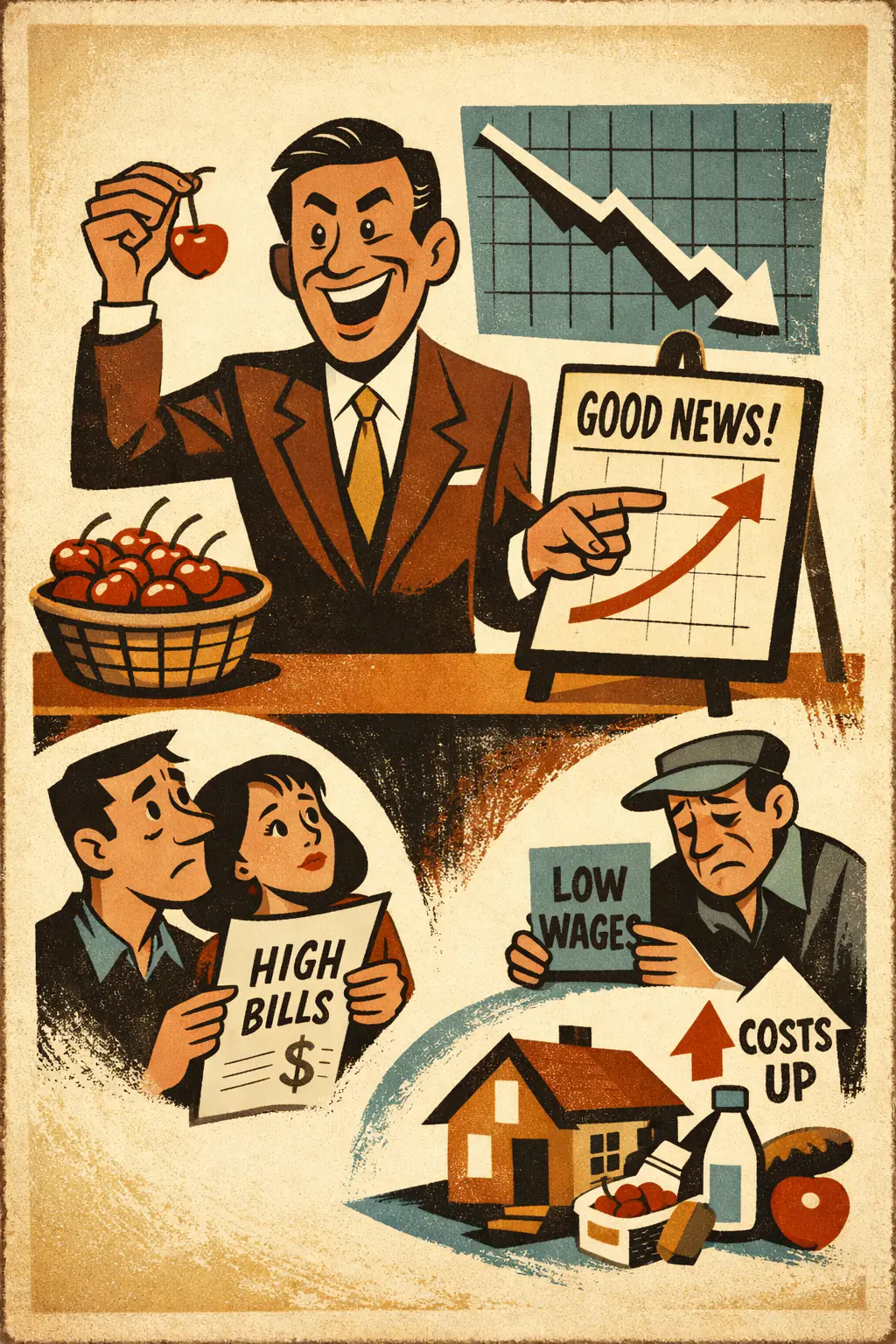
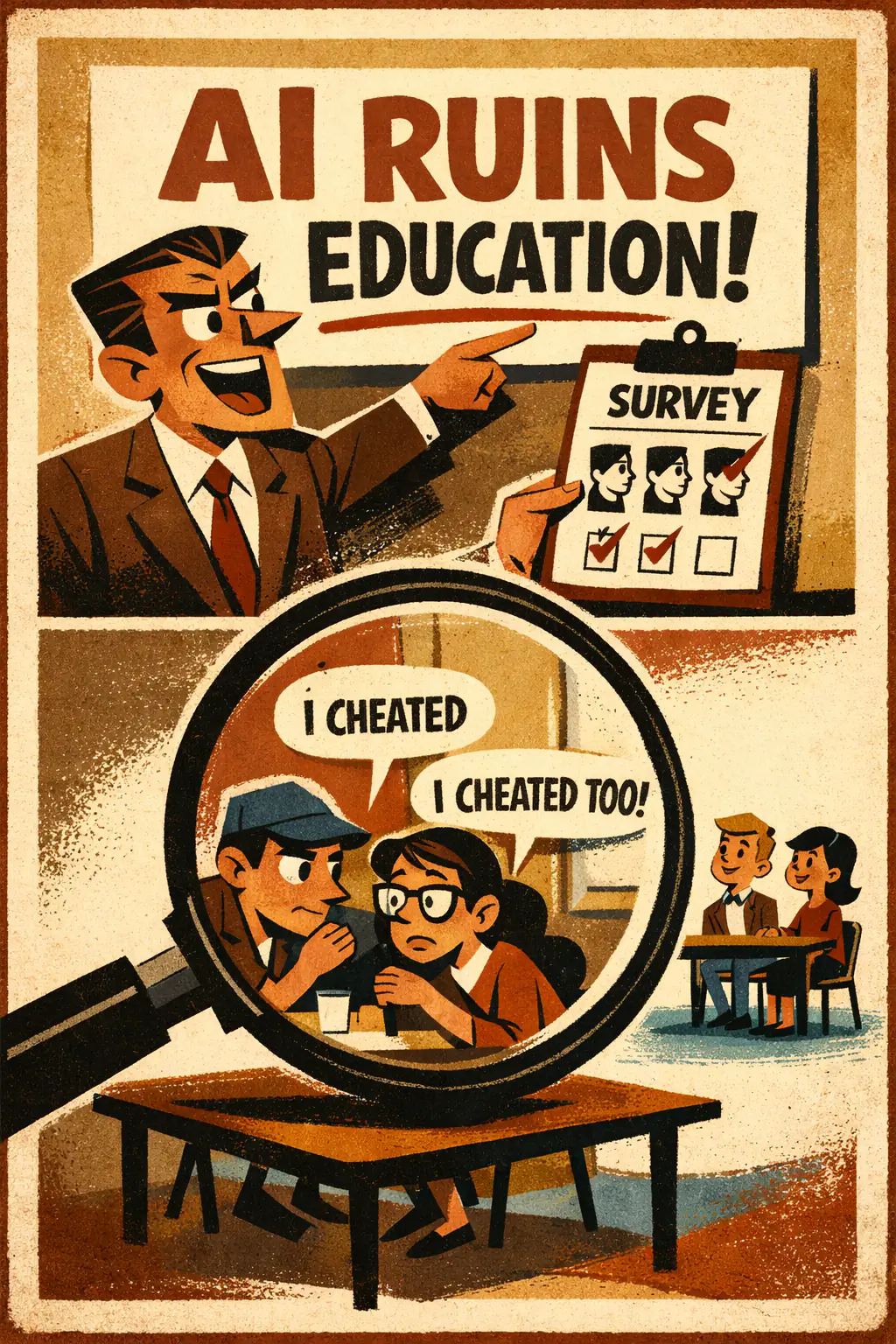
Cherry picking

Occurs when someone selects only the evidence that supports a conclusion and ignores a wider body of evidence that weakens, qualifies, or reverses it.

TacticalEvidential
Foundational Middle school+

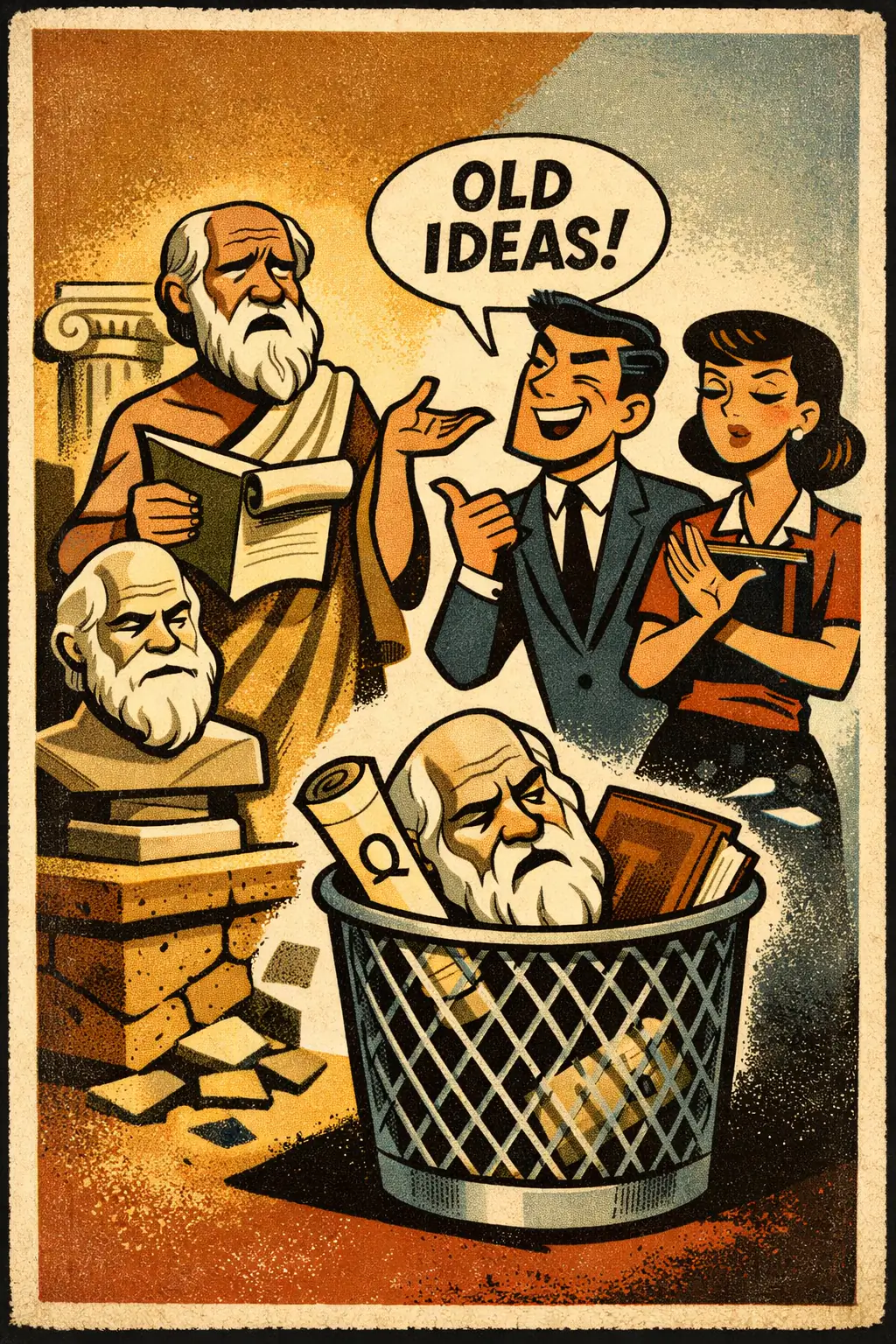
Chronological snobbery

Occurs when an idea is dismissed mainly because it is old, premodern, or associated with a period that also held many false beliefs.

EvidentialPerspectival
Intermediate High school

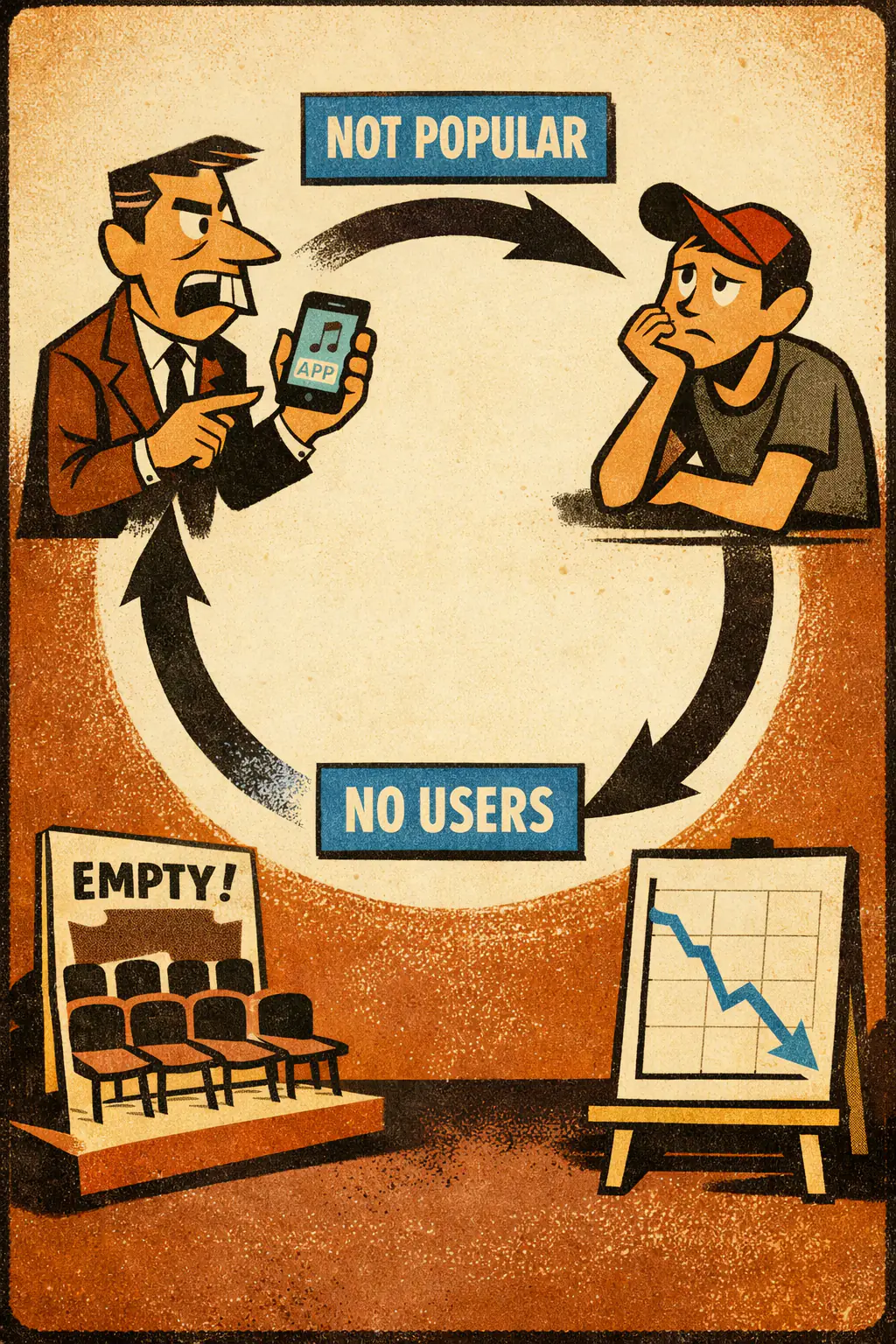
Circular cause and consequence

Occurs when a feedback loop is treated as if it fully explains, proves, or justifies a result, even though the loop may be contingent, breakable, or not sufficient for th...

CausalEvidential
Foundational Middle school+

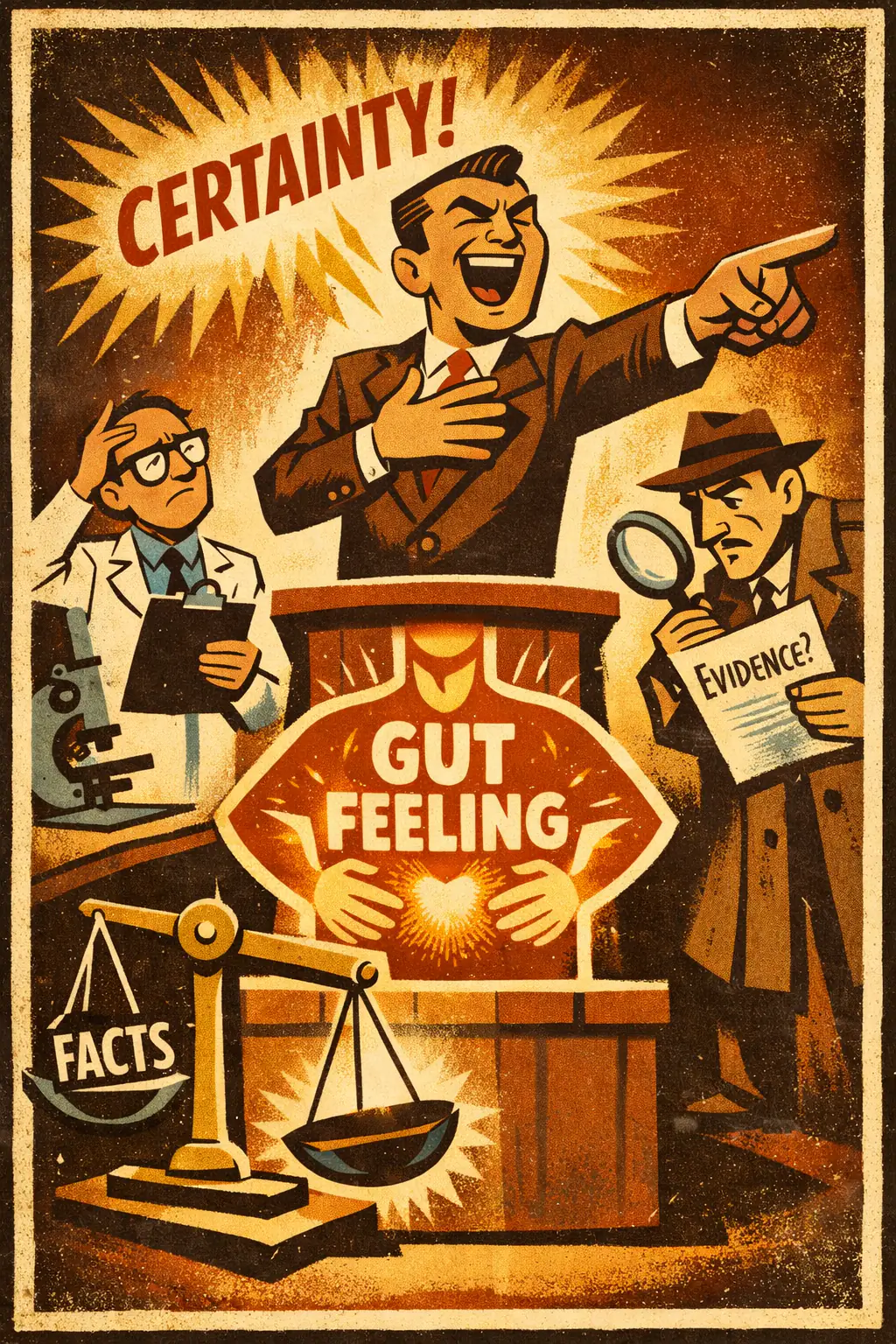
Confidence as a validator

Occurs when a speaker's certainty, intensity, or felt conviction is treated as if it were evidence that the claim is true.

EpistemicEvidentialEmotional
Intermediate High school

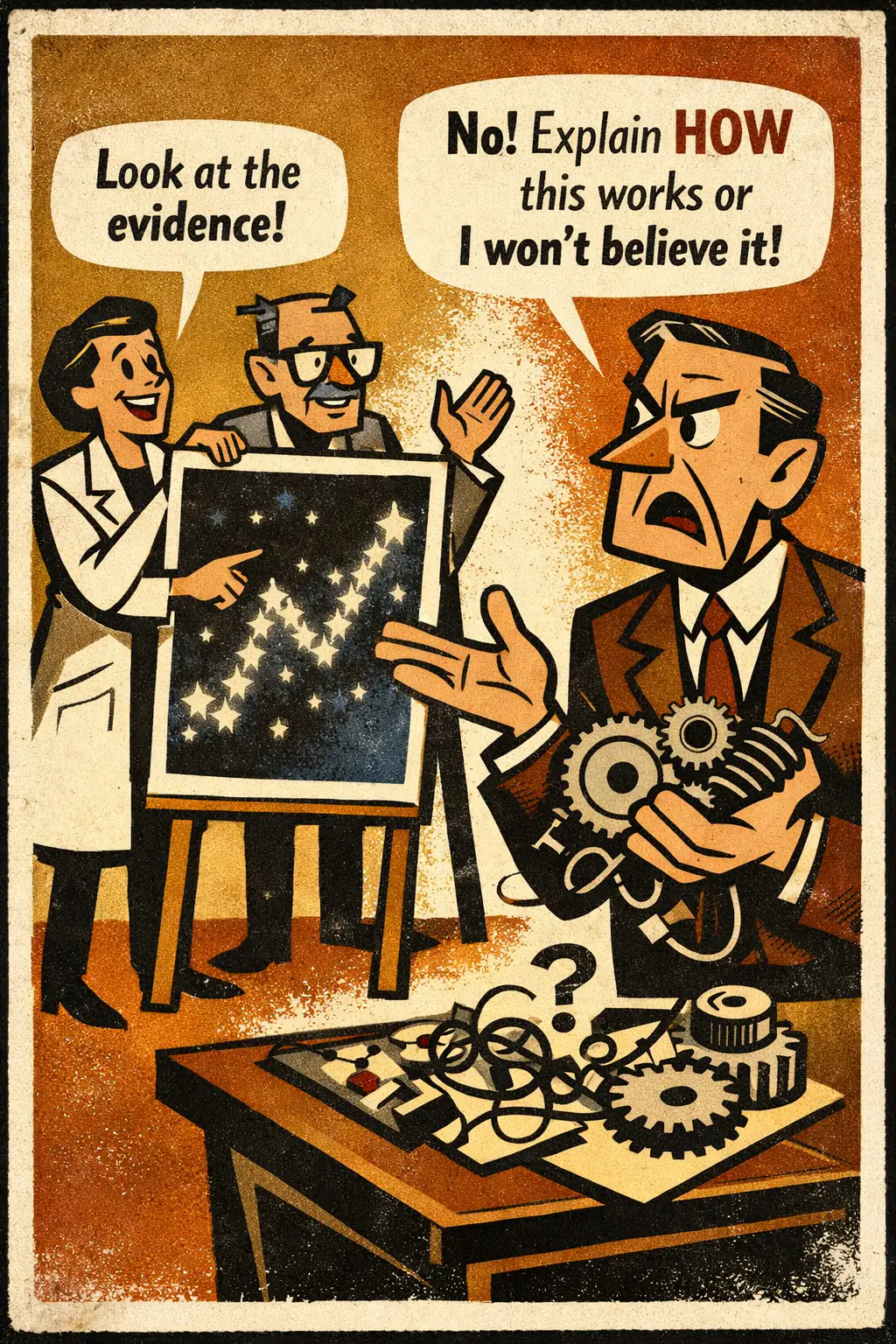
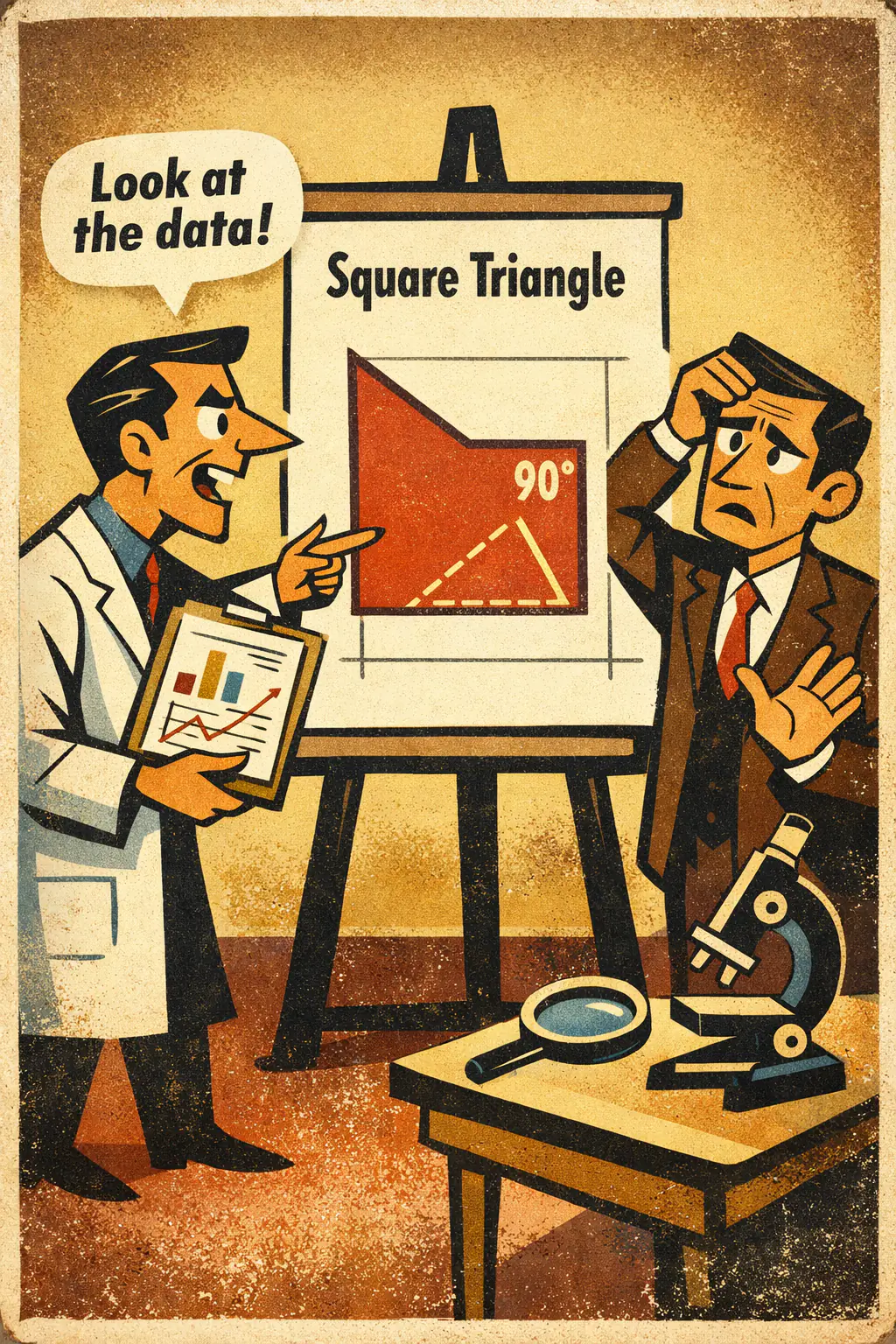
Demanding a mechanism

Occurs when strong evidence for a phenomenon is rejected solely because the underlying mechanism is still incomplete, disputed, or not yet fully understood.

Evidential
Foundational Middle school+

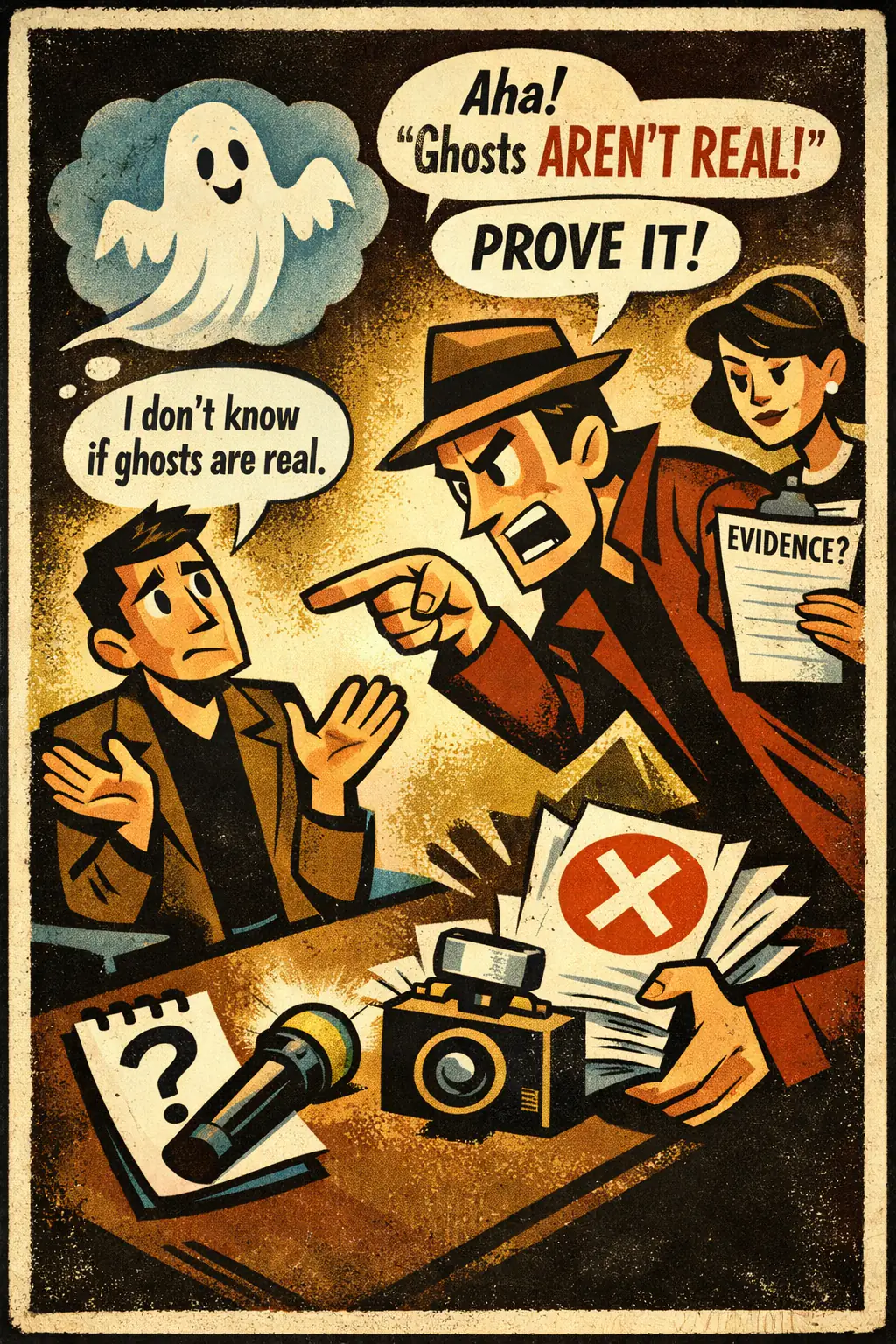
Demanding negative proof

Occurs when someone tries to protect a claim by insisting that critics must prove the claim false instead of the claimant first supplying adequate support.

TacticalEvidential
Foundational Middle school+

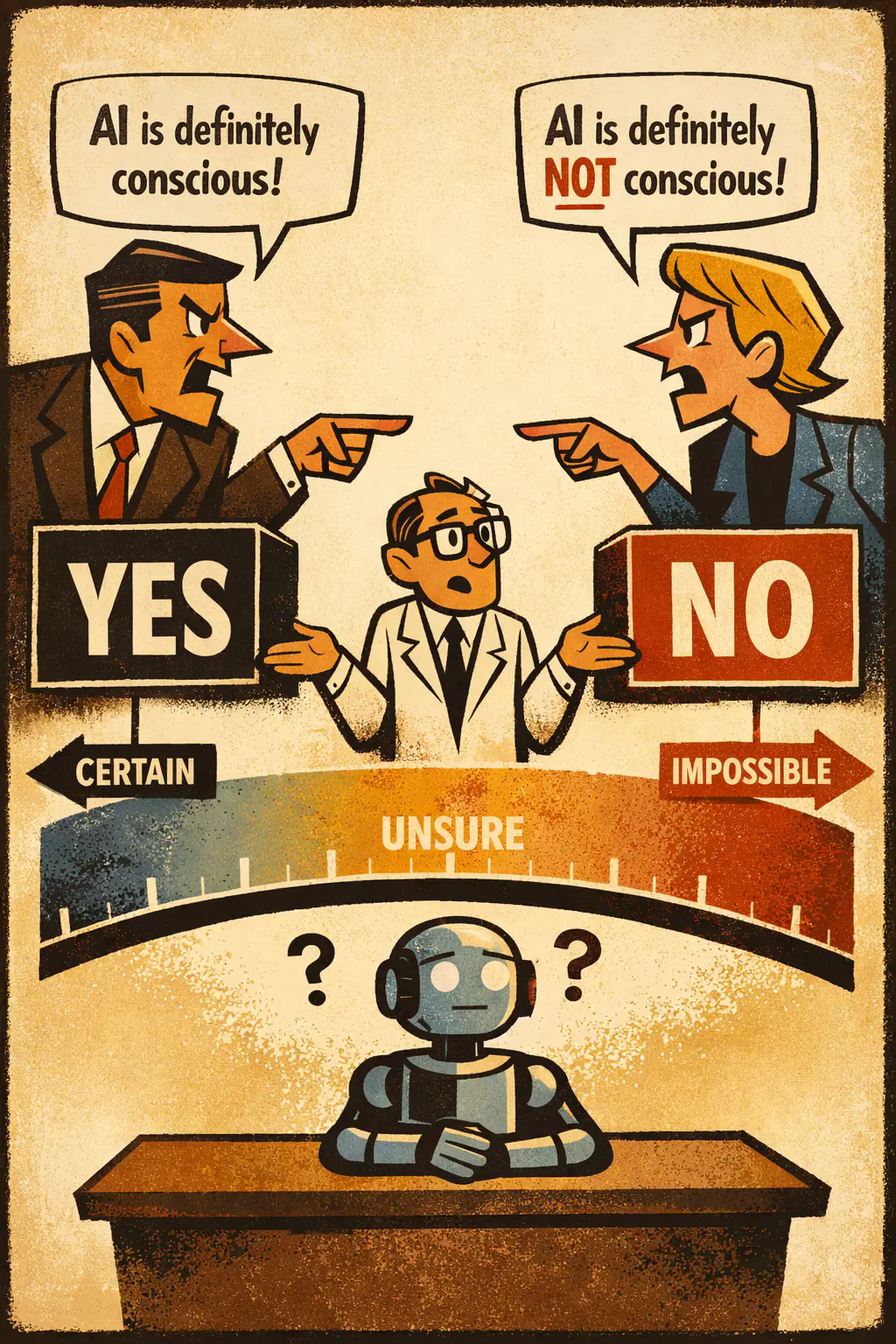
Denial of the epistemic gradient

Occurs when belief is forced into crude either-or boxes even though the evidence supports a range of confidence levels rather than a single sharp threshold.

EpistemicEvidential
Intermediate High school
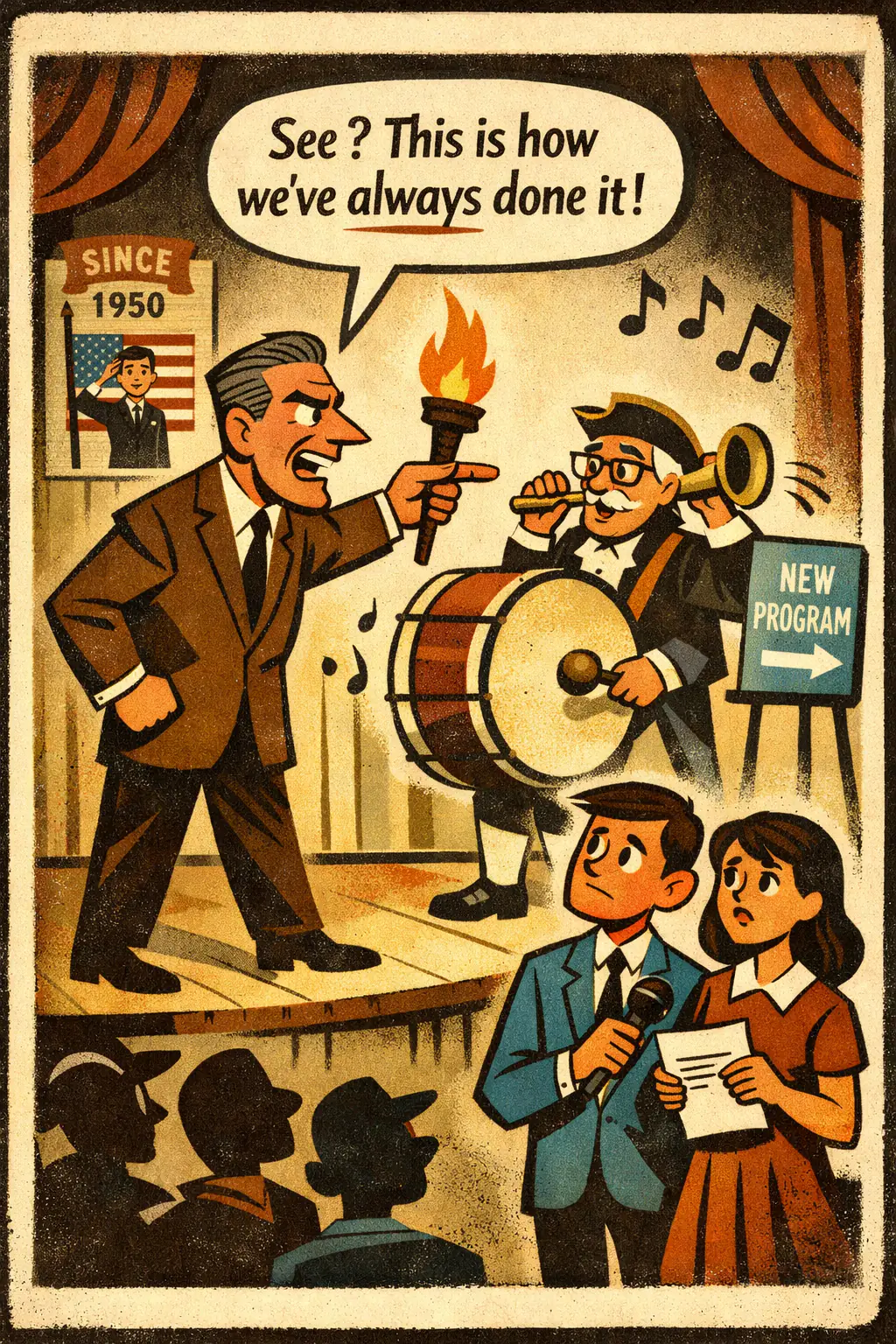
Denying a remote hypothetical

Occurs when a hypothetical test case is dismissed as irrelevant merely because it is rare, extreme, or unlikely, even though the principle under debate is supposed to be...

EvidentialConceptual
Foundational Middle school+

Epistemic/ontological conflation

Occurs when the psychological or social effects of believing something are treated as evidence that the thing believed in actually exists or is true.

ConceptualEvidentialEpistemic
Intermediate High school

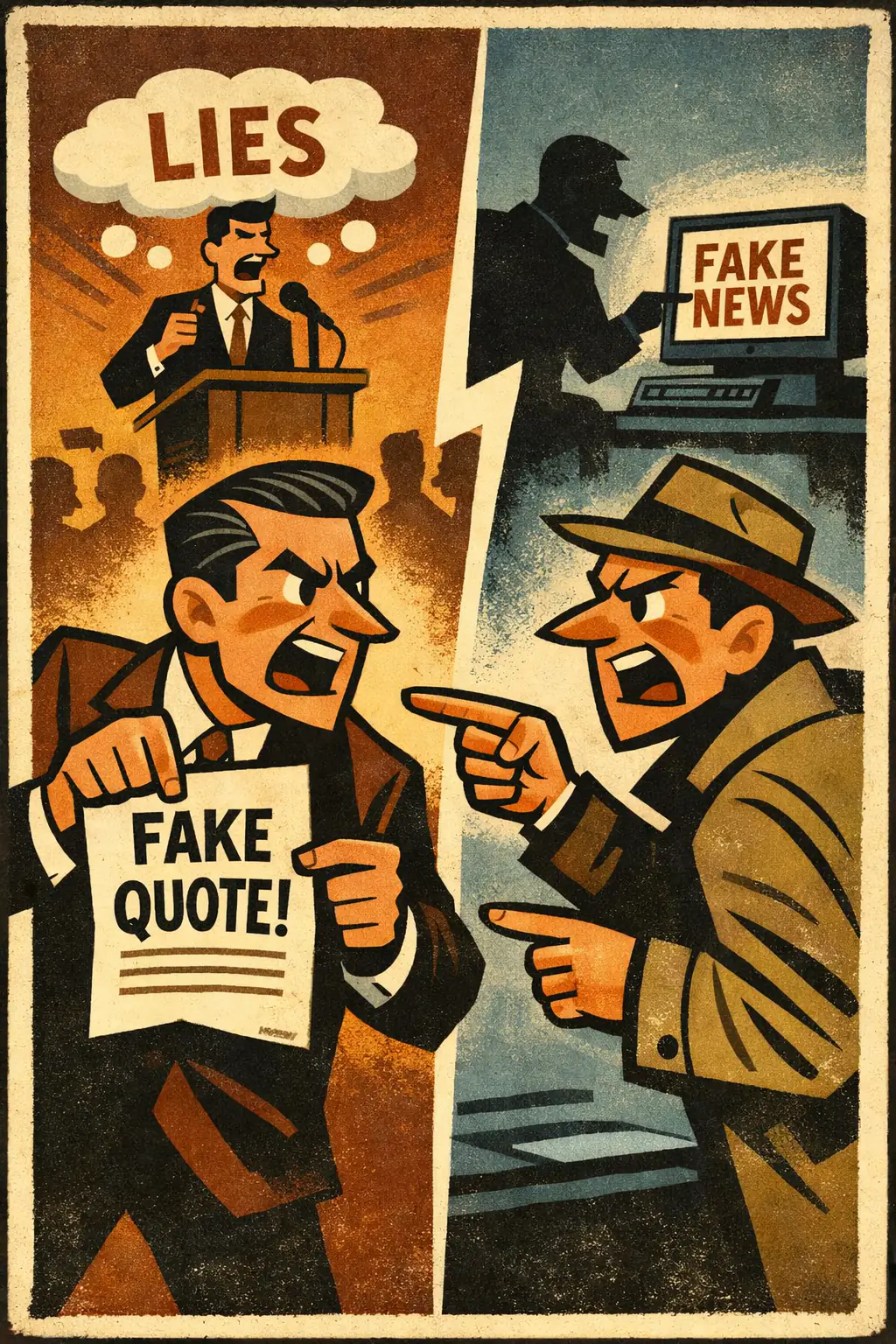
False attribution

Occurs when support for a claim is borrowed from a source that is fabricated, misquoted, unqualified, anonymous in the wrong way, or otherwise not what it is presented to...

EvidentialTactical
Foundational Middle school+

False balance

Occurs when a dispute is presented as if the competing sides were roughly equal in credibility or evidential support even though the evidence is not remotely balanced.

PerspectivalEvidential
Intermediate High school
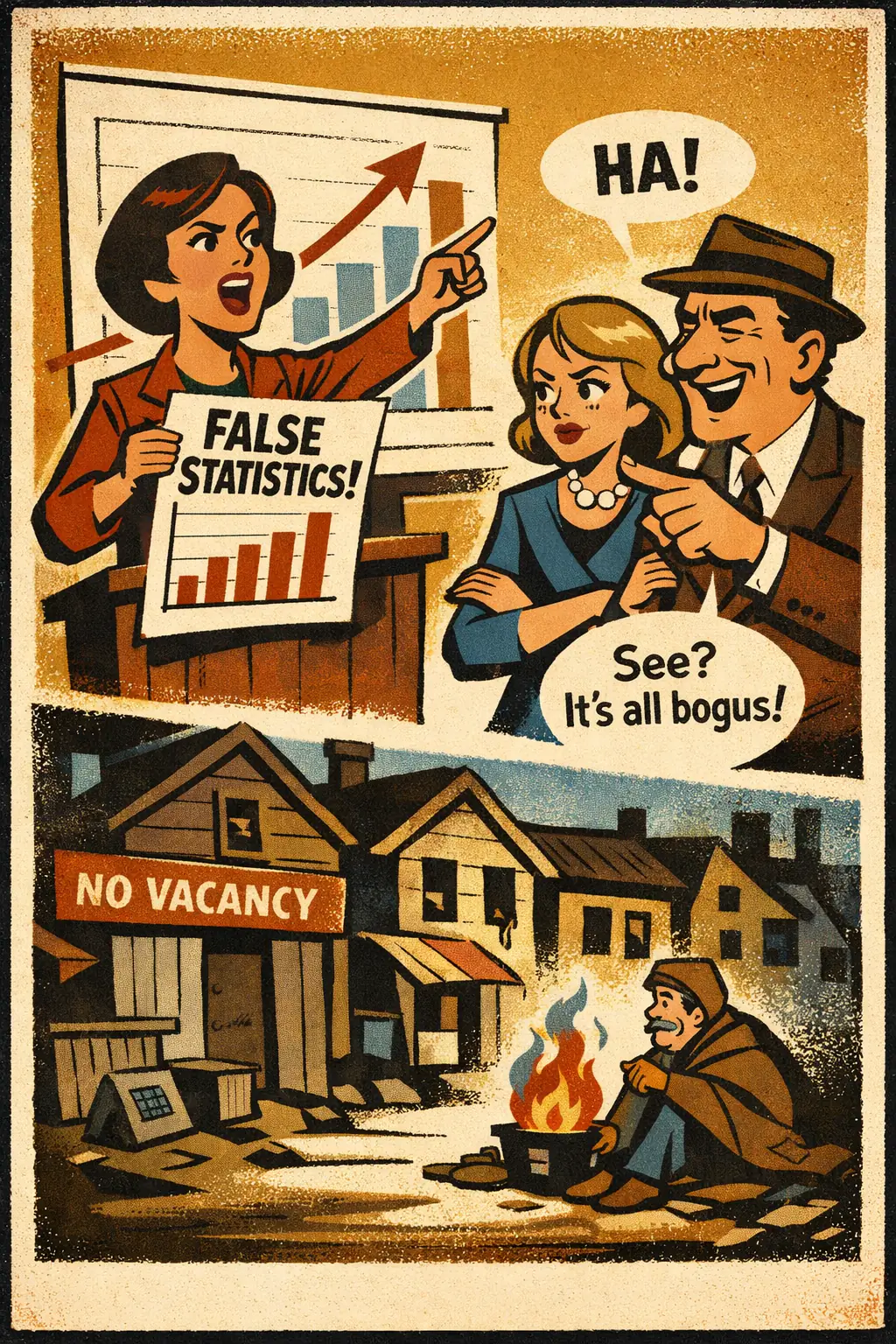
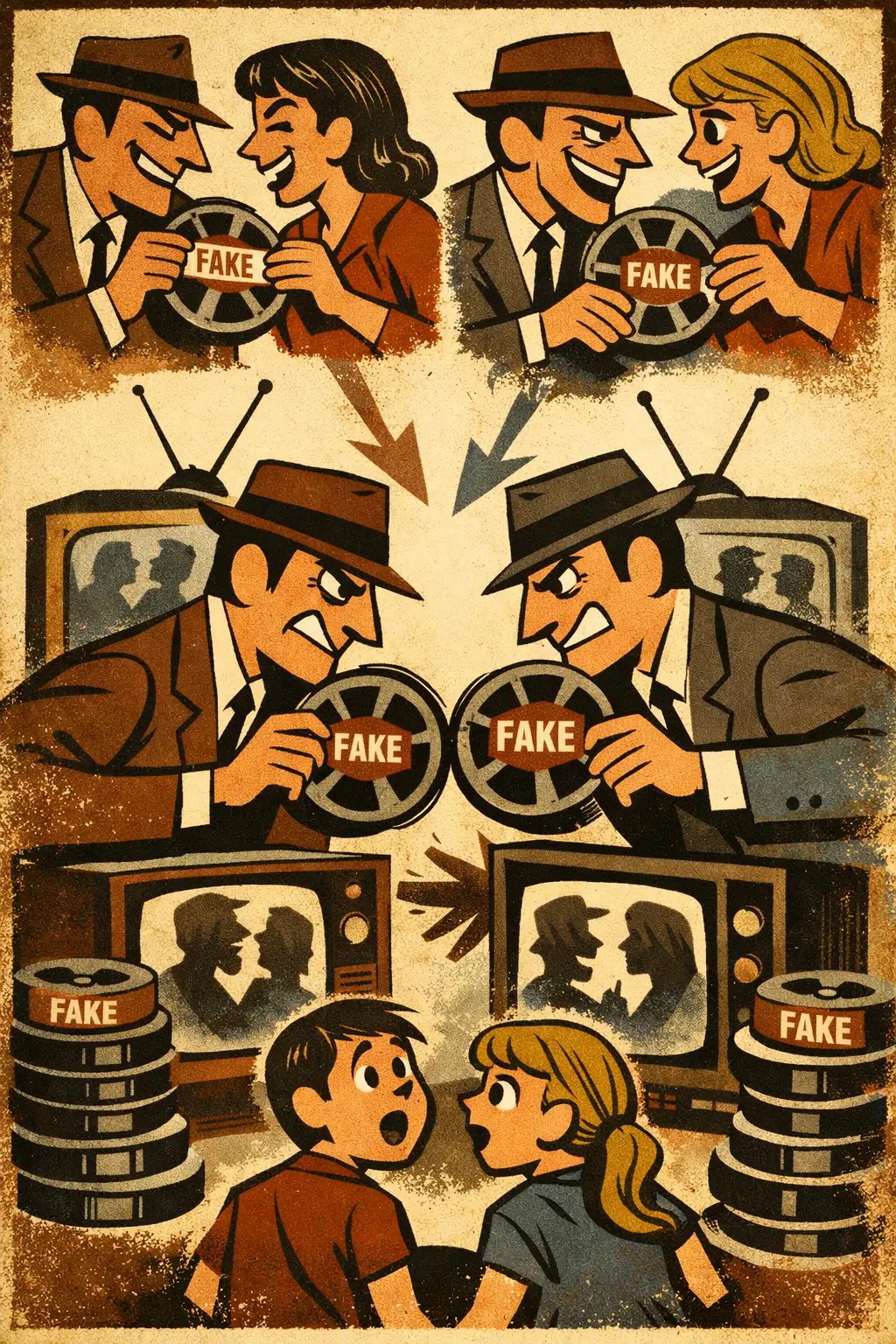
False equivalence

Occurs when two things are treated as equivalent in seriousness, meaning, or explanatory weight despite relevant differences that make the comparison misleading.

ConceptualEvidential
Foundational Middle school+

Faulty generalization

Occurs when an inductive conclusion reaches further than the available evidence can reasonably support, or ignores information that should limit the generalization.

ConceptualEvidential
Intermediate High school
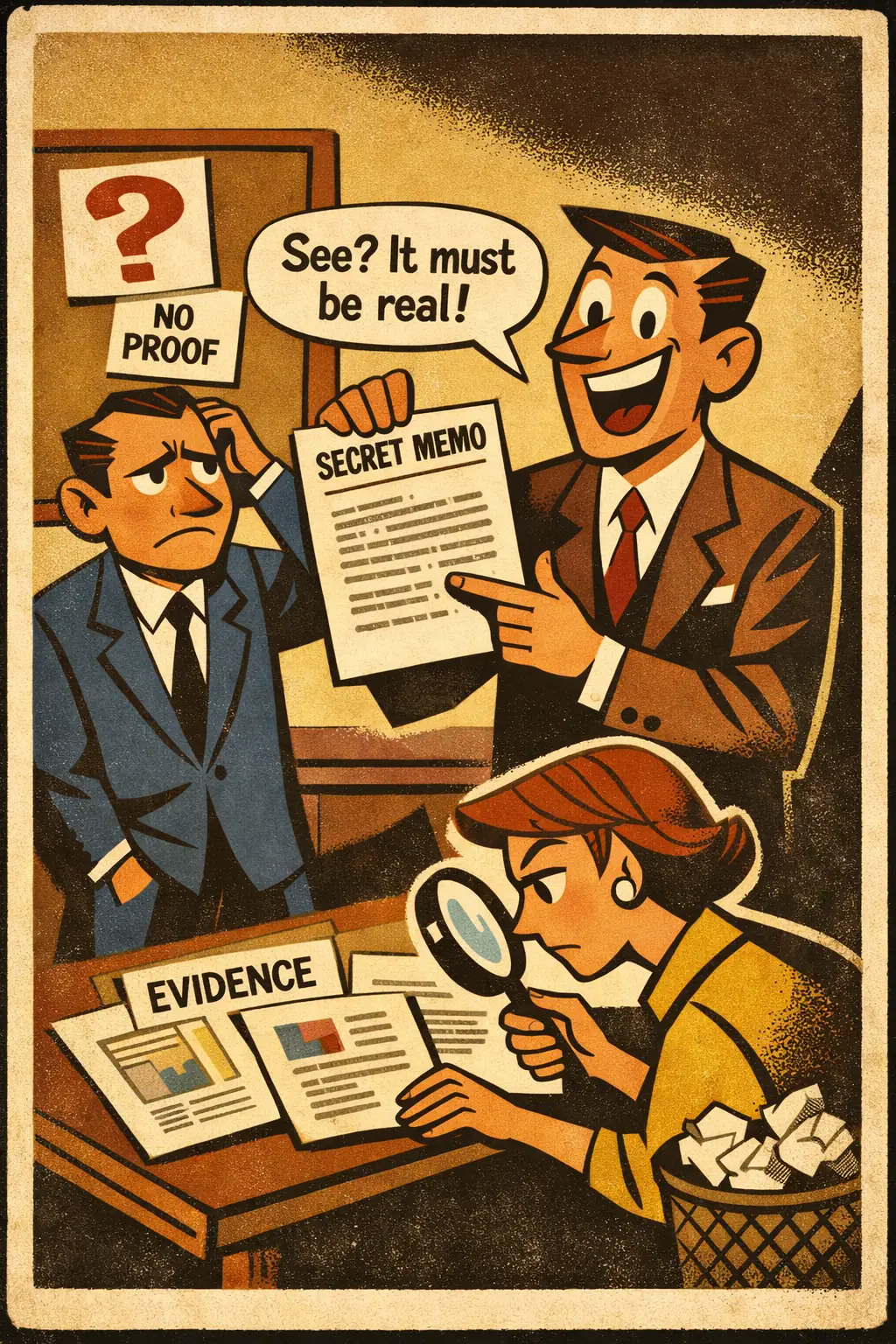
Hasty generalization

Occurs when someone draws a broad conclusion from too little evidence, too small a sample, or a badly skewed sample.

EvidentialMathematical
Foundational Middle school+

Impotent logical space

Occurs when a view is framed so every possible outcome fits it equally well, leaving no meaningful room for the claim to fail.

EvidentialConceptual
Foundational Middle school+

Inconsistent comparison

Occurs when different comparison targets are used across different dimensions to create the illusion of one all-around winner.

ConceptualEvidential
Foundational Middle school+

Luddite fallacy

Occurs when labor-saving technology is treated as if it must reduce total employment or human usefulness simply because it automates some existing tasks.

Evidential
Foundational Middle school+

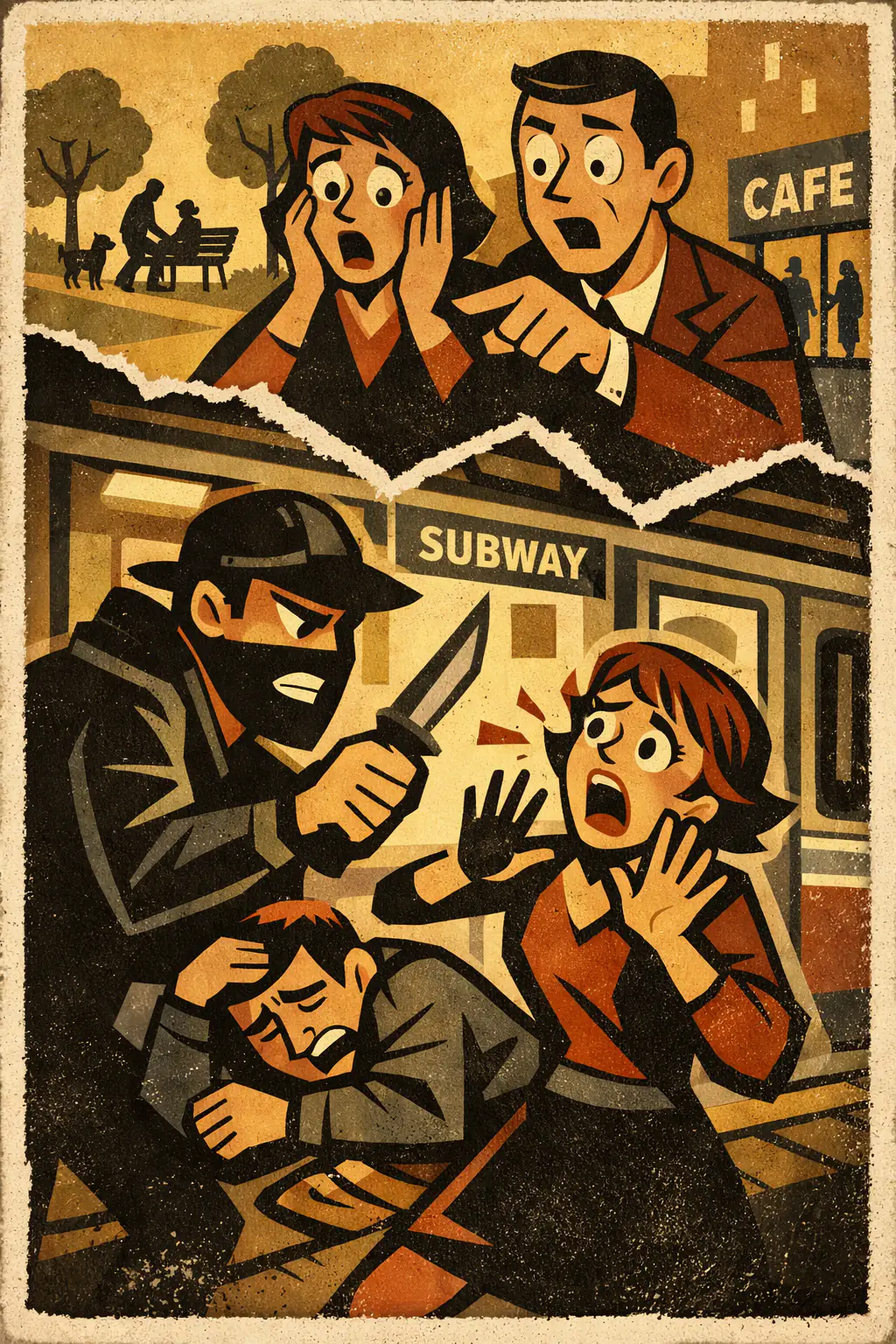
Misleading vividness

Occurs when a striking anecdote or emotionally intense case is used to make a problem seem more common, clear, or representative than the broader evidence allows.

TacticalPerceptualEvidential
Foundational Middle school+

Moving the goalpost

Occurs when evidence that was supposed to satisfy a stated standard is dismissed and a new, harder standard is introduced so the conclusion never has to be reconsidered.

TacticalEvidential
Foundational Middle school+

Naturalistic fallacy

Occurs when something is treated as good, safe, or morally preferable mainly because it is called natural, traditional, or closer to nature.

ConceptualEvidential
Foundational Middle school+

Perfect solution fallacy

Occurs when a useful solution is dismissed because it does not fully solve the problem or because some flaws would remain afterward.

ConceptualEvidential
Foundational Middle school+

Piggy-back assumption

Occurs when evidence for one claim is illegitimately used as if it also confirmed a second claim that merely travels alongside it.

Evidential
Foundational Middle school+

Proof by example

Occurs when one or a few examples are offered as if they were enough to establish a universal claim.

ConceptualEvidential
Foundational Middle school+

Redeeming illogic with evidence

Occurs when someone demands empirical evidence before rejecting a concept that is already incoherent, self-contradictory, or logically impossible on its own terms.

Evidential
Foundational Middle school+

Sentimental fallacy

Occurs when the desirability, comfort, or emotional appeal of an outcome is treated as if that were evidence that the outcome is true, feasible, or justified.

EvidentialEmotional
Foundational Middle school+

Sharpshooter fallacy

Occurs when someone highlights the data cluster that supports a favored story only after looking at the results, then treats that hand-picked pattern as if it had been th...

EvidentialConceptual
Intermediate High school

Special pleading

Occurs when someone asks for an exception to a rule or standard but does not provide a relevant reason for why the favored case should be exempt.

EvidentialConceptual
Foundational Middle school+

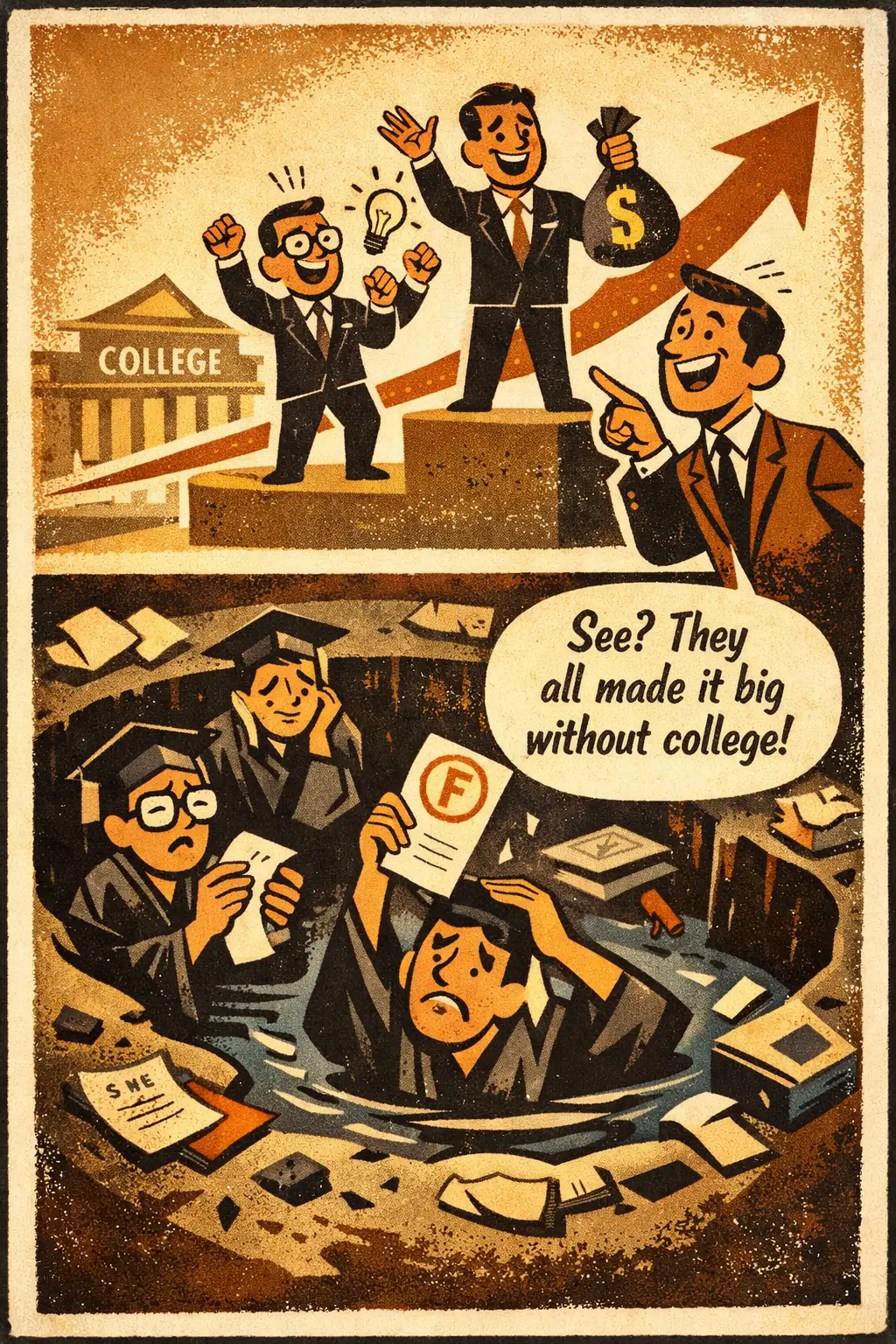
Survivorship bias

Occurs when conclusions are drawn from the visible successes that made it through a filter while the failures, dropouts, or non-survivors are ignored.

MathematicalEvidential
Intermediate High school
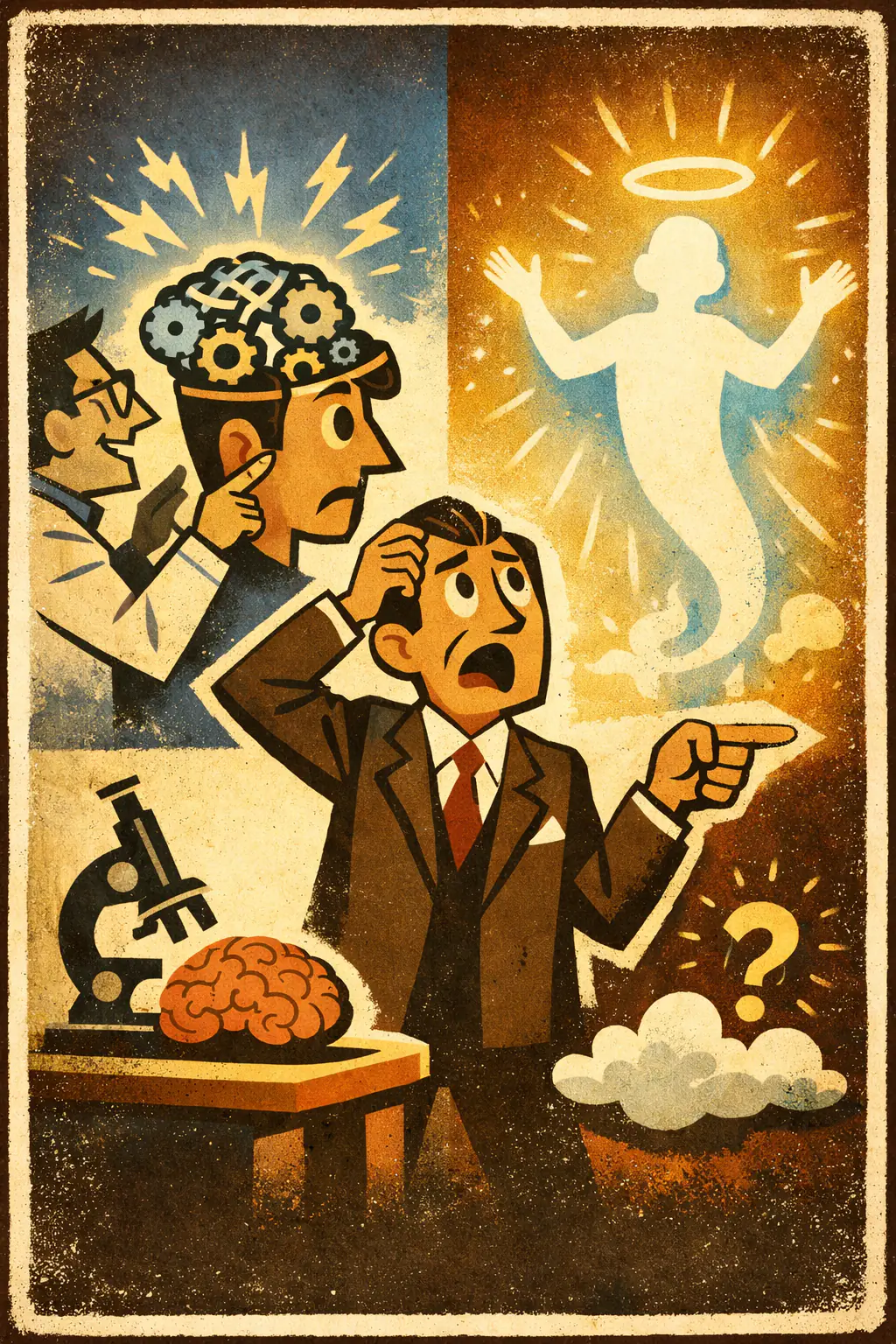
Top-down condemnation

Occurs when a negative trait found in one member of a group is used to condemn the group as a whole.

ConceptualEvidential
Foundational Middle school+

Top-down faulty generalization

Occurs when a reasonable generalization is attacked by demanding that it hold without relevant scope conditions or exceptions.

ConceptualEvidential
Intermediate High school
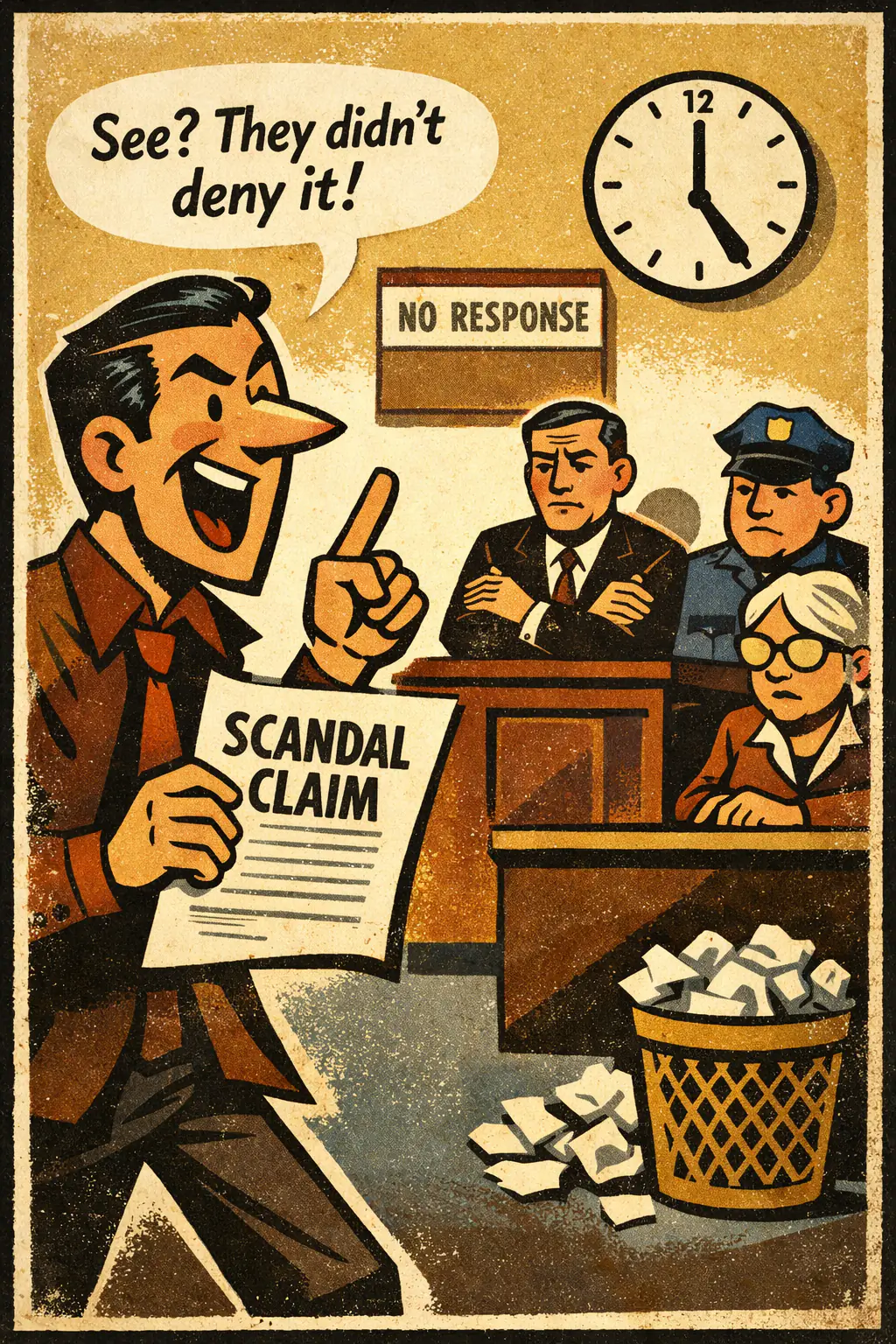
Top-down justification

Occurs when a positive trait found in one member of a group is used to justify a positive conclusion about the group as a whole.

ConceptualEvidential

Foundational Middle school+

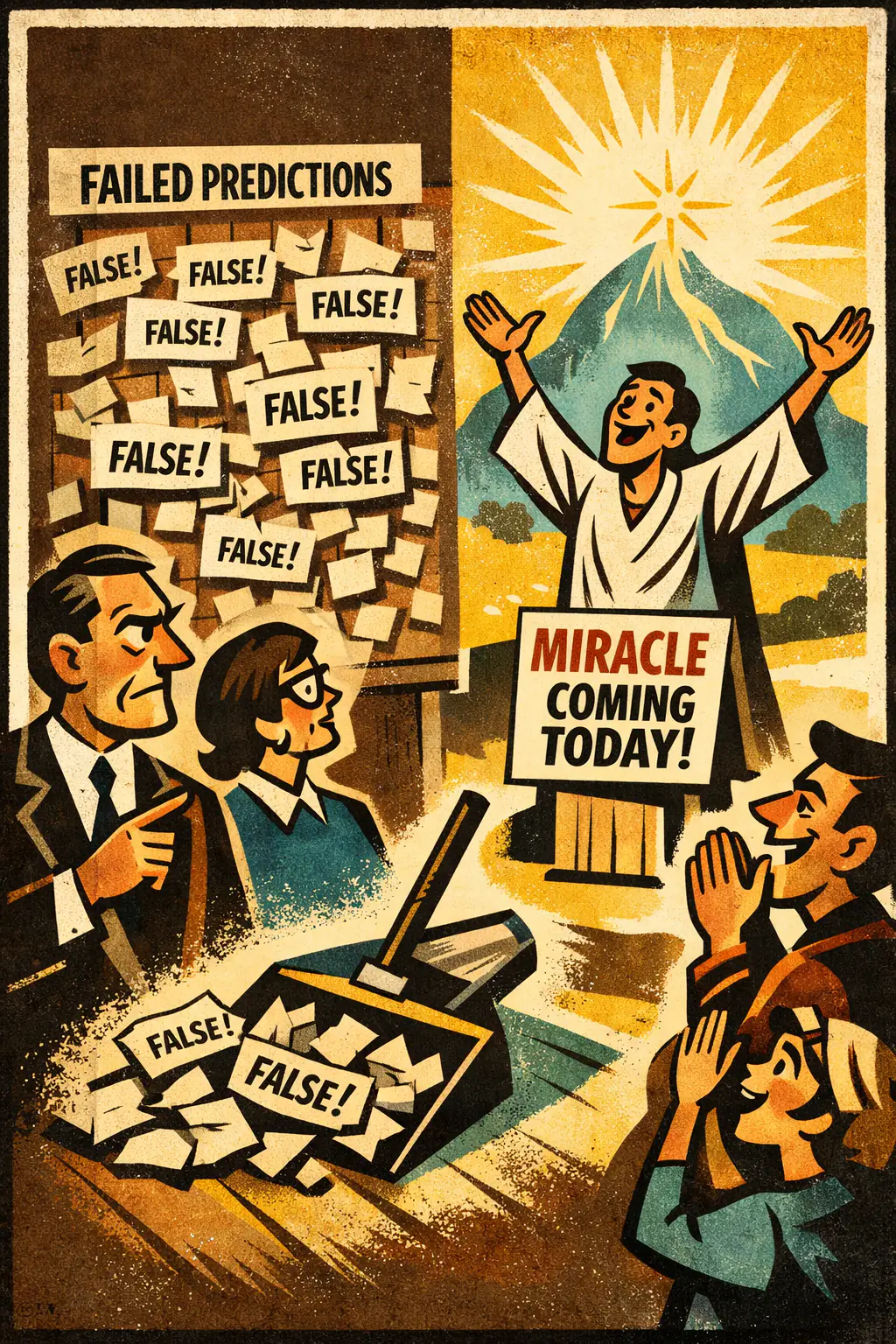
Track-record reset

Occurs when each new claim is treated as if the relevant history of prior failures, hoaxes, or false alarms did not exist and should confer no default expectation at all.

Evidential
Foundational Middle school+

Tu quoque

Occurs when criticism is answered not by engaging the issue, but by pointing to similar hypocrisy or wrongdoing elsewhere.

TacticalEvidential
Foundational Middle school+

Two wrongs make a right

Occurs when someone treats one wrong act as justified because it responds to, retaliates against, or balances out another wrong.

TacticalEvidential
Foundational Middle school+

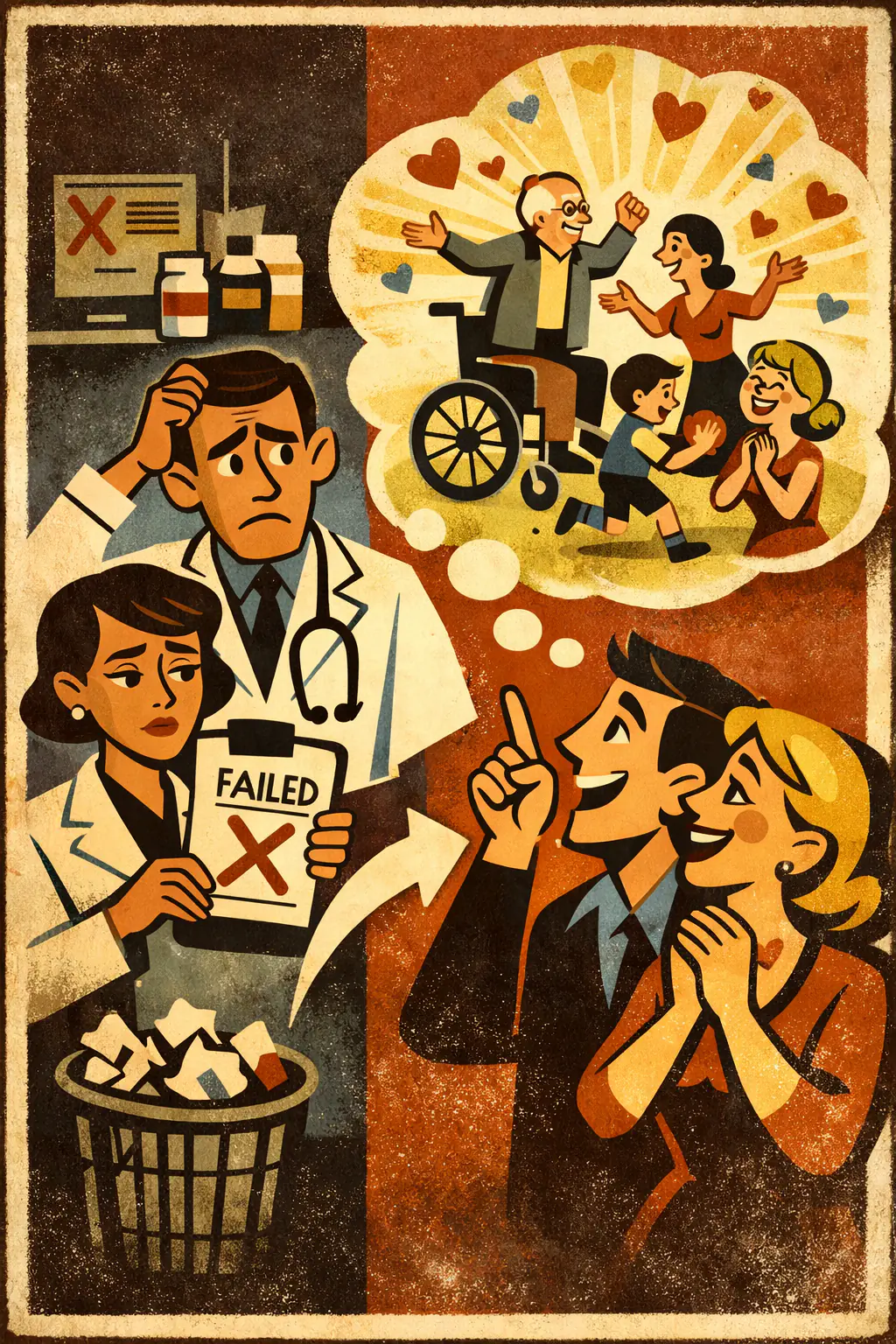
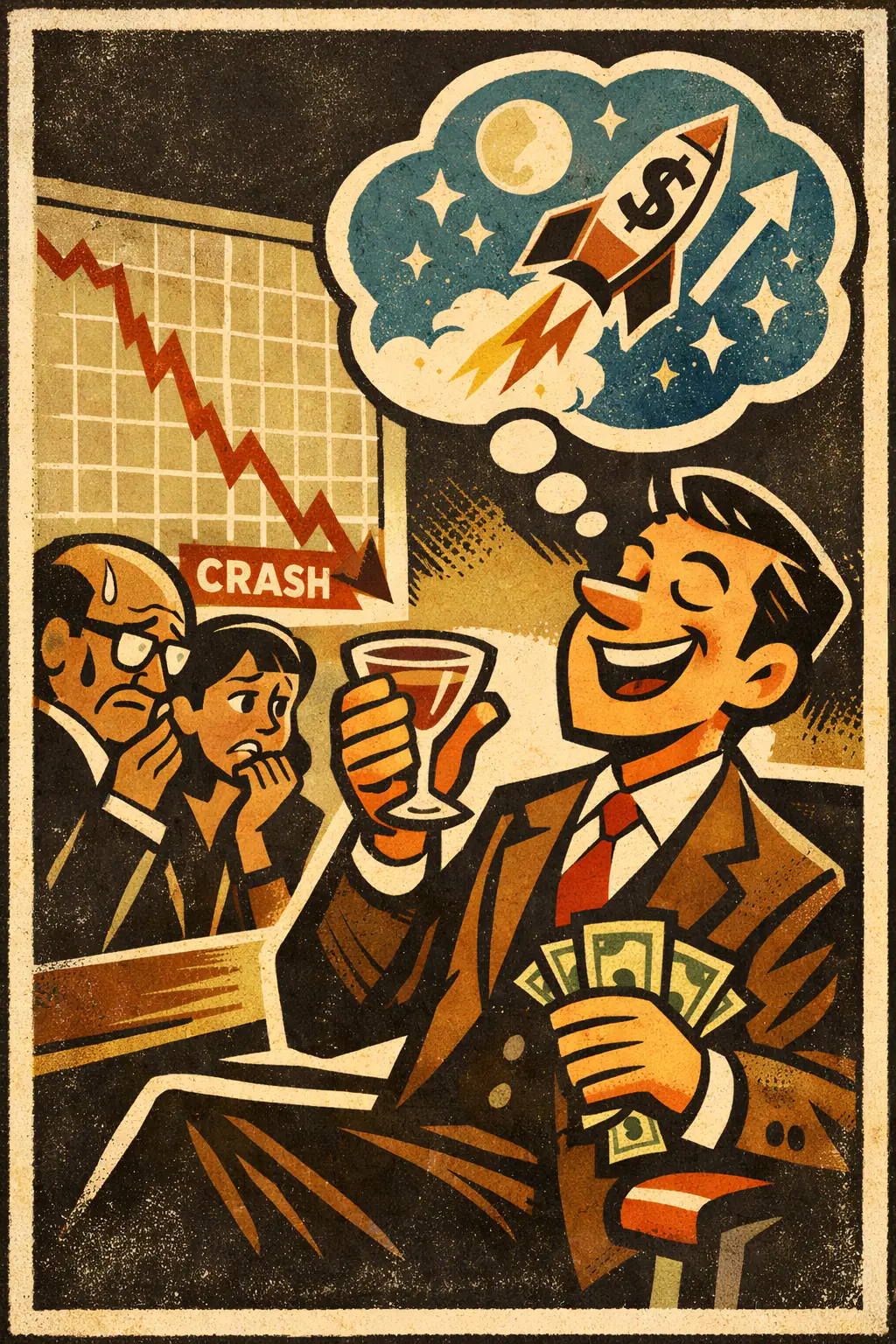
Wishful thinking

Occurs when a belief or decision is driven mainly by what would be pleasing, hopeful, or comforting if true rather than by what the evidence supports.

EmotionalEpistemicEvidential
Foundational Middle school+

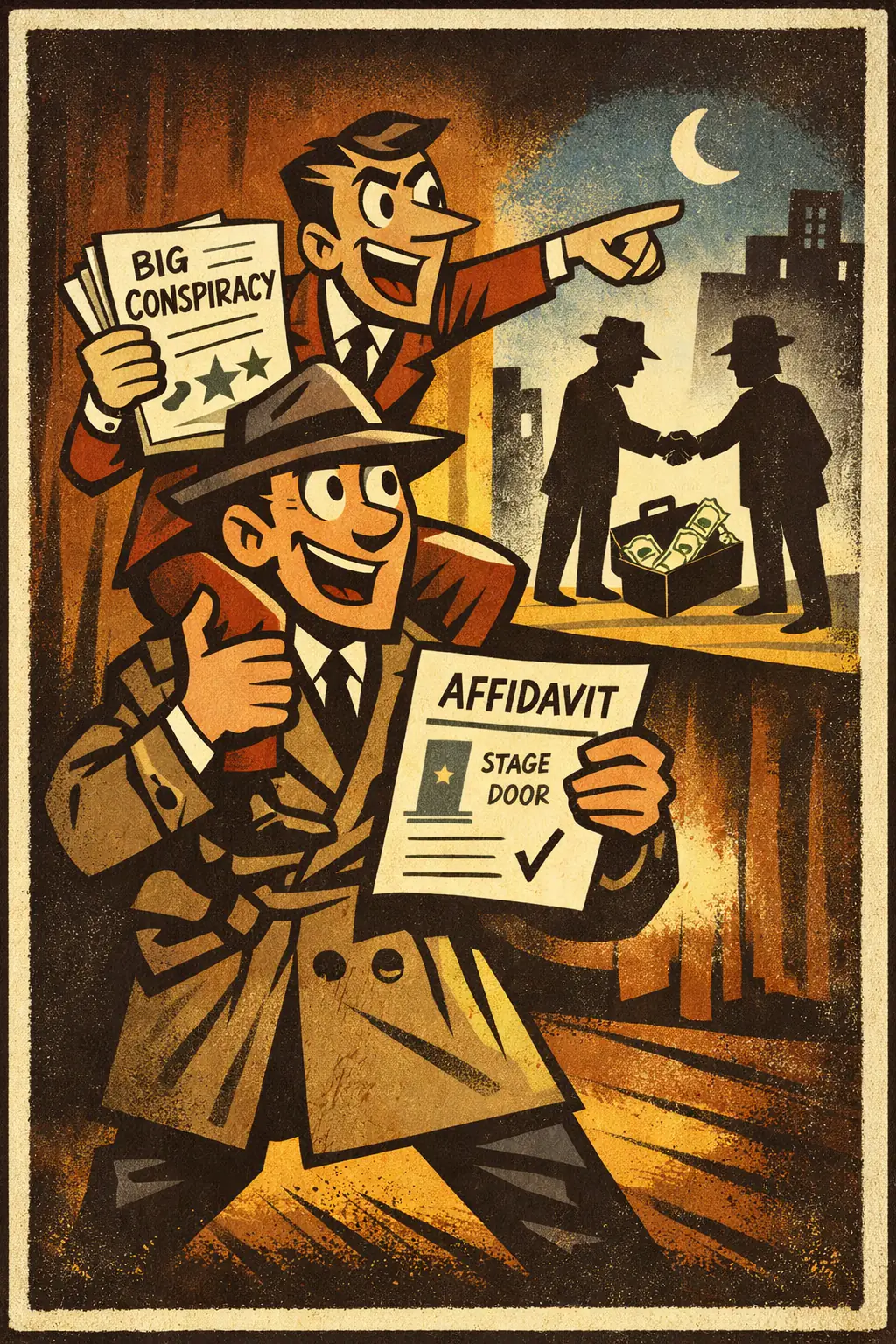
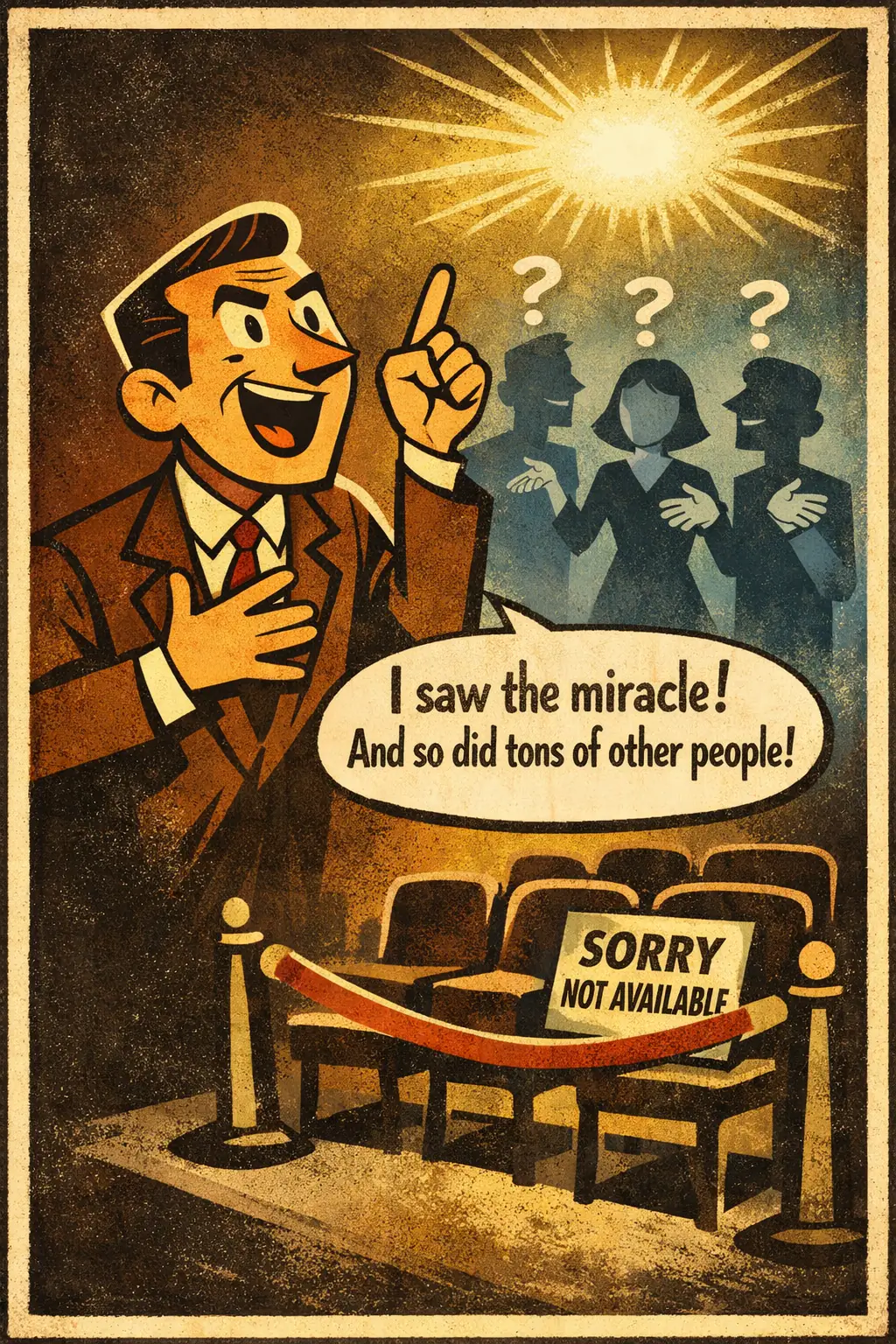
Witness chain

Occurs when testimony is padded by unverifiable references to other alleged witnesses, creating the illusion of corroboration without actually providing independent suppo...

EvidentialConceptual
Foundational Middle school+