All or nothing fallacy
Occurs when support for part of a view, or problems with part of a view, are treated as if they force total acceptance or total rejection of the whole package.
EpistemicEvidential
Intermediate
Intro college


Logical Fallacies
A practical logical-fallacies reference with clear explanations, usable examples, and teaching tools.
Category
Failures in belief management, confidence calibration, or standards for responsible belief.
10 fallacies in this category.
Is the speaker calibrating confidence to the strength of the evidence?
Examples in this category
+5 more listed below.
A category is a diagnostic lens, so a fallacy may appear in more than one category. A family is the broader umbrella that gives the fallacy its single main home.
Occurs when support for part of a view, or problems with part of a view, are treated as if they force total acceptance or total rejection of the whole package.
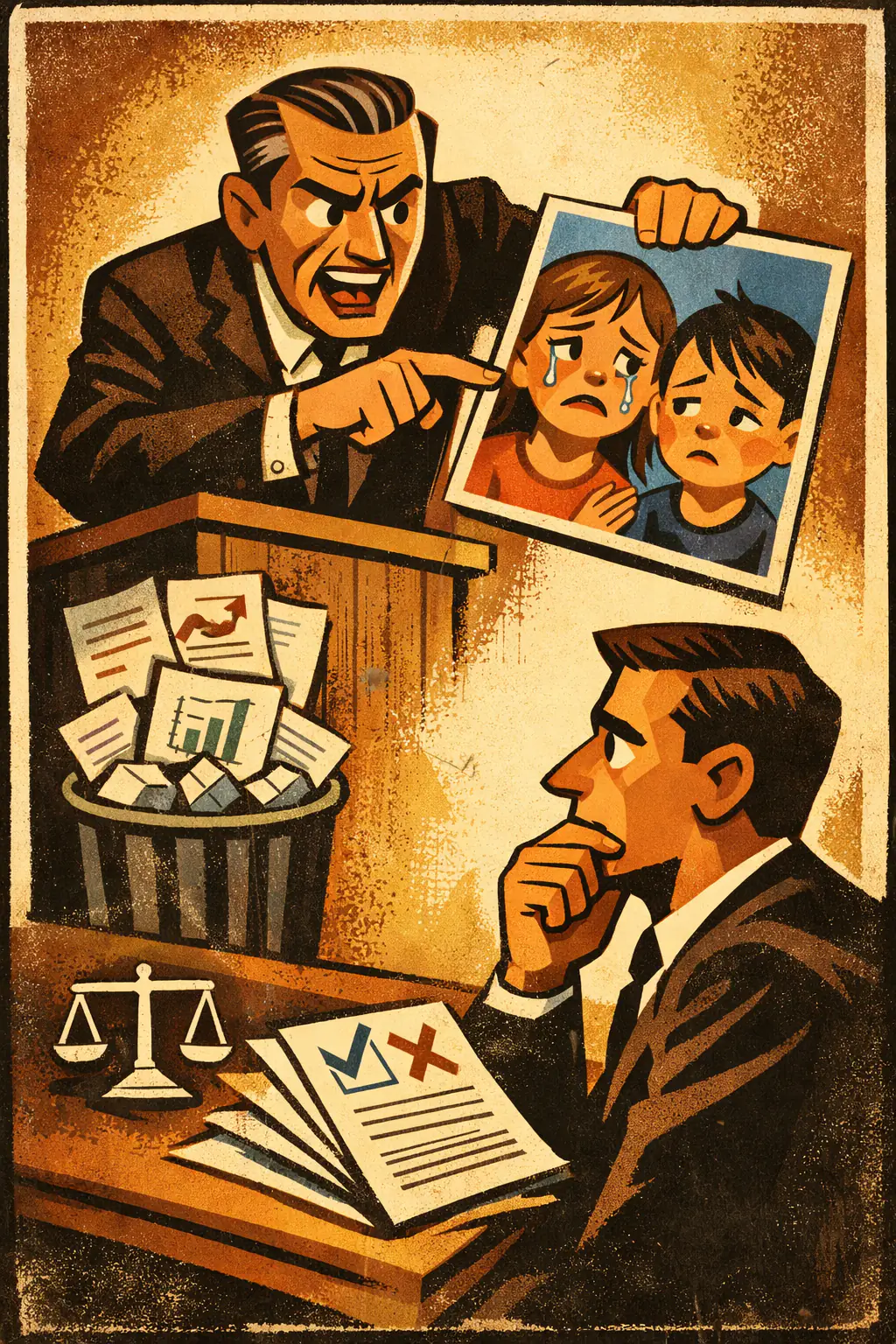
Occurs when a conclusion is pushed mainly by triggering fear, pity, outrage, pride, or hope rather than by showing that the conclusion follows from the evidence.
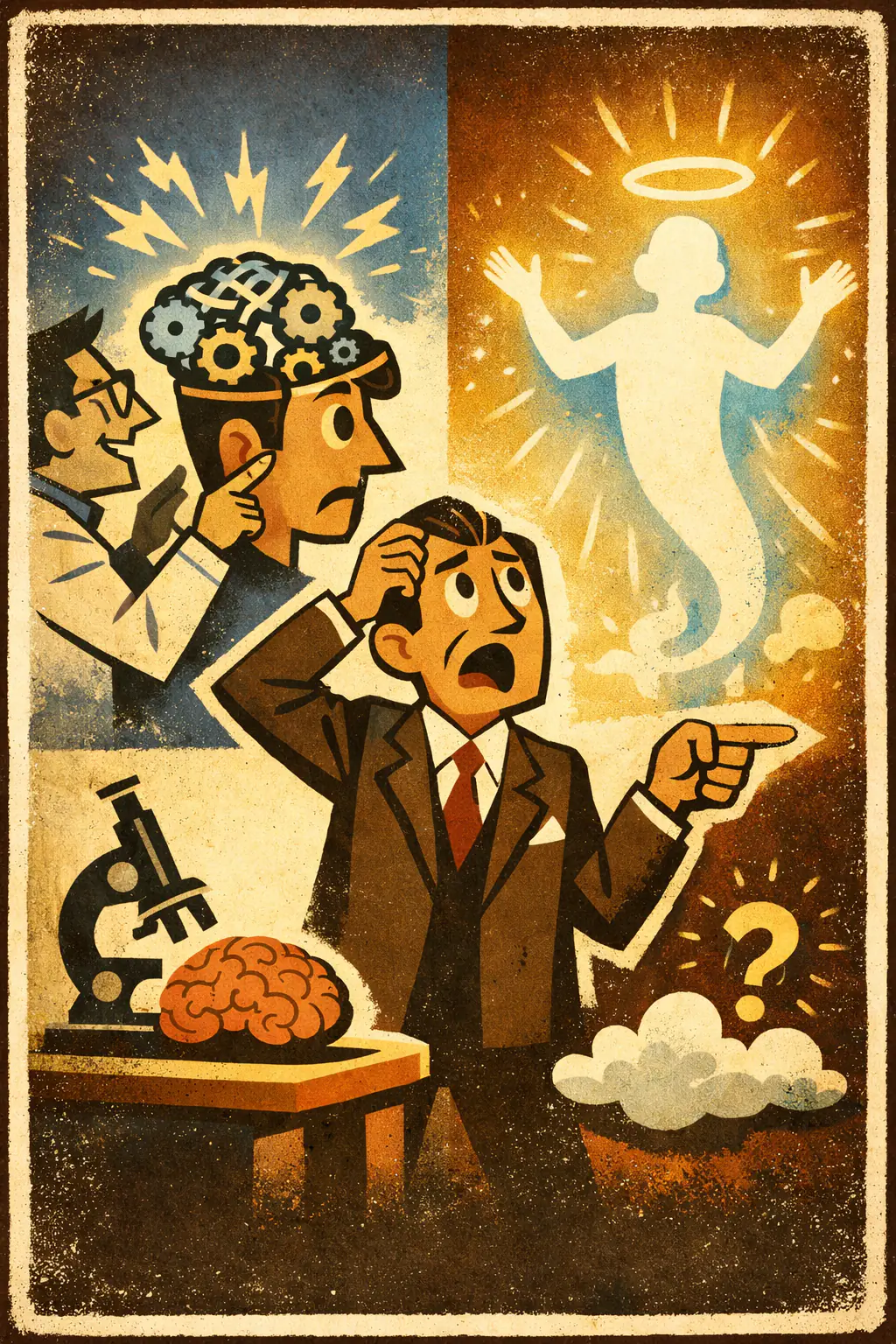
Occurs when someone treats their inability to imagine, explain, or believe a claim as evidence that the claim must be false, or conversely true.
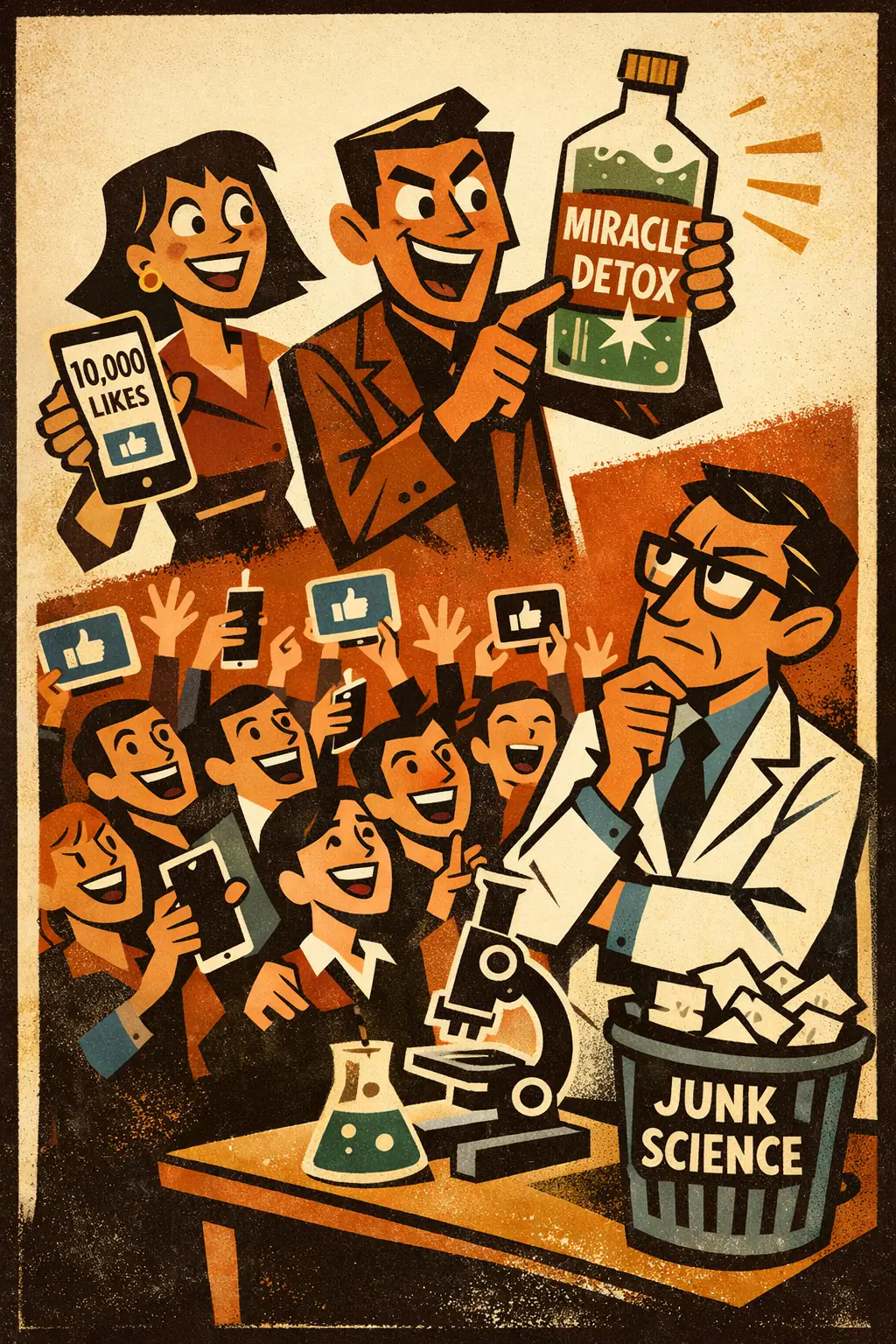
Occurs when a claim is treated as true, reasonable, or justified mainly because many people believe it, share it, or act on it.
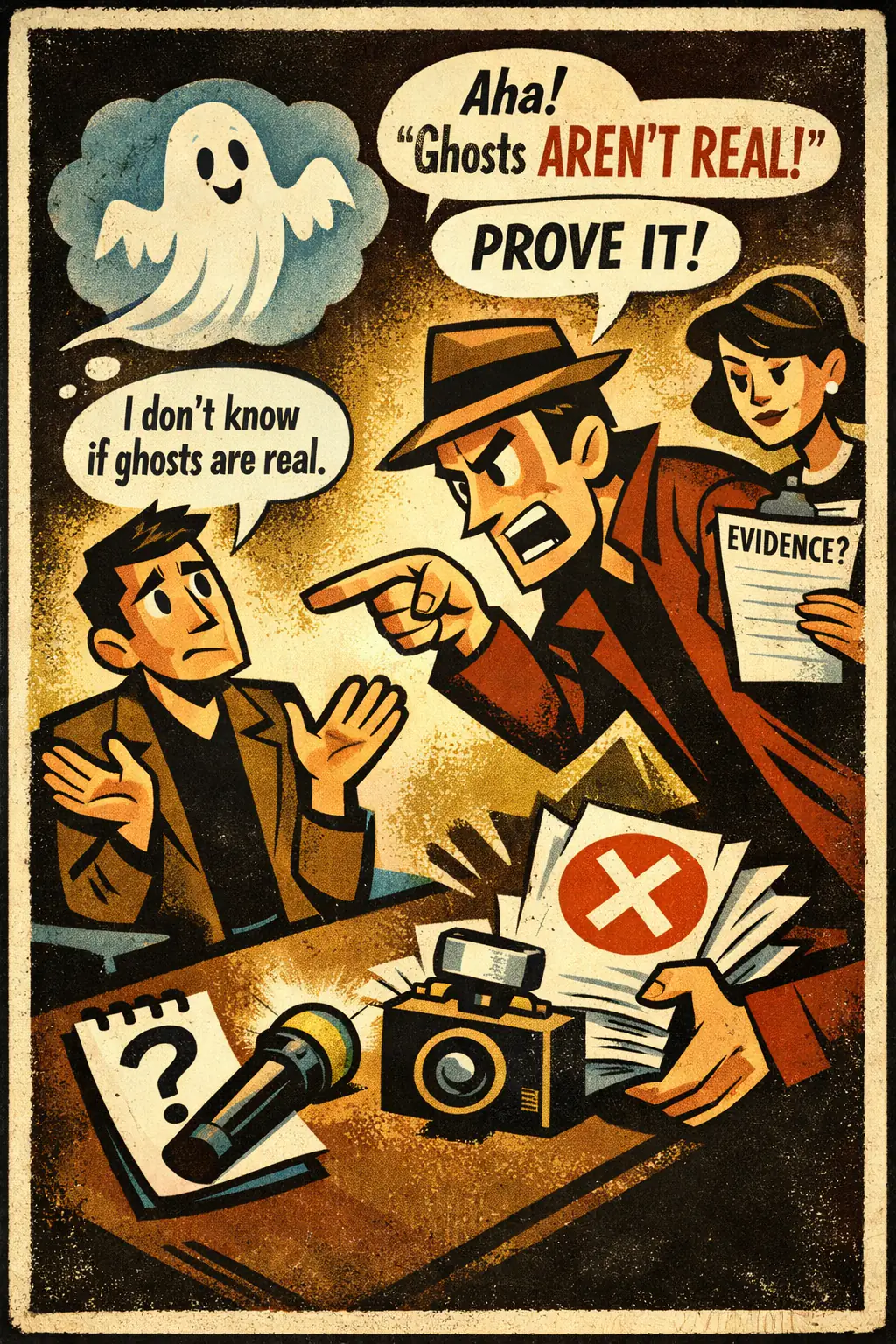
Occurs when the wording of a negative position is manipulated so that mere non-belief is treated as if it were the same thing as a strong positive denial.
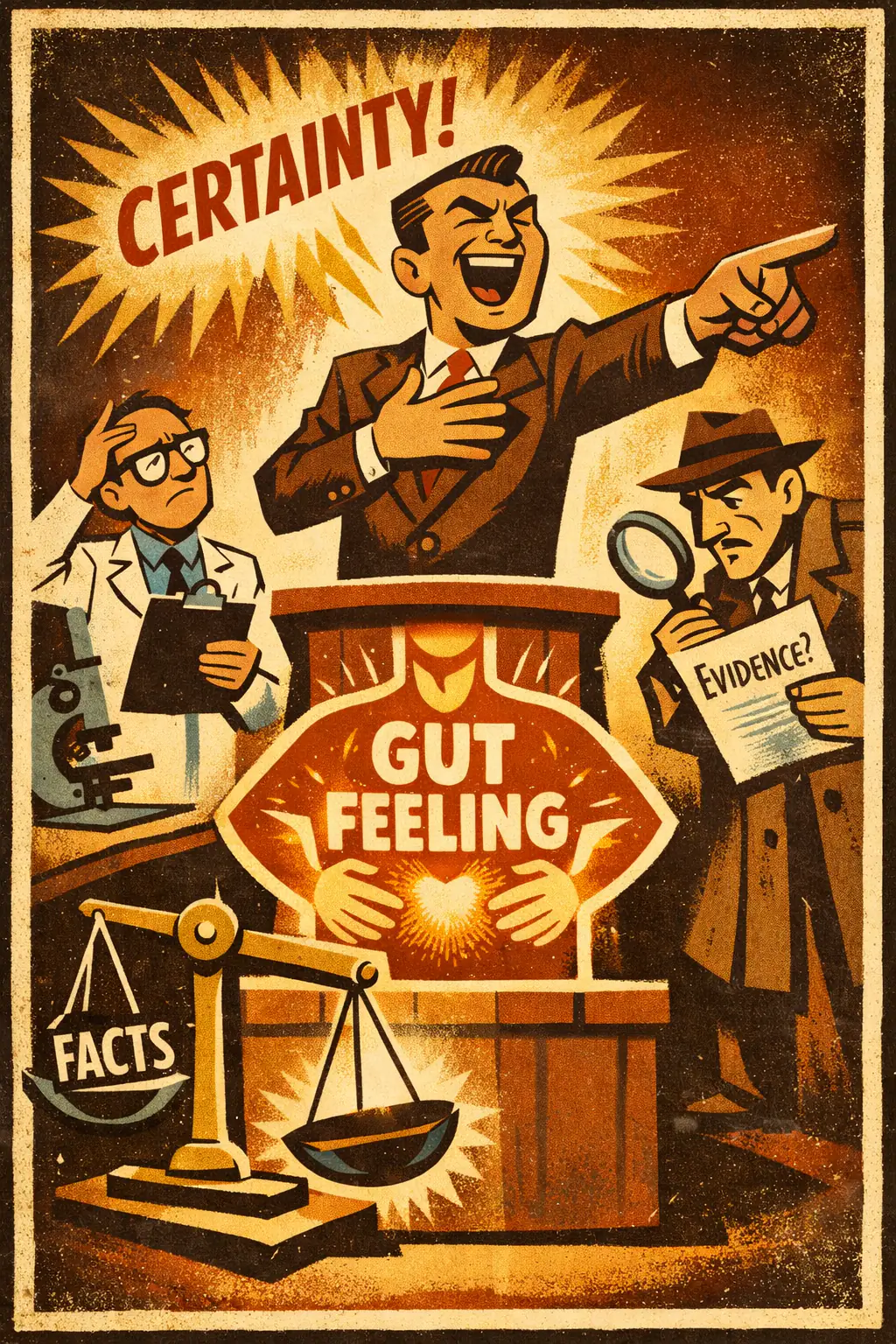
Occurs when a speaker's certainty, intensity, or felt conviction is treated as if it were evidence that the claim is true.
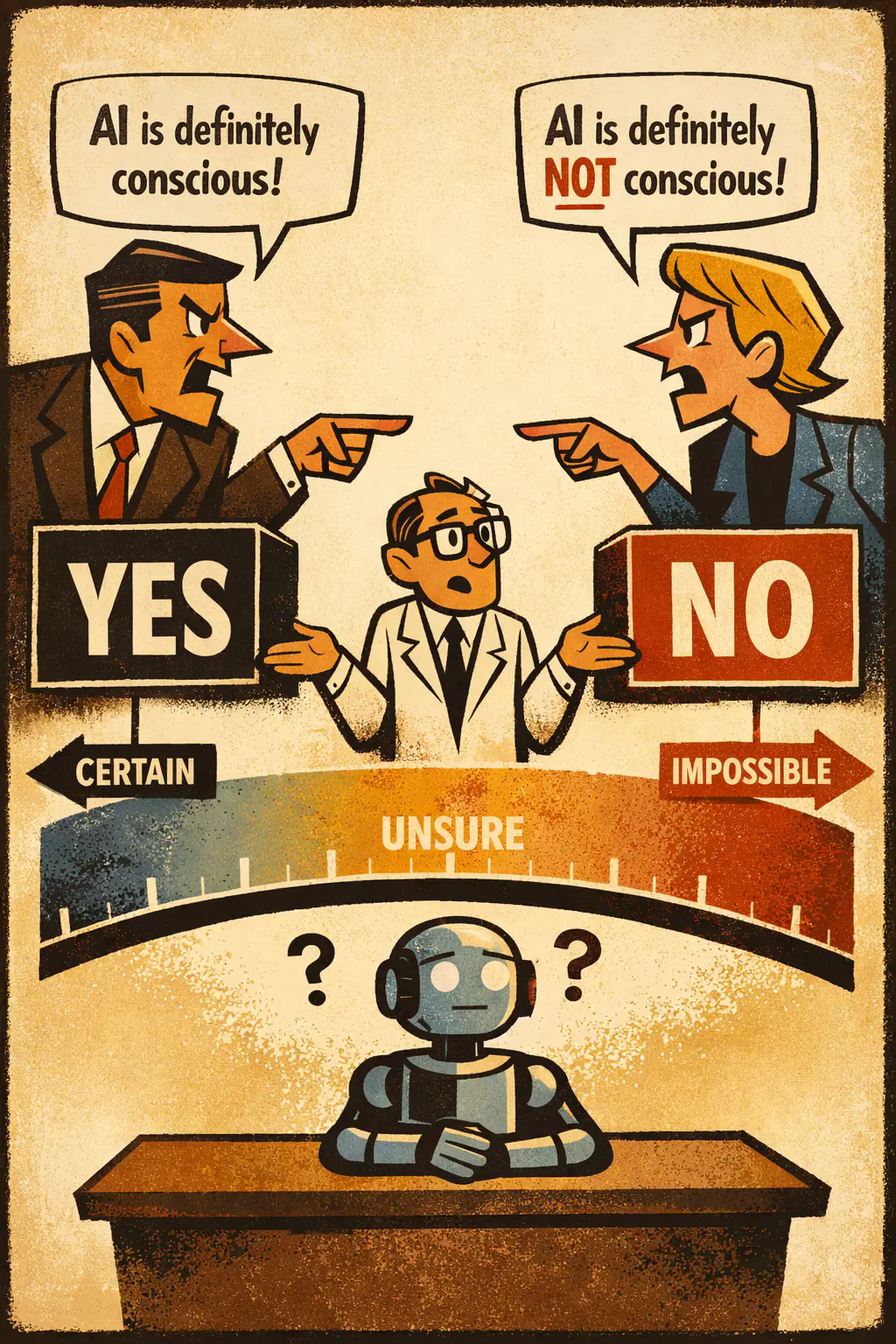
Occurs when belief is forced into crude either-or boxes even though the evidence supports a range of confidence levels rather than a single sharp threshold.
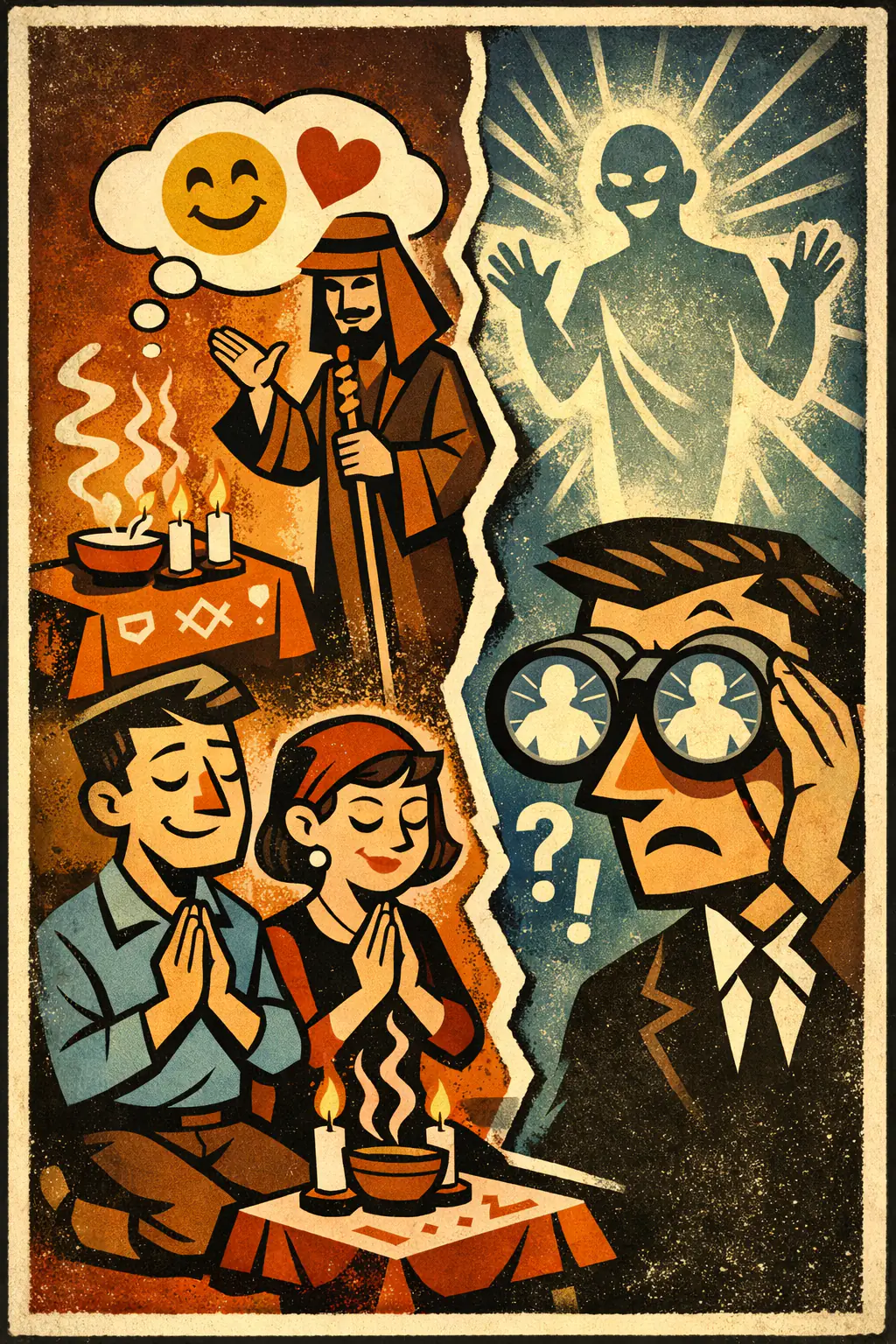
Occurs when the psychological or social effects of believing something are treated as evidence that the thing believed in actually exists or is true.
Occurs when a hypothetical premise is rejected simply because the speaker does not actually believe it.
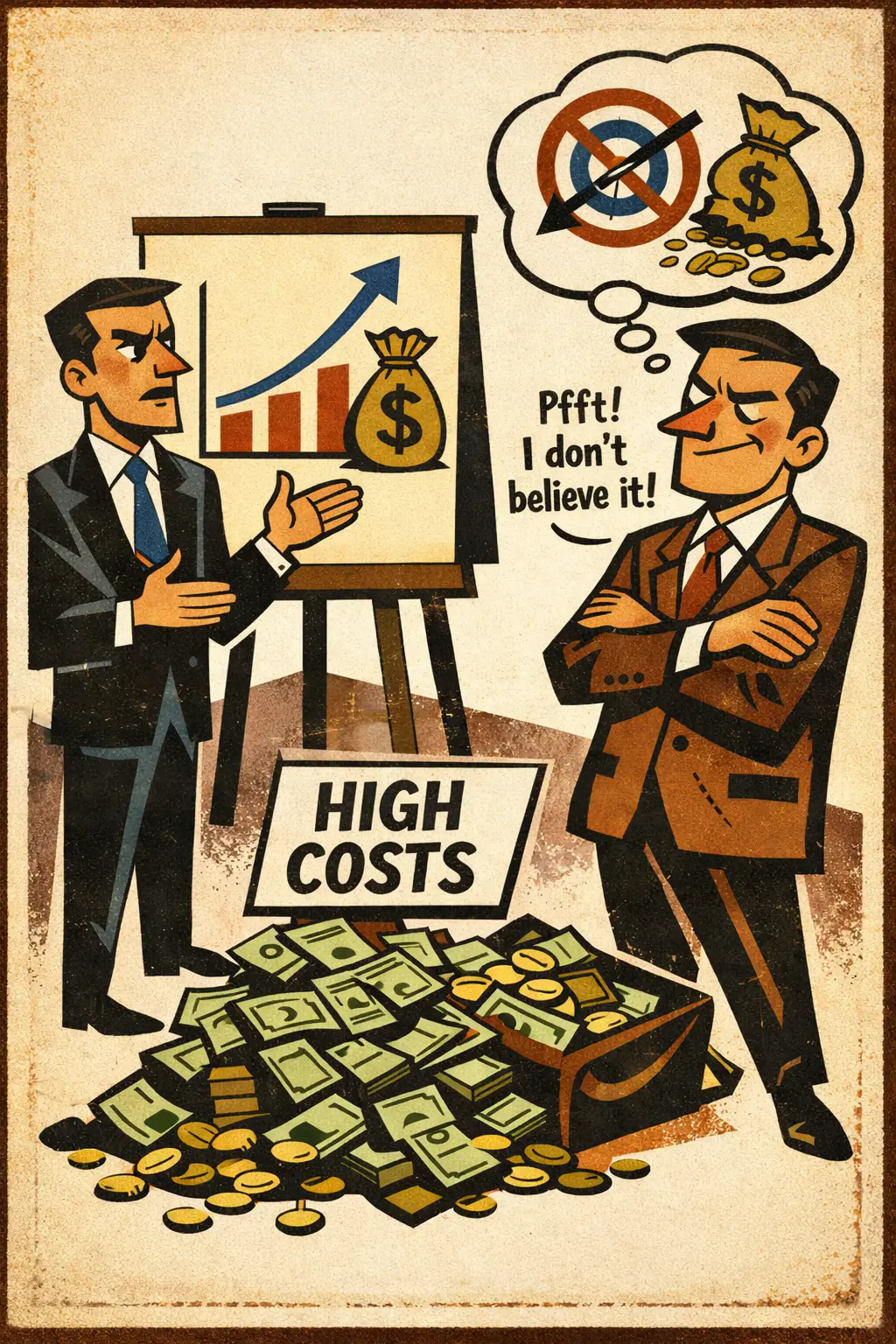
Occurs when a belief or decision is driven mainly by what would be pleasing, hopeful, or comforting if true rather than by what the evidence supports.